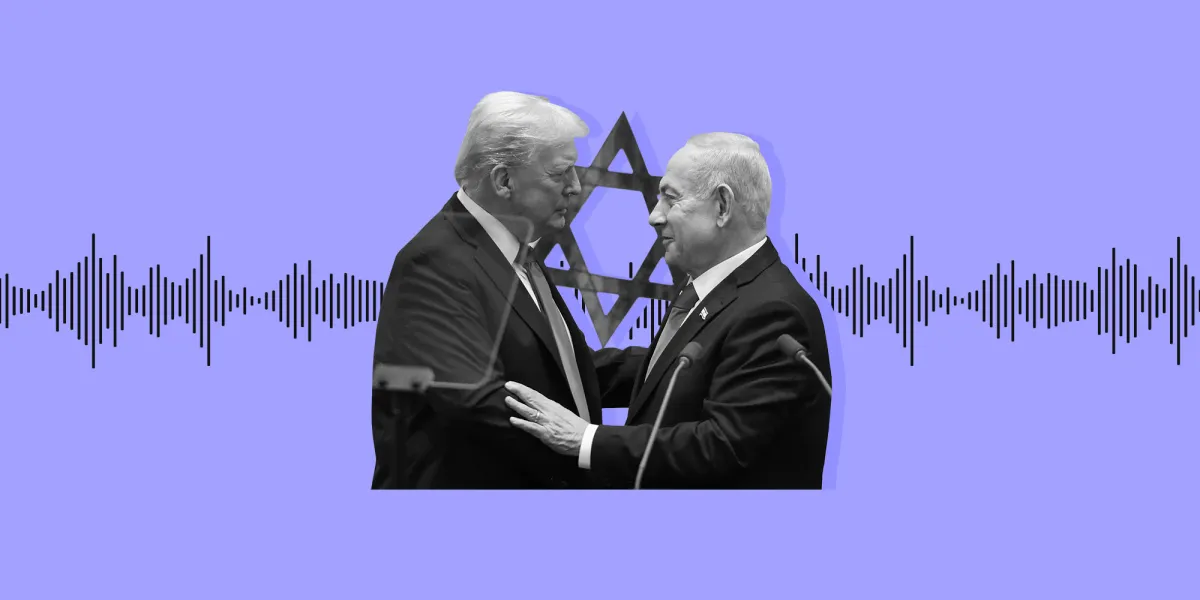
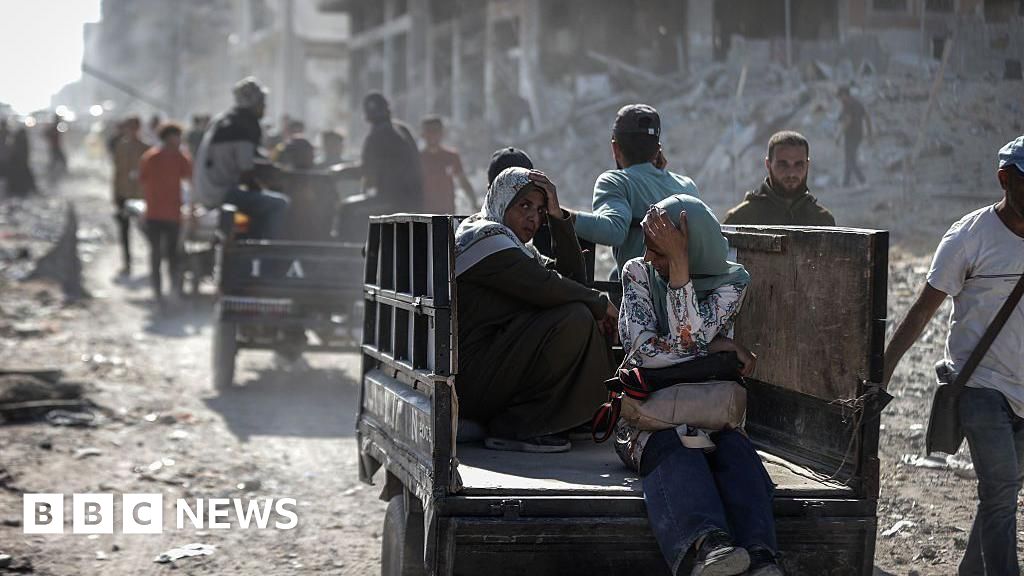
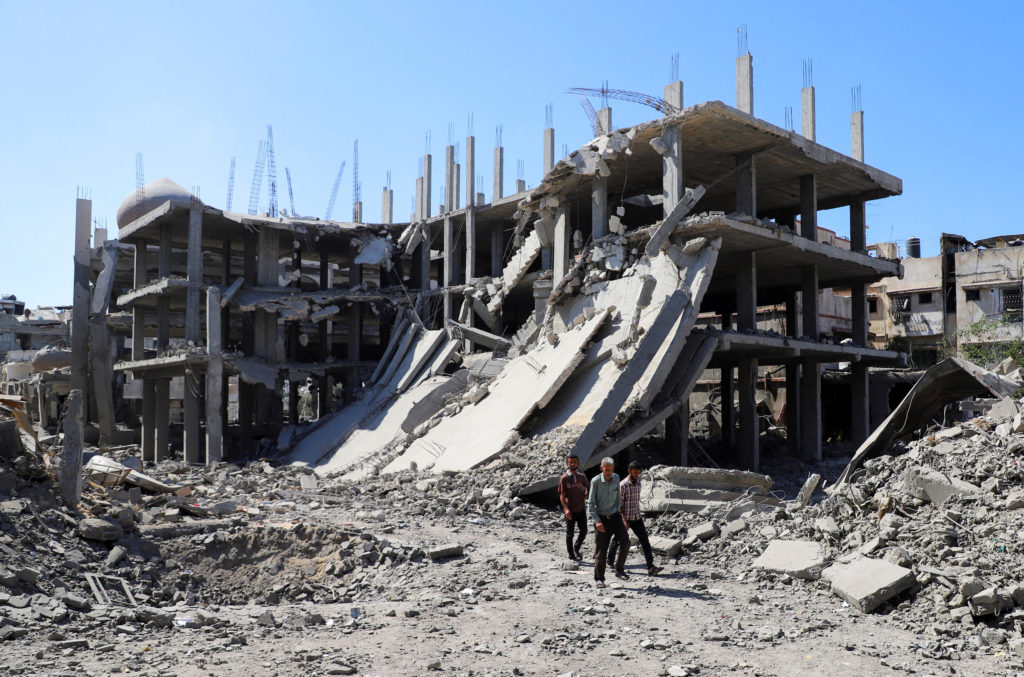
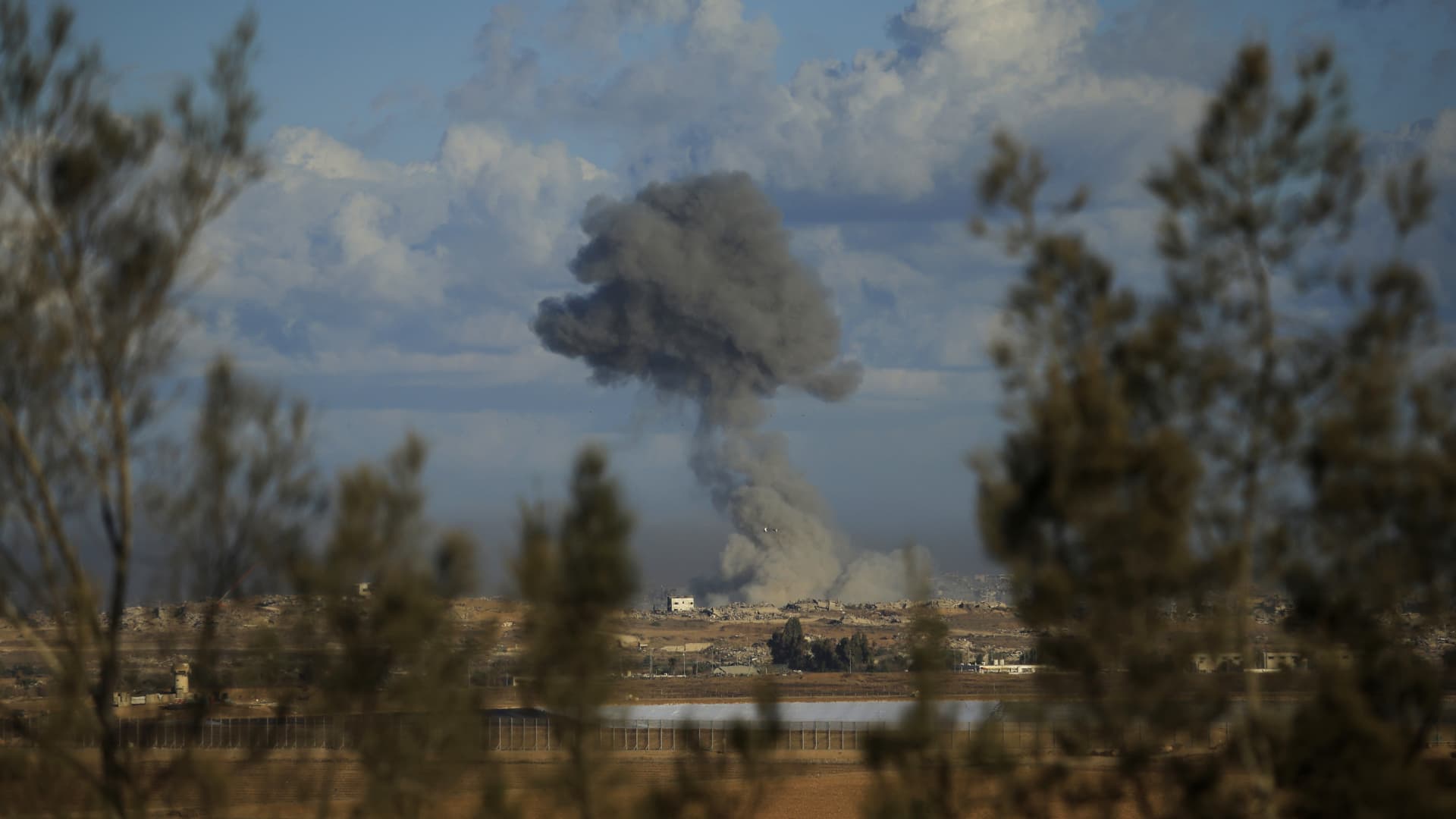
Israel rejects Trump’s 15-point Gaza plan, saying it will not withdraw until Hamas is genuinely disarmed, while Hamas pledges adherence to the plan; no White House response yet as fighting continues in Gaza and the West Bank amid tensions over the US-backed roadmap.
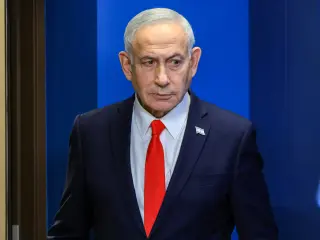
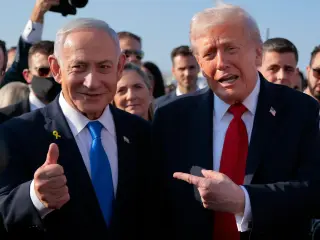
Israel’s Netanyahu rejected Trump’s 15-point Gaza plan, saying Israel will not withdraw until Hamas is genuinely disarmed; the proposal envisions a phased Israeli withdrawal tied to Hamas disarmament and governance by an international‑led Palestinian body, a framework some see as favoring Israeli interests while others question its feasibility and impact on Palestinian self‑determination, with elections looming and wide debate among analysts and Palestinians.
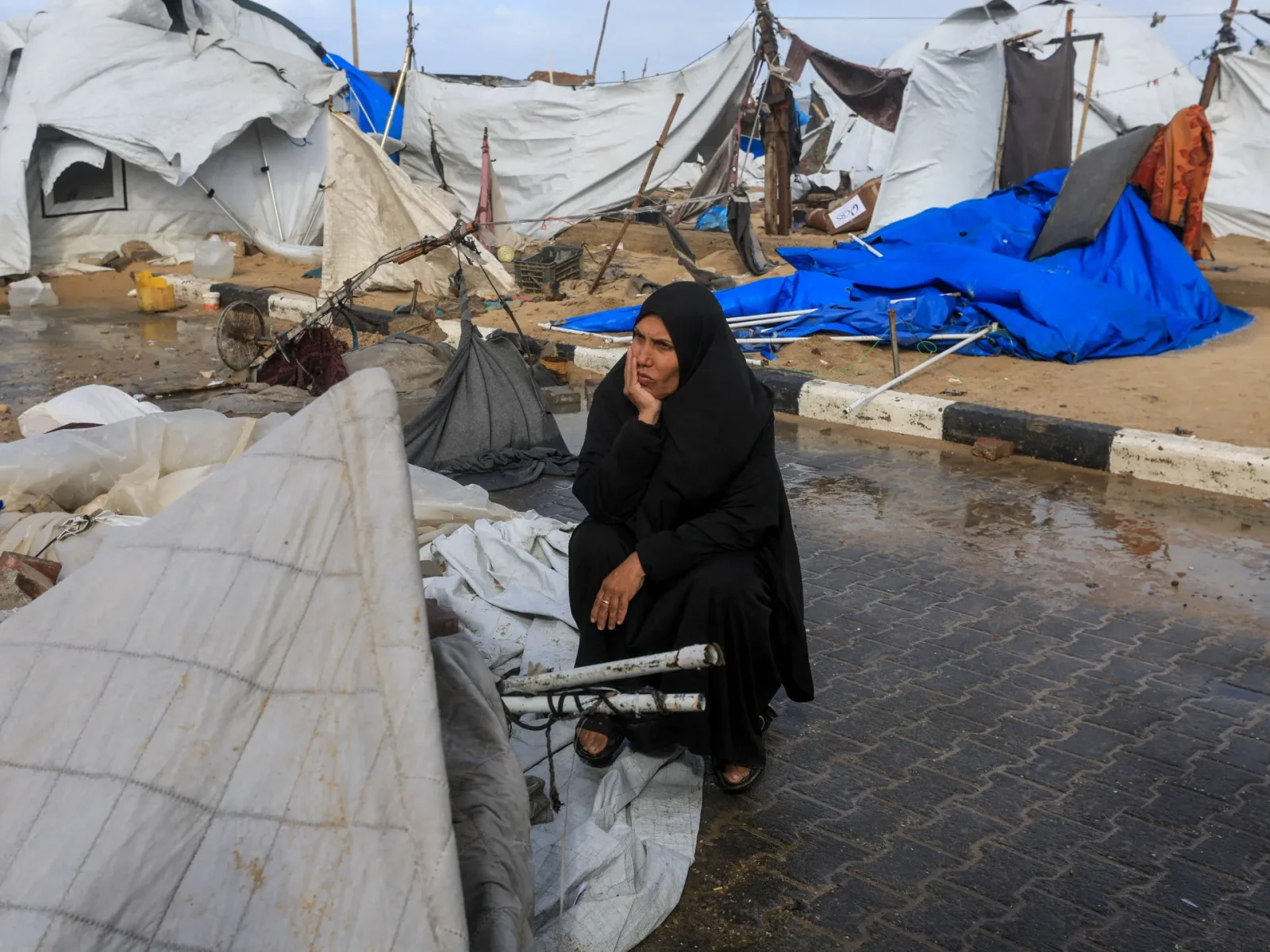
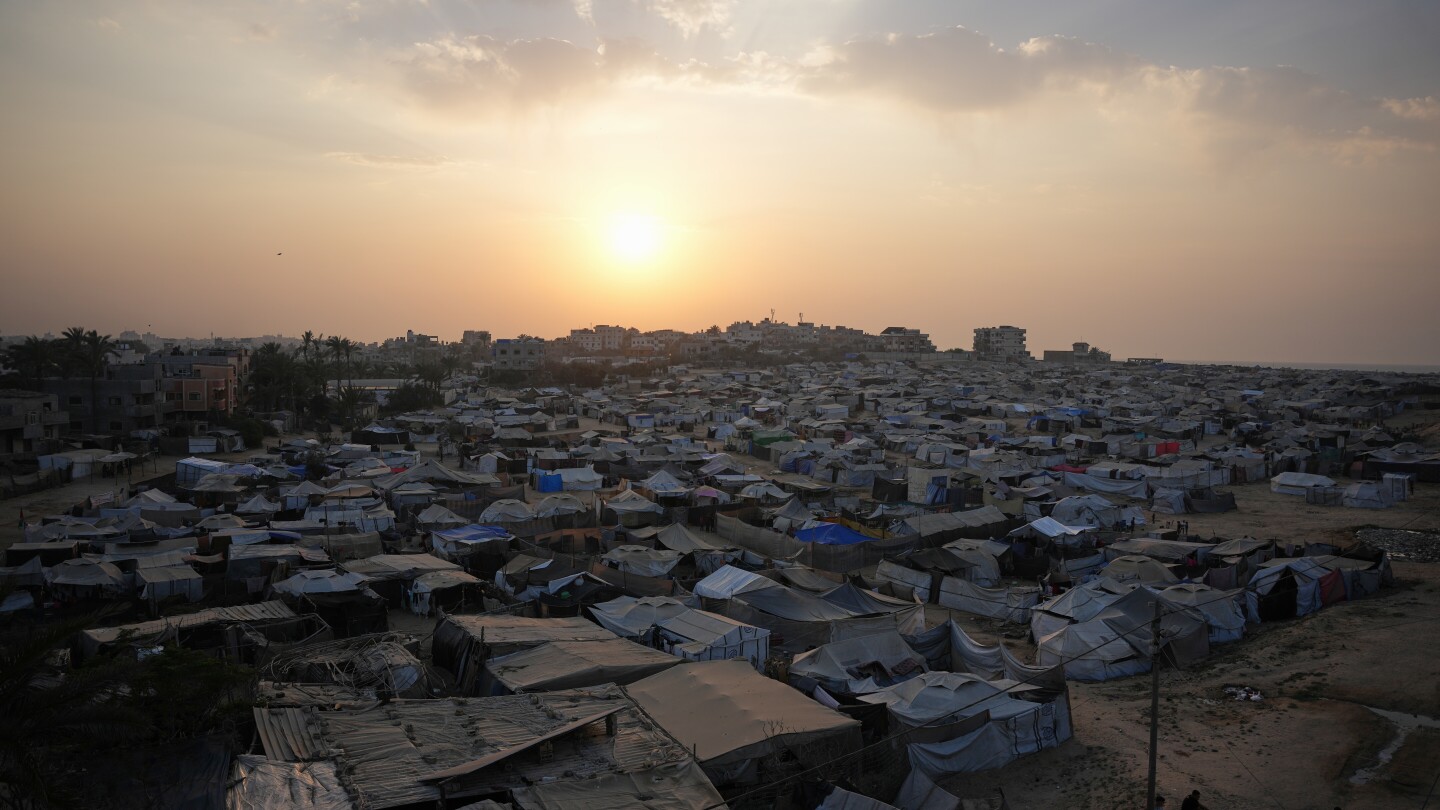
The United States announces the second phase of its Gaza peace plan, establishing a transitional technocratic Palestinian administration in Gaza and moving toward full demilitarization and reconstruction, including disarming Hamas; the plan ties compliance to hostage-recovery and other obligations, with risks of consequences for noncompliance. A 15-member Palestinian Technocratic Committee will lead the new administration, overseen by a Board of Peace chaired by Trump, and an International Stabilisation Force would train Palestinian police. Hamas, PIJ, and regional actors welcomed the move to a transitional phase, but the ceasefire remains fragile amid ongoing casualties and dire humanitarian conditions, and key issues—such as independent Palestinian statehood and full Israeli withdrawal—remain unresolved.
The Trump-brokered Gaza plan advances to Phase Two, shifting from a ceasefire to establishing a transitional administration that would oversee demilitarization and reconstruction of Gaza, with Hamas obligations and the return of hostages under scrutiny; questions remain about the provisional governing body's makeup and the durability of any ceasefire amid ongoing violence and humanitarian concerns.
Ukrainian President Zelensky is open to a referendum on Trump's peace plan if Russia agrees to a 60-day ceasefire, aiming to negotiate a framework to end the war, with discussions involving the U.S. and European leaders.
The US has proposed a UN Security Council resolution to authorize a two-year international stabilization force in Gaza, aiming to demilitarize the area and support ceasefire and reconstruction efforts, with ongoing negotiations and potential opposition from China and Russia.
The U.S.-brokered Gaza ceasefire has begun with some hostage releases and aid, but it is fragile as Israel violates the agreement and the plan remains vague and unenforced, raising concerns about the future of Palestinian rights and peace efforts.
A US-brokered ceasefire agreement between Israel and Hamas in Gaza has been reached, with ambiguous language suggesting the war may be over, but key issues like disarmament and governance remain unresolved, and future steps are uncertain.
Top officials from the US, Israel, Qatar, and Palestinian groups are engaging in peace negotiations in Egypt, aiming to address key issues such as ceasefire, prisoner exchanges, disarmament, and governance in Gaza, with optimism for a potential breakthrough despite ongoing conflicts and casualties.
The article highlights the struggles of Americans like Janet Kerrigan and Aarolyn McCullough, who face exorbitant costs for essential medications, and discusses President Trump's efforts to lower drug prices through initiatives like Pfizer's Medicaid discounts and the upcoming 'TrumpRx' site, with critics arguing these measures may not go far enough.
Israeli forces intensified their bombing of Gaza on the war's second anniversary amid ongoing indirect negotiations between Hamas and Israel in Egypt, aiming to reach a ceasefire and resolve issues like Gaza's withdrawal and disarmament, while the conflict continues to cause significant casualties and international concern.
Israel and Hamas have initiated indirect negotiations in Egypt to potentially end the Gaza conflict, focusing on a plan proposed by Donald Trump that includes hostage releases and prisoner swaps, amid ongoing violence and Israeli strikes in Gaza.
Hamas's partial acceptance of Trump's Gaza deal marks a potential step towards ending the Gaza war, with negotiations set to begin in Cairo to address remaining disagreements over disarmament, troop withdrawal, and governance, amid cautious optimism and complex diplomatic challenges.
Hamas has accepted President Trump's peace plan with conditions, raising high stakes for Gaza peace negotiations, though disagreements remain over Israel's military withdrawal from Gaza.
Gulf nations are likely to proceed with Donald Trump's Gaza plan, which involves establishing safe zones and rebuilding efforts, regardless of Hamas's acceptance, amid regional instability and efforts to end the conflict.