
Tag

Type Iii Secretion System

All articles tagged with #type iii secretion system

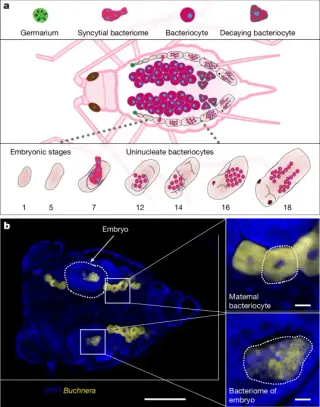
Secreted SyeA protein enables Buchnera colonization of aphid embryos
science1 month ago

Secreted SyeA protein enables Buchnera colonization of aphid embryos

Researchers identify SyeA, a secreted Buchnera protein that is dispatched into the aphid embryonic cytoplasm and is essential for Buchnera transmission to developing embryos. Structural analyses link SyeA to pathogen effectors (EspG/VirA) and suggest it may interact with host actin regulators (Rho1), coordinating cytoskeletal changes and lysosome trafficking to enable intracellular colonization. Antisense PNA knockdown reduces syeA expression, disrupts embryo colonization, leads to malformed embryos, and increases lysosomal degradation of Buchnera, highlighting SyeA as a vestige of bacterial invasion that evolved into a critical mutualist function.
Gut Microbes Employ Protein-Delivery Syringes to Rewire Human Immunity
science6 months ago

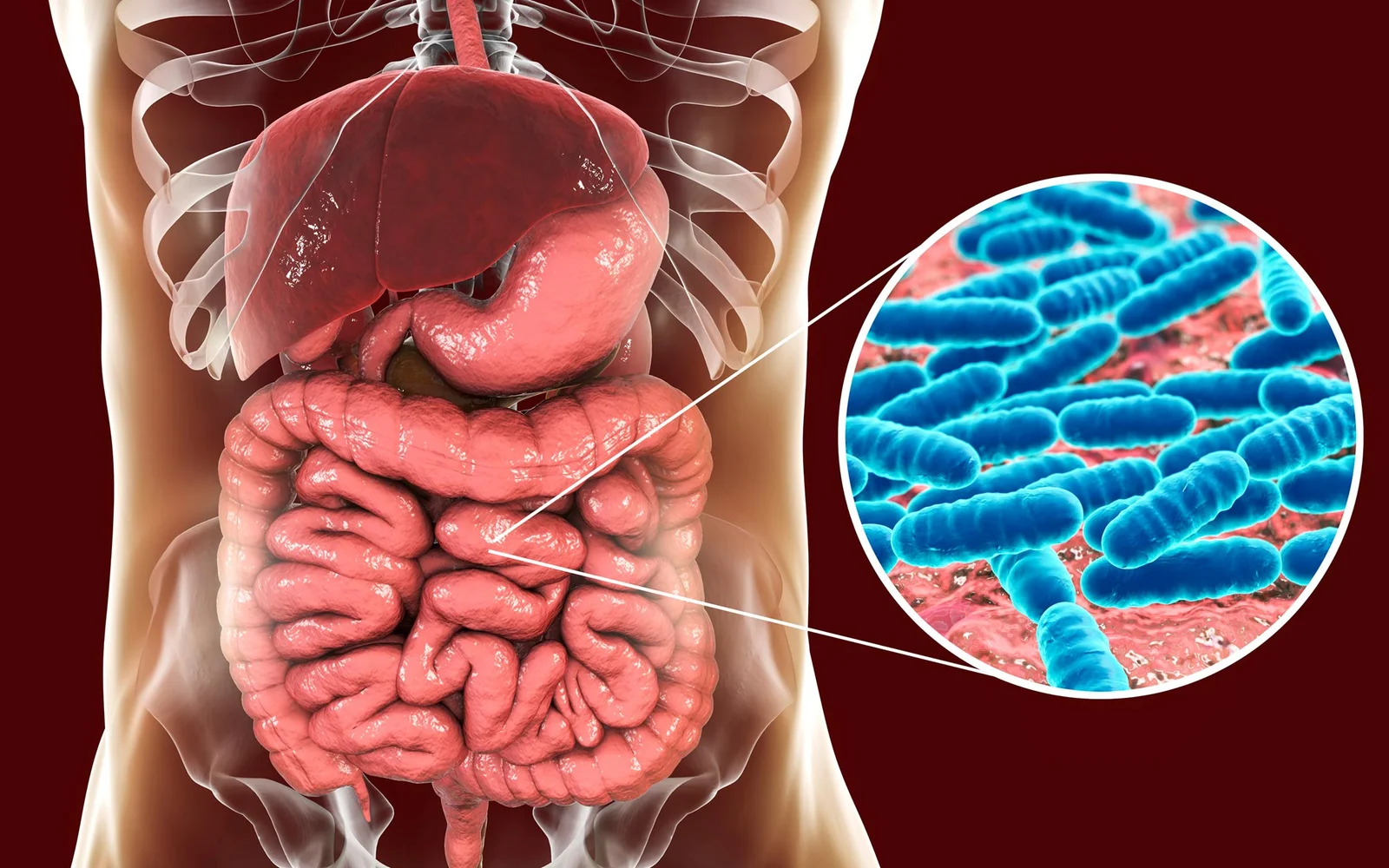
Gut Microbes Employ Protein-Delivery Syringes to Rewire Human Immunity

Researchers showed that common gut bacteria have type III secretion systems that inject proteins into human cells, altering immune signaling (including NF-κB and cytokine responses); these interactions are enriched in Crohn’s disease microbiomes, suggesting commensals can actively shape inflammation and may help explain microbiome–disease links while guiding future therapies.

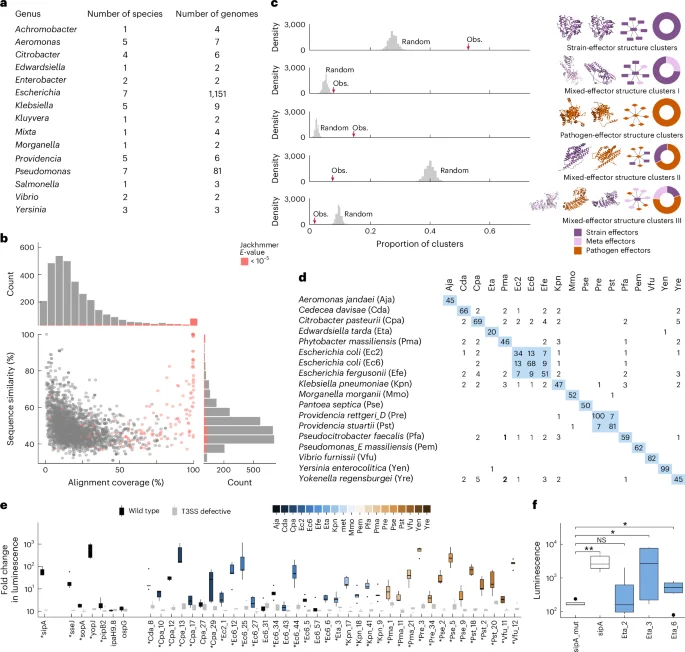
Commensal gut bacteria wield secretion systems to tune human immunity
science7 months ago

Commensal gut bacteria wield secretion systems to tune human immunity

A large analysis of healthy human gut bacteria shows that about 80% of Pseudomonadota carry intact type III secretion systems, with over 90% possessing a host-directed secretion system. The researchers built a meta-interactome linking commensal effectors to human proteins, finding effector-target neighborhoods enriched for genetic variation tied to immune and metabolic diseases. Metagenomic data show effector enrichment in Crohn’s disease but depletion in ulcerative colitis. Functionally, commensal effectors can translocate into human cells and modulate NF-κB signaling and cytokine secretion in vitro, suggesting T3SS contribute to microbiome–host communication and may influence health and disease.