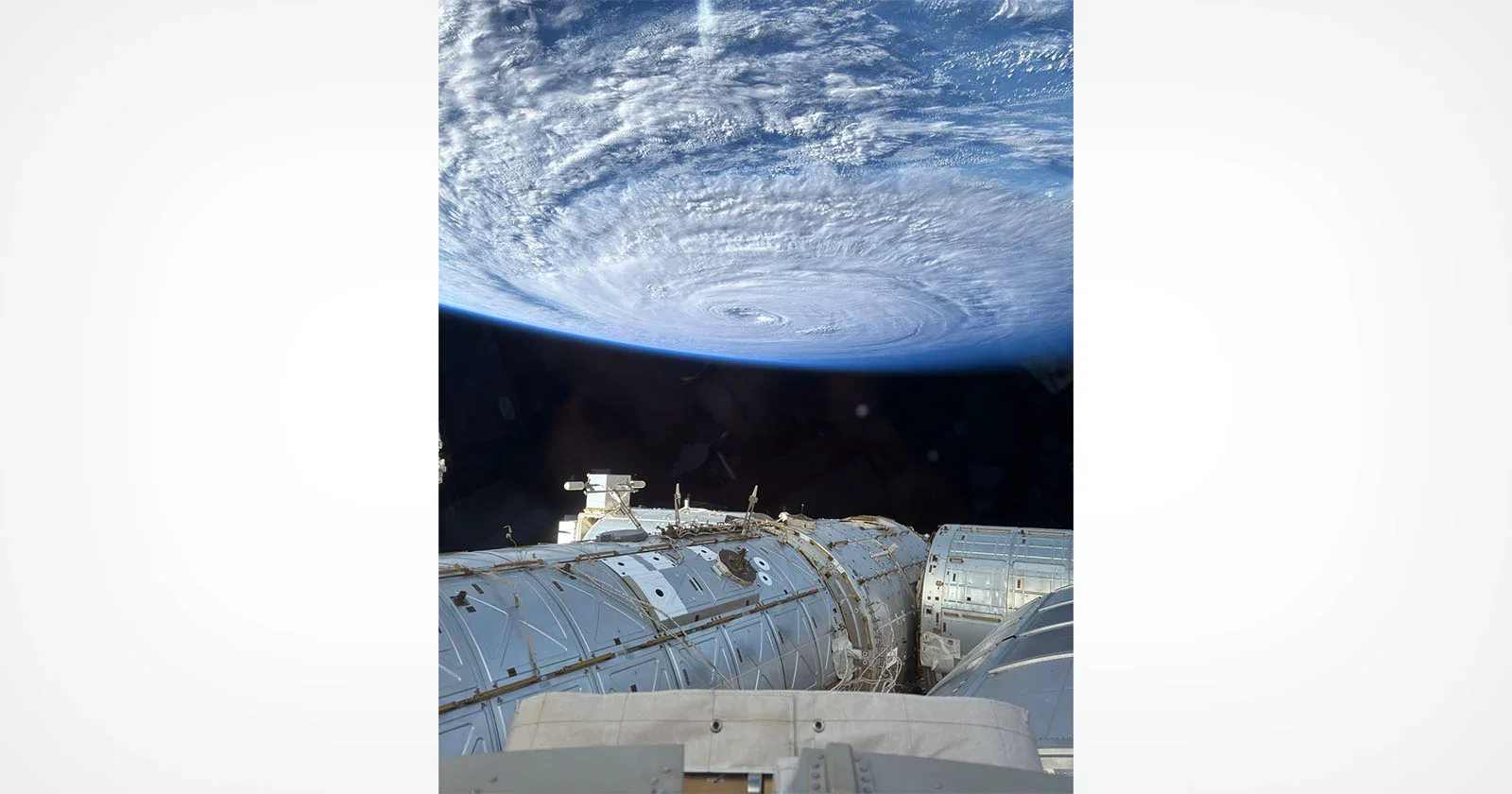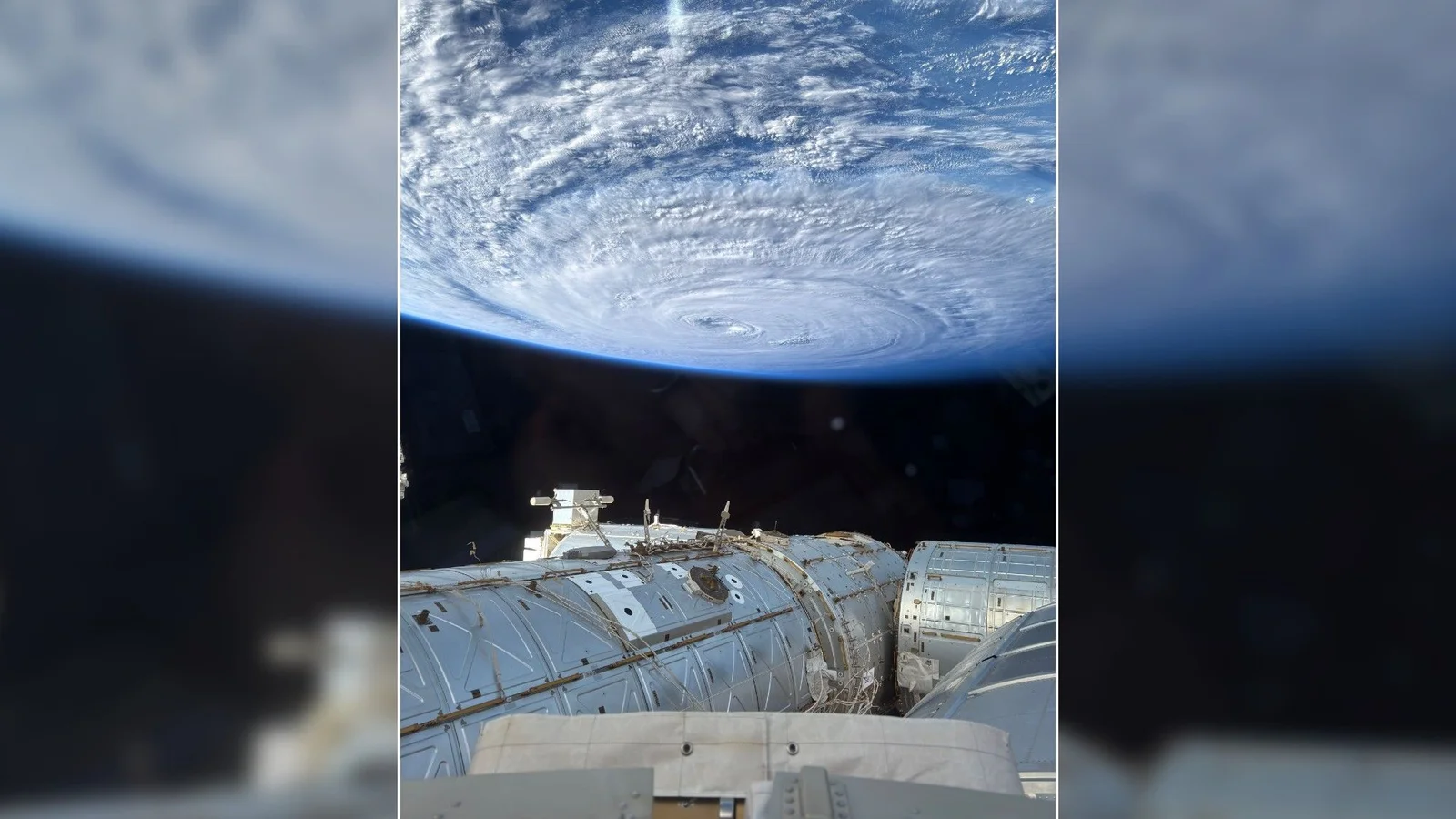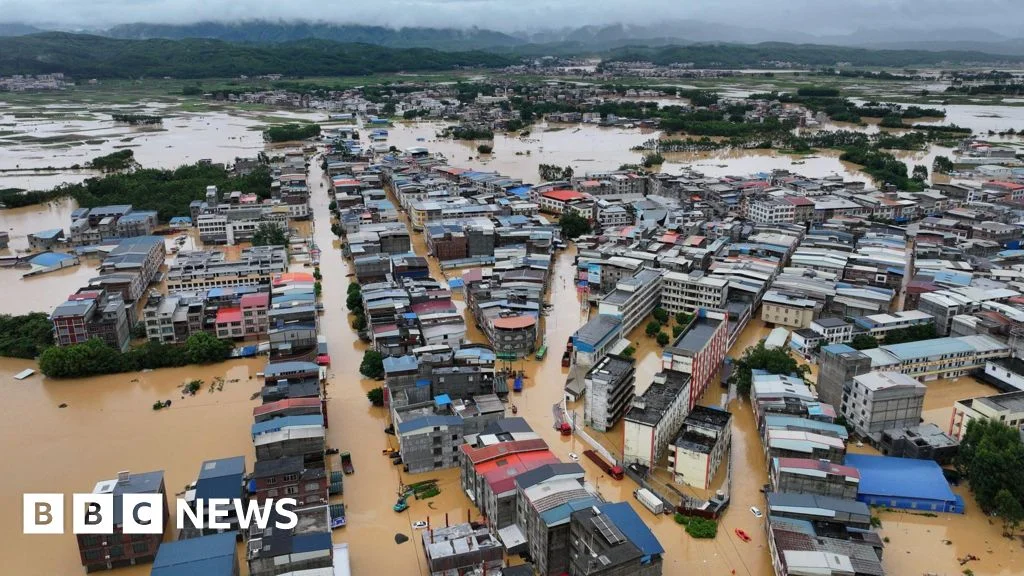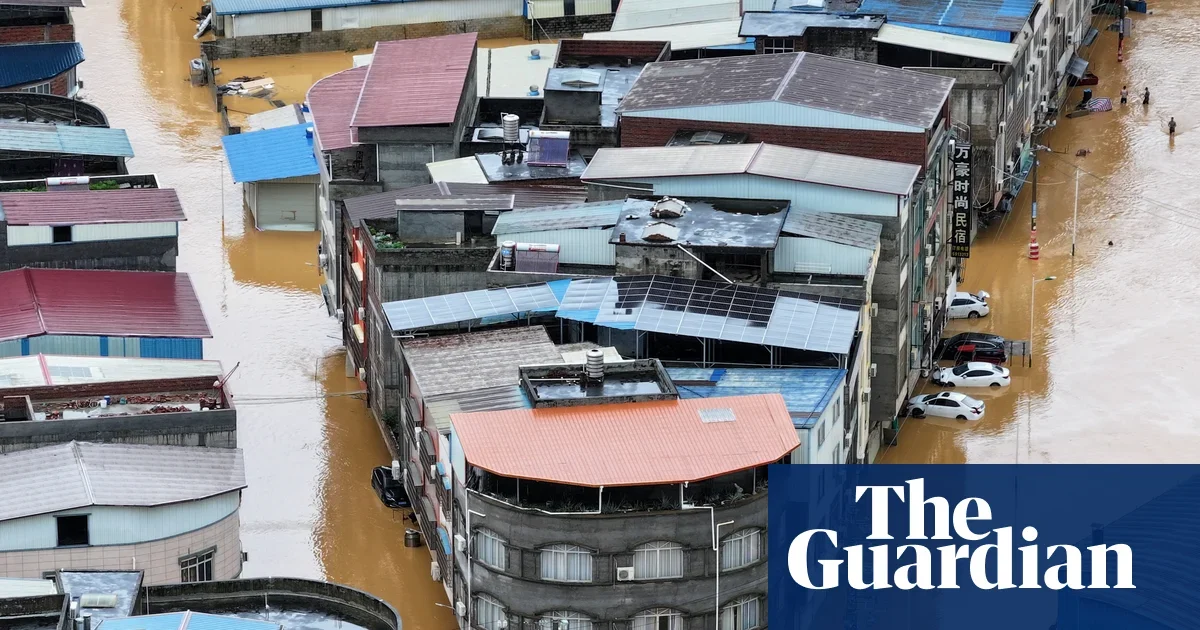
Typhoon Maysak battered southern China with rapid floods, dam breaches and even rare tornadoes in Hubei, leaving dozens dead, thousands displaced and tens of thousands evacuated as authorities pressed for rescue and relief operations amid ongoing damage.
Typhoon Maysak killed two in Nanning, Guangxi, and unleashed heavy rains that flooded reservoirs and forced about 48,000 of 55,000 affected residents to evacuate; floods swamped roads in Guigang and Fangchenggang as authorities raised the flood-control alert to the highest level and warned more rain could hinder rescue efforts, with Bavi expected to bring stronger winds and rainfall to eastern China. Separate heavy rains in northern China caused additional fatalities.
Super Typhoon Bavi made landfall on Guam and the Northern Mariana Islands, delivering sustained winds near 180 mph and gusts up to 350 km/h, prompting evacuations, shelter openings, and warnings of catastrophic damage and towering waves as authorities warn conditions will deteriorate rapidly.
A 'very dangerous' super typhoon is approaching US Pacific islands, prompting meteorologists and officials to issue warnings for damaging winds, heavy rain, and potential flooding; residents are urged to follow official guidance, secure property, and prepare emergency supplies and shelter as authorities monitor the storm’s path.
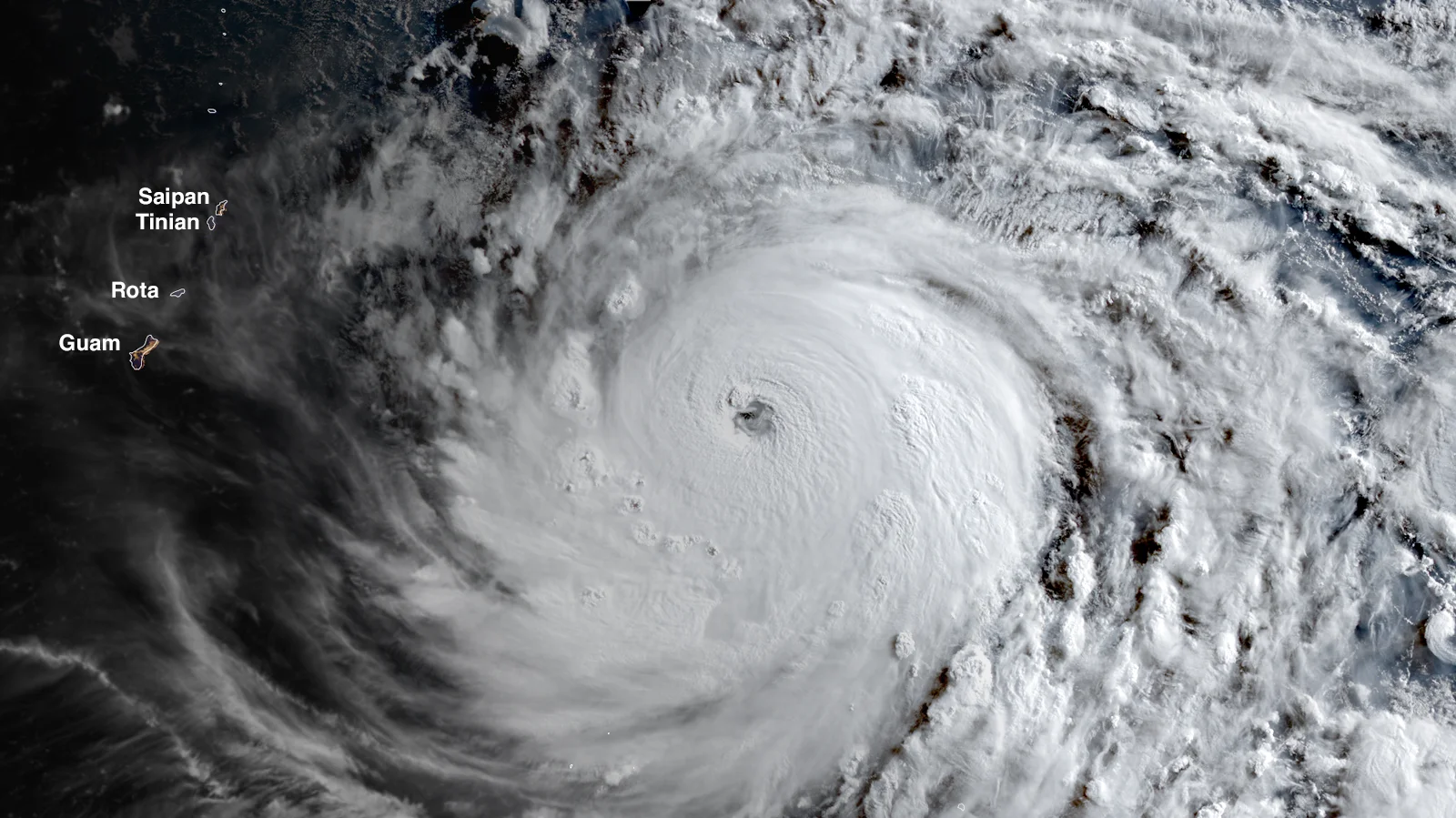
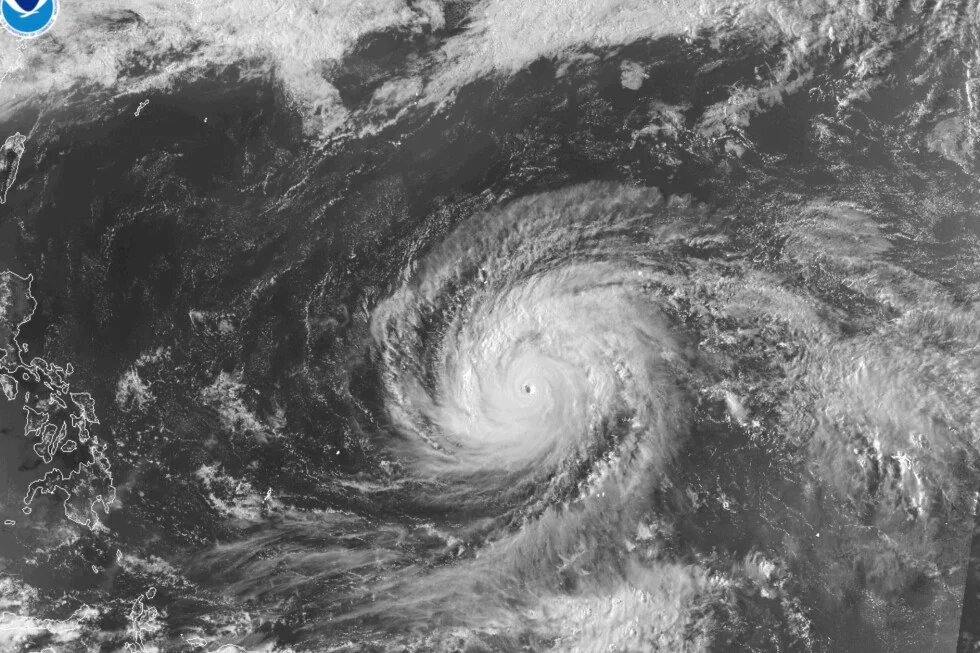
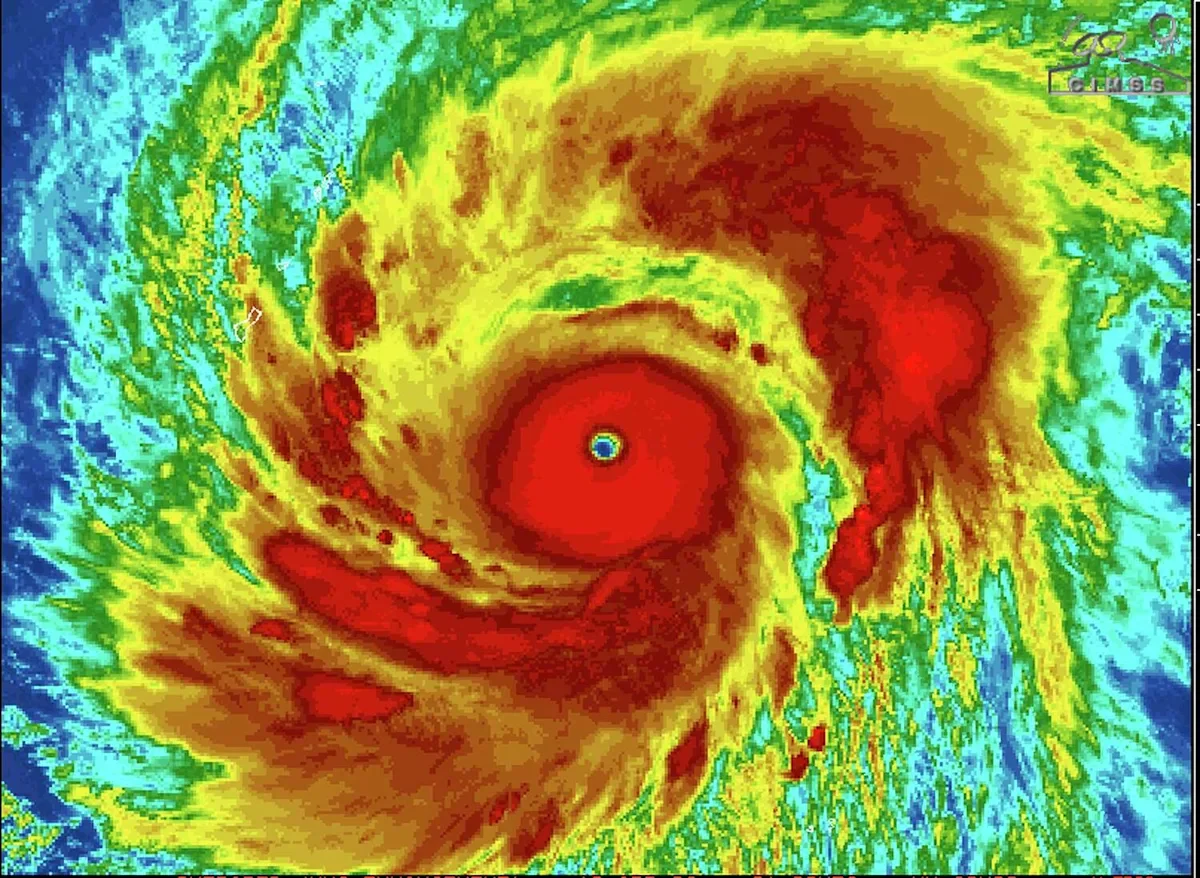
Typhoon Bavi rapidly intensified into 2026’s third Category 5 storm, reaching about 160 mph and threatening the U.S. Northern Mariana Islands (Tinian and Saipan) with catastrophic winds; JTWC forecast a peak near 175 mph before an eyewall replacement cycle may weaken it, with landfall near the Marianas possible this weekend. After passing the islands, Bavi is expected to move west-northwest toward Taiwan or China by July 10–11. The event occurs in a warming-El Niño–driven regime that has seen more Cat 4–5 tropical cyclones globally.
Typhoon Bavi is rapidly intensifying east of Guam and is forecast to become a Category 4–5 super typhoon this weekend, bringing damaging winds, torrential rainfall (up to 4–5 inches per hour), and dangerous surf to Guam and the U.S. Northern Mariana Islands (Saipan, Tinian, Rota) as early as Sunday; watches could be issued by Friday and preparations urged by Sunday morning, with the core staying near but south of Saipan. This would mark another major Pacific storm affecting the islands after Sinlaku earlier in 2026.
Typhoon Jangmi is forecast to bring heavy rain to western and eastern Japan along the Pacific coast through Wednesday, with warnings of violent winds, storm surges, landslides and flooding. Some areas could see 200–300 mm of rain; airlines have begun canceling flights to Okinawa, and rainfall is expected to accumulate from Monday to Wednesday—with about 100 mm forecast for Okinawa and Amami through Monday, rising to roughly 300 mm in Okinawa, Amami and southern Kyushu by Tuesday, and 200–300 mm in Shikoku and Kansai by Wednesday. The system, the sixth typhoon of the season, was moving north of Okinawa at 20 km/h, with a central pressure of 975 hPa and gusts up to 162 kph.
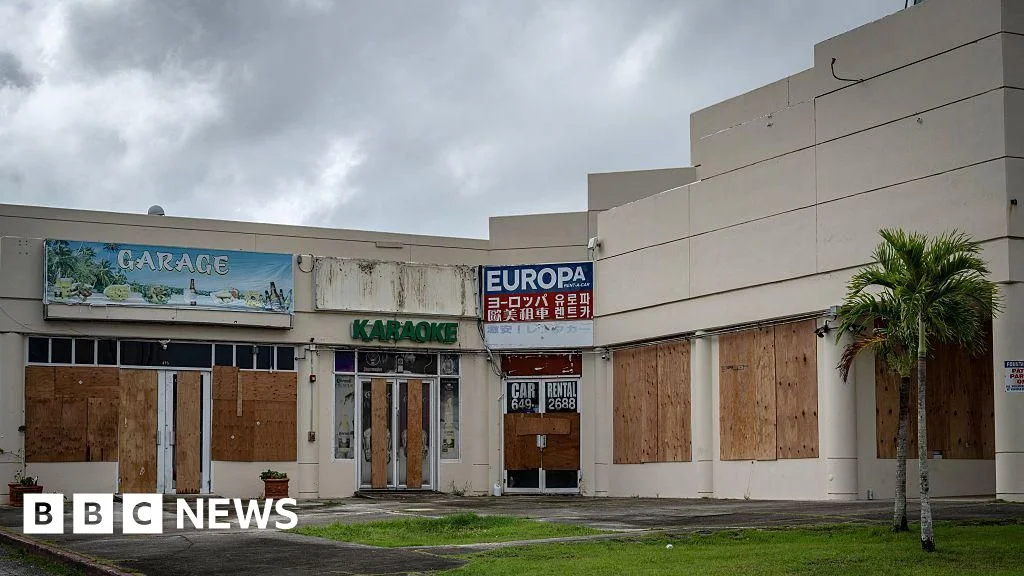
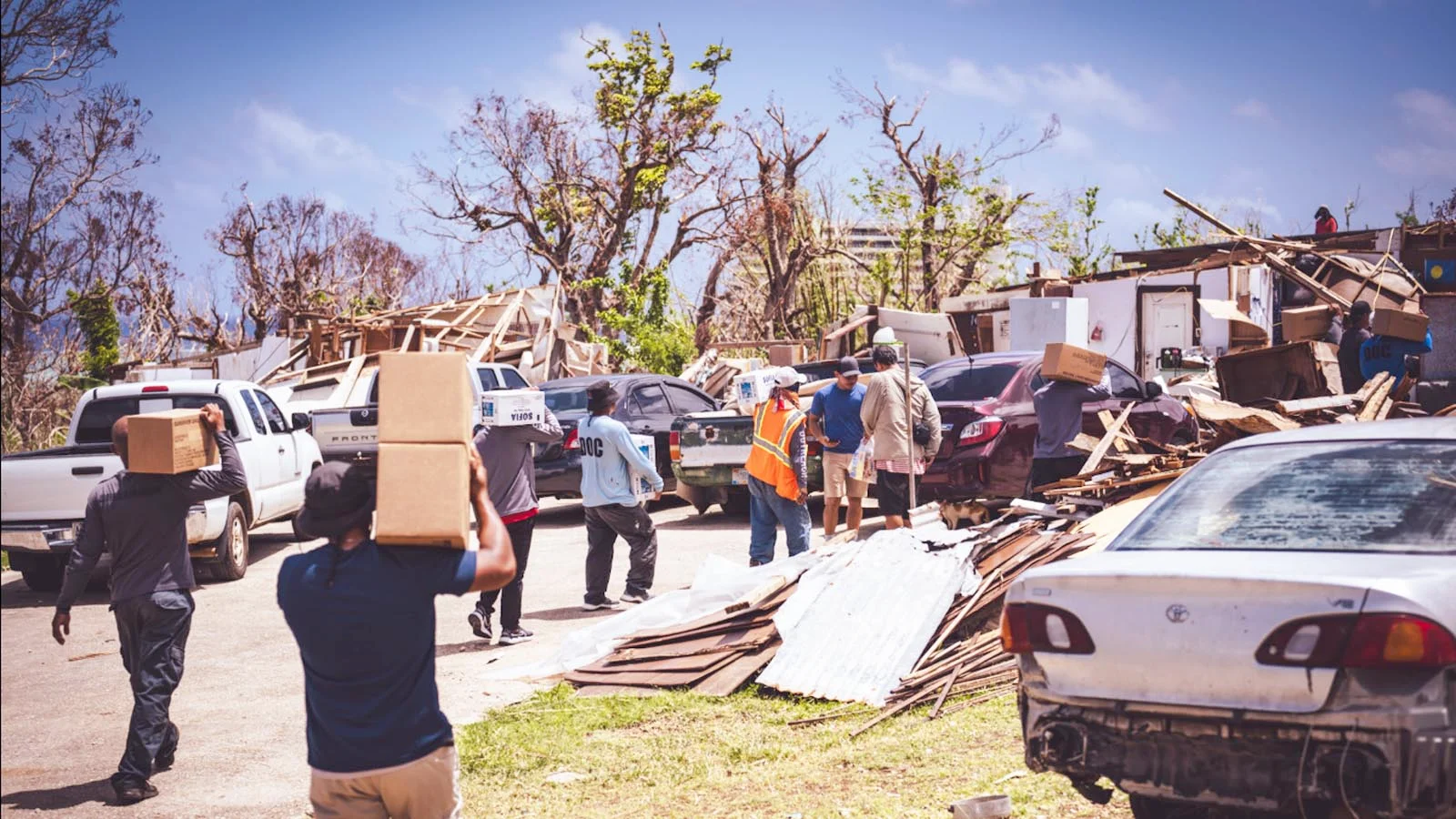
A super typhoon named Sinlaku battered the Northern Mariana Islands and Guam with ferocious winds and heavy rain, shredding roofs, flipping cars and triggering widespread flooding and power outages; relief workers sheltered more than 1,000 residents, and authorities warned of lengthy outages as assessments continued.
A super typhoon named Sinlaku is barreling toward Guam and the Northern Mariana Islands, bringing sustained winds near 173 mph and heavy rain that could cause flooding and long-lasting power outages. It is expected to pass near Saipan, Tinian and Rota as a Category 4–5 storm, prompting emergency declarations and FEMA-coordinated relief efforts, with roughly 50,000 residents on the islands and about 170,000 on Guam advised to prepare or shelter in place.
Super Typhoon Sinlaku is bearing down on remote U.S. Pacific territories such as Saipan and Guam, bringing heavy rain and strong winds as authorities brace for a direct hit. President Trump approved emergency declarations for Guam and the Northern Mariana Islands, and FEMA, along with EPA, DOT and the Army Corps of Engineers, is deploying nearly 100 staff to support emergency response and relief, with locals warned of long outages and port disruptions in the storm’s aftermath.
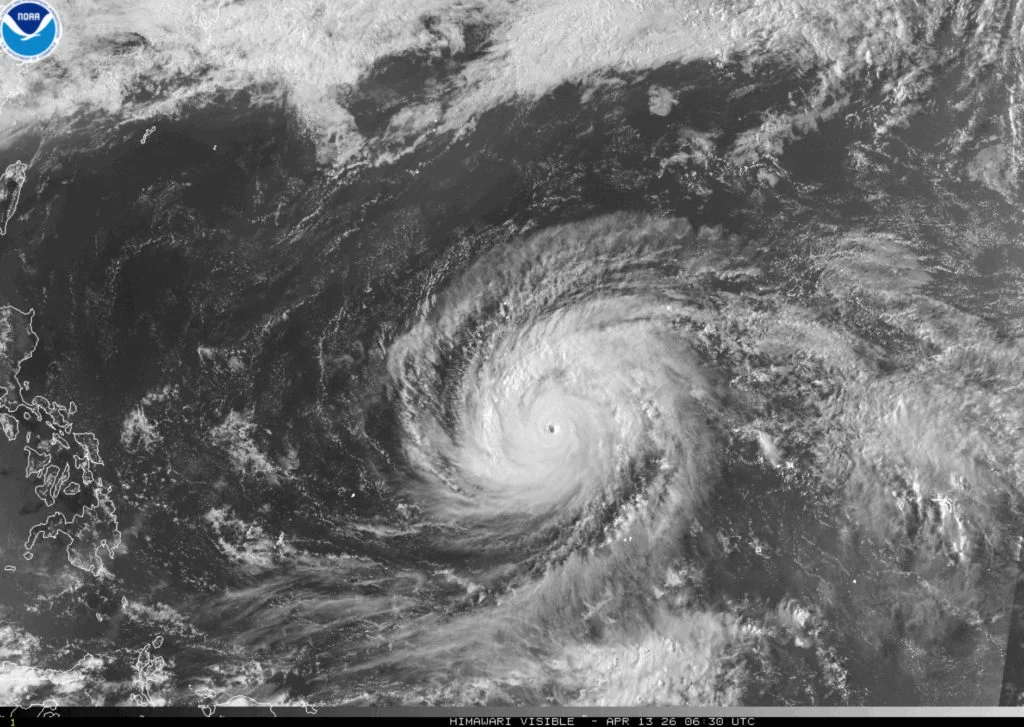
Super Typhoon Sinlaku intensified to 180 mph sustained winds (gusts to 220 mph), making it the strongest storm on Earth in 2026, as it bears down on the U.S.-held Northern Mariana Islands of Saipan, Rota and Tinian. Forecasters expect the eyewall to hit late Monday into Tuesday, with Guam under a tropical storm warning and flight cancellations continuing. The system could span about 400 miles, bringing 15–20 inches of rain on Guam and Rota (8–15 inches on Tinian/Saipan), plus dangerous surf, flash flooding and potential landslides; shelters opened and residents were urged to prepare for potentially catastrophic damage.
Super typhoon Fung-wong hit the Philippines, causing at least six deaths, widespread flooding, landslides, and power outages, just days after a previous storm and amid ongoing recovery from recent disasters, highlighting escalating climate and seismic risks in vulnerable nations.
Super typhoon Fung-wong struck the Philippines, causing at least two deaths, displacing over 1.4 million people, and inflicting widespread damage through flooding, landslides, and strong winds, amid increasing storm intensity linked to climate change. The storm has been downgraded but continues to pose risks as it moves north toward Taiwan, with ongoing rescue and assessment efforts underway.
A deadly typhoon, Kalmaegi, struck the Philippines, killing at least 114 people, displacing over 560,000, and causing widespread flooding and destruction, prompting a national emergency declaration and rescue efforts. The storm also raised flood risks in Vietnam and is expected to impact northern Luzon with severe weather.
Rescuers in central Vietnam are racing to reach flood-affected areas after heavy rains and landslides caused at least 37 deaths, with ongoing threats from Typhoon Kalmaegi expected to worsen conditions. The government is providing aid and working to restore infrastructure amid continued heavy rainfall and rising river levels. Vietnam faces frequent flooding exacerbated by climate change, with recent storms causing significant damage and loss of life.