Tag

Ultraprocessed Foods

All articles tagged with #ultraprocessed foods

Preservatives in everyday foods linked to higher blood pressure and heart risks, French study finds
health7 days ago

Preservatives in everyday foods linked to higher blood pressure and heart risks, French study finds

A large French NutriNet-Santé study of over 112,000 participants finds that certain widely used preservatives, including antioxidant additives like ascorbic acid, are associated with higher blood pressure and an increased risk of heart attack and stroke; eight preservatives were linked to hypertension and some (including non-antioxidants like potassium sorbate and sodium nitrite) to cancer risk, with findings observational in nature and not proving causation, but reinforcing concerns about ultraprocessed foods and recommending fresher or properly frozen options when possible.

Common food preservatives linked to higher blood pressure and heart risk, new French study finds
health7 days ago

Common food preservatives linked to higher blood pressure and heart risk, new French study finds

A French NutriNet-Santé study of over 112,000 adults found eight preservatives in foods linked to higher blood pressure and increased risks of heart attack and stroke over the next decade; both non-antioxidant preservatives (potassium sorbate, potassium metabisulfite, sodium nitrite) and natural antioxidant preservatives (ascorbic acid/vitamin C, sodium ascorbate, sodium erythorbate, citric acid, rosemary extracts) were associated with higher cardiovascular risk. The study shows associations, not causation, and reinforces concerns about ultraprocessed foods, suggesting a shift toward fresh or minimally processed options when possible.

Everyday ultraprocessed foods may raise dementia risk, study shows
health27 days ago

Everyday ultraprocessed foods may raise dementia risk, study shows

A Monash University–led Australian study of more than 2,000 dementia-free adults aged 40–70 found that every 10% increase in ultraprocessed food intake was linked to lower attention scores and higher dementia risk, with no significant link to memory. UPFs were also associated with dementia risk factors such as cardiovascular disease, type 2 diabetes and obesity. While self-reported data may limit strength, researchers say these findings support refining dietary guidelines to emphasize minimally processed, brain-healthy foods; experts also emphasize reducing UPF intake to protect cognition.

Ultraprocessed foods linked to higher dementia risk and weaker attention
health29 days ago

Ultraprocessed foods linked to higher dementia risk and weaker attention

A Monash University-led study of more than 2,000 dementia-free Australians aged 40–70 found that each 10% rise in ultraprocessed food intake was associated with lower attention scores and higher dementia risk, even among people with generally healthy diets; memory effects were not observed. Self-reported data and potential confounding limit the strength of conclusions. Researchers and experts, including Dr. Daniel Amen, call for dietary guidelines to consider processing level and for replacing ultraprocessed foods with real foods to protect brain health.

Processed foods tied to knee arthritis risk via thigh fat
health1 month ago

Processed foods tied to knee arthritis risk via thigh fat

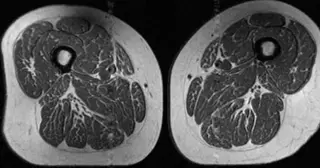
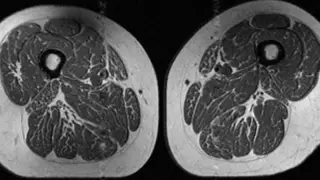
A UCSF-led study published in Radiology found that higher consumption of ultraprocessed foods is linked to greater fat infiltration in thigh muscles and a higher risk of knee osteoarthritis, independent of total calories, weight, or exercise. Using data from 615 participants in the Osteoarthritis Initiative, researchers observed that those consuming about 41% of daily calories from ultraprocessed foods had more thigh fat and weaker muscle quality, which can stress the knee. The study does not prove causation and relied on self-reported diets, focusing on individuals already at higher risk for knee issues. Reducing ultraprocessed foods may help preserve muscle quality and knee health.

Ultra-processed diets linked to marbled thigh muscles and higher knee OA risk
health1 month ago

Ultra-processed diets linked to marbled thigh muscles and higher knee OA risk

A UCSF-led study of 615 adults around age 60 found that higher intake of ultraprocessed foods correlates with greater fat infiltration in thigh muscles, a sign of poorer muscle quality linked to knee osteoarthritis, regardless of total calories. While causation isn’t proven, experts say reducing ultraprocessed foods and focusing on real foods plus low-impact exercise can help protect joint health.

Ultra-processed diets linked to fatty thigh muscles and knee joint risk
health1 month ago

Ultra-processed diets linked to fatty thigh muscles and knee joint risk

A UCSF-led study of 615 people at risk for knee osteoarthritis found that higher ultraprocessed food intake, irrespective of total calories, is associated with greater intramuscular fat in the thigh, a sign of weaker muscles that may raise knee joint stress; while causality isn’t proven, experts advise low-impact exercise and a diet of real, minimally processed foods, plus practical steps to cut ultraprocessed items (read labels, add whole foods, swap sugar-sweetened drinks, and eat out less).

california-politics-and-policy2 months ago

California moves to label not-ultraprocessed foods with a new grocery seal

A California bill would create the nation’s first 'California Certified' seal for non-ultraprocessed foods, with certification starting by 2028 and mandatory display in stores; the measure fits a bipartisan push to curb ultraprocessed foods and follows related state actions on school lunches and dye bans, drawing both public support and industry pushback.

Ultra-processed foods linked to higher death risk for cancer survivors
health2 months ago

Ultra-processed foods linked to higher death risk for cancer survivors

An observational Italian study of more than 800 cancer survivors followed nearly 18 years found that those with the highest intake of ultraprocessed foods had a 48% higher risk of death from any cause and a 57% higher risk of death from cancer compared with those with the lowest intake. The association persisted after adjusting for overall diet quality, suggesting that how foods are processed may influence long-term health beyond nutrient content. The researchers recommend minimally processed, home-cooked meals, but note limitations like self-reported diets and lack of cancer-stage data, so causation cannot be established.

Every extra serving of ultra-processed food hikes heart risk, study finds
health2 months ago

Every extra serving of ultra-processed food hikes heart risk, study finds

New research links each additional serving of ultra-processed foods to higher risks of heart attack, stroke, and fatal heart disease, with nine servings daily tied to a 67% increase in heart-disease risk; Black individuals see larger per-serving increases, highlighting racial disparities, while the broad American diet also poses risks as most people get more than half their calories from UPFs; experts recommend moderating UPFs and prioritizing whole foods.

Gut-friendly eating made simple: nourish your microbiome with everyday choices
health2 months ago

Gut-friendly eating made simple: nourish your microbiome with everyday choices

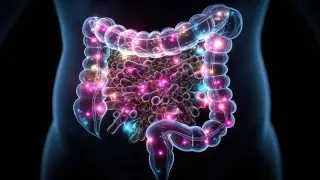
A gut-friendly approach centers on eating minimally processed, fiber-rich foods to support the gut microbiome, which may help reduce inflammation and support digestion and overall health. It also suggests gradually increasing fiber to avoid GI discomfort, limiting ultraprocessed items, and using a guided elimination-style strategy to identify foods that irritate the gut, complemented by tracking food, health, and mood to tailor the plan.

Unprocessed Whole Foods Cut 330 Daily Calories Without Shrinking Your Plate
health3 months ago

Unprocessed Whole Foods Cut 330 Daily Calories Without Shrinking Your Plate

A Bristol-led reanalysis of a 2019 trial finds that when people eat unprocessed whole foods they consume about 50% more food by volume but roughly 330 fewer calories per day than on ultra-processed diets, suggesting a built-in nutritional intelligence that favors micronutrient-rich foods and challenges the idea that weight loss is solely about portion size.

RFK Jr. Blames GRAS Loophole for Ultraprocessed Foods, Calls for FDA Overhaul
health3 months ago

RFK Jr. Blames GRAS Loophole for Ultraprocessed Foods, Calls for FDA Overhaul

60 Minutes reports RFK Jr. claims the FDA's GRAS exemption lets food manufacturers certify ingredients as safe without full government review, fueling a surge in ultraprocessed foods and potential health problems. He advocates revoking GRAS status for problematic refined carbohydrates unless proven safe, while experts warn about obesity and cardiometabolic disease. The piece also discusses subsidies shaping the food system and notes a related lawsuit against several manufacturers.

Health Officials Challenge GRAS Loophole in War on Ultraprocessed Foods
health3 months ago

Health Officials Challenge GRAS Loophole in War on Ultraprocessed Foods

Two public health leaders clash over ultraprocessed foods and the GRAS safety loophole: Kessler urges revoking GRAS status for many additives unless proven safe, while Kennedy Jr. seeks tighter oversight to curb the market’s flood of processed ingredients. The report links ultraprocessed foods to obesity and cardiometabolic disease, discusses farm subsidies that underwrite unhealthy calories, and notes a pending lawsuit against manufacturers along with calls for greater food-safety transparency.

Pollan’s Guide to Eating: Real Food, Fewer Ultra-Processed Options
health3 months ago

Pollan’s Guide to Eating: Real Food, Fewer Ultra-Processed Options

CBS News highlights that ultraprocessed foods are linked to obesity and chronic diseases; FDA former head Kessler and author Michael Pollan discuss evidence that these foods alter metabolism and drive overeating. NIH research shows people on ultraprocessed diets consume about 500 more calories daily; Pollan recommending eating real food, mostly plants, avoiding ingredients a third-grader cannot pronounce, shopping the supermarket perimeter, cooking at home, and advocating policy changes to subsidize healthier calories.