Tag

Radiology

All articles tagged with #radiology

Orbiting X-Rays Break Ground in Space Medicine
science15 hours ago

Orbiting X-Rays Break Ground in Space Medicine

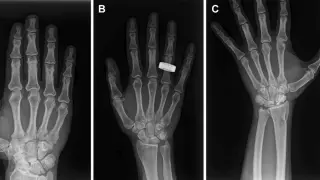
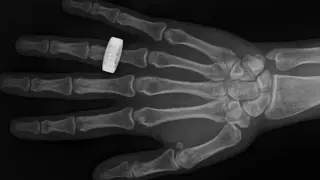
SpaceX’s Fram2 mission conducted the first in-orbit medical X-ray scans with a portable X-ray device, capturing diagnostic-quality images of the hand, forearm, abdomen, pelvis, and chest that were reviewed by three radiologists. The inflight results show radiography can supplement ultrasound for astronaut health, diagnose injuries, and even assess equipment or space-suit integrity, marking a path toward more capable space diagnostics. Future work will aim to miniaturize and harden X-ray systems for vacuum and deep-space use, with real-time imaging guidance for astronauts on Moon missions.

Torso Muscle Density Linked to Lower Heart Attack Risk, AI Study Finds
health14 days ago

Torso Muscle Density Linked to Lower Heart Attack Risk, AI Study Finds

AI analysis of upper-body CT scans from 1,722 patients with chest pain found that higher chest and back muscle density (better-quality skeletal muscle) is associated with a 31% lower risk of heart attack and a 39% lower risk of death over 10 years. Muscle size did not predict risk, suggesting muscle composition matters. Findings, published in Radiology, could lead to routine scans flagging at-risk individuals who may benefit from more exercise or preventive treatments, though more research is needed.

When Doctors Didn’t Listen, She Read Her Own Scans and Found the Truth
health18 days ago

When Doctors Didn’t Listen, She Read Her Own Scans and Found the Truth

A HuffPost health feature recounts how Aly Worsham, frustrated by doctors who dismissed her abdominal pain, downloaded a DICOM viewer and taught herself to read medical images. She eventually identified adenomyosis and related pelvic issues, endured multiple surgeries, and uncovered a pituitary tumor after years of silence and misdiagnosis, including a life-threatening meningitis/sepsis scare. The piece argues that gender bias and the health system’s gaps force many women to become their own radiologists and advocates, urging patients to seek second opinions and read their records to push for proper care.

AI Screening Could Detect Breast Cancer Signs Up to Six Years Early, Massive Swedish Study Finds
health29 days ago

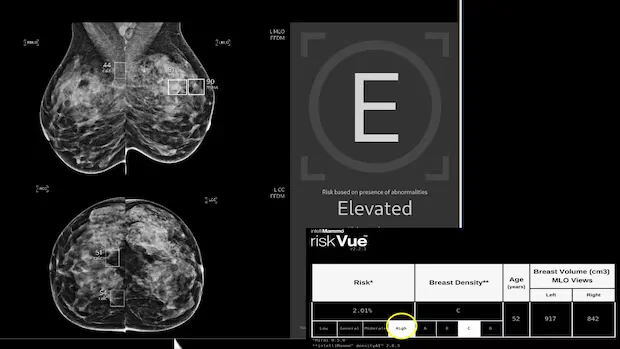
AI Screening Could Detect Breast Cancer Signs Up to Six Years Early, Massive Swedish Study Finds

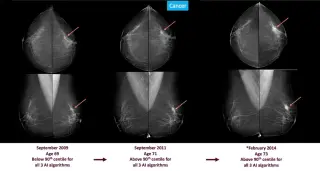
A Swedish study of 88,963 mammograms from over 31,000 women shows AI-based screening can flag mammographic signs of breast cancer years before radiologists diagnose it, with higher AI scores in those later diagnosed. The three AI-CAD systems achieved about 90% specificity and identified cancers six years before diagnosis in ~20% of participants, four years prior in ~25%, and two years prior in ~40%, suggesting AI could enable earlier intervention.

Processed foods tied to knee arthritis risk via thigh fat
health2 months ago

Processed foods tied to knee arthritis risk via thigh fat

A UCSF-led study published in Radiology found that higher consumption of ultraprocessed foods is linked to greater fat infiltration in thigh muscles and a higher risk of knee osteoarthritis, independent of total calories, weight, or exercise. Using data from 615 participants in the Osteoarthritis Initiative, researchers observed that those consuming about 41% of daily calories from ultraprocessed foods had more thigh fat and weaker muscle quality, which can stress the knee. The study does not prove causation and relied on self-reported diets, focusing on individuals already at higher risk for knee issues. Reducing ultraprocessed foods may help preserve muscle quality and knee health.

Apple Studio Display XDR Brings DICOM Imaging for Radiology
technology4 months ago

Apple Studio Display XDR Brings DICOM Imaging for Radiology

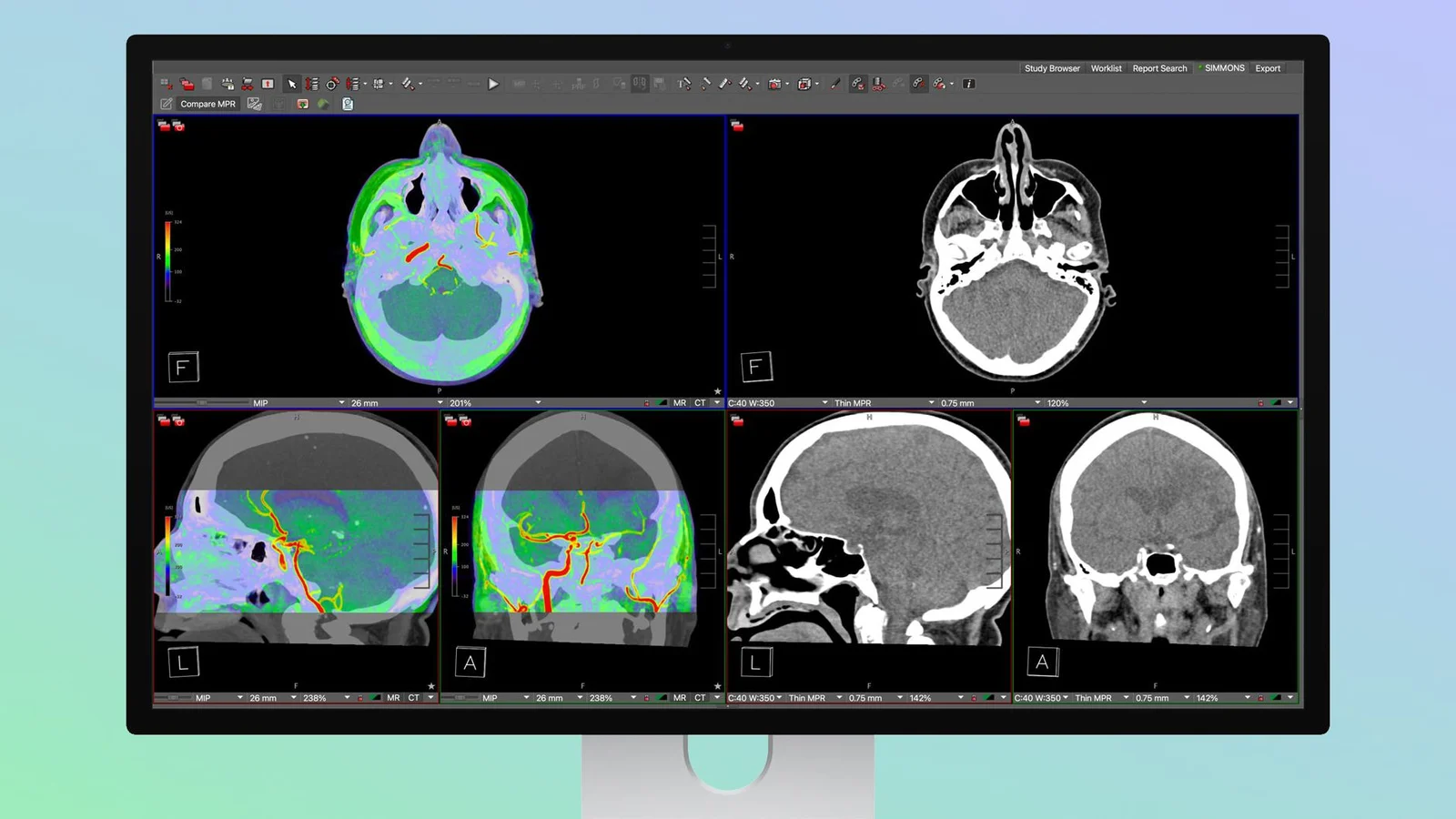
Apple's Studio Display XDR now supports DICOM medical imaging presets and a Medical Imaging Calibrator, enabling radiologists to view diagnostic radiology images on a high-end monitor; the calibrator is pending FDA clearance and should be available in the US soon. Pre-orders begin March 4 with a March 11 launch. The display features mini-LED backlighting, 2,304 local dimming zones, 2000 nits peak brightness, a 1,000,000:1 contrast ratio, and a 120Hz refresh rate, with a starting price of $3,299, offering a more affordable option than many dedicated medical imaging monitors.

AI-aided mammograms cut risk of aggressive breast cancer in large Swedish trial
health5 months ago

AI-aided mammograms cut risk of aggressive breast cancer in large Swedish trial

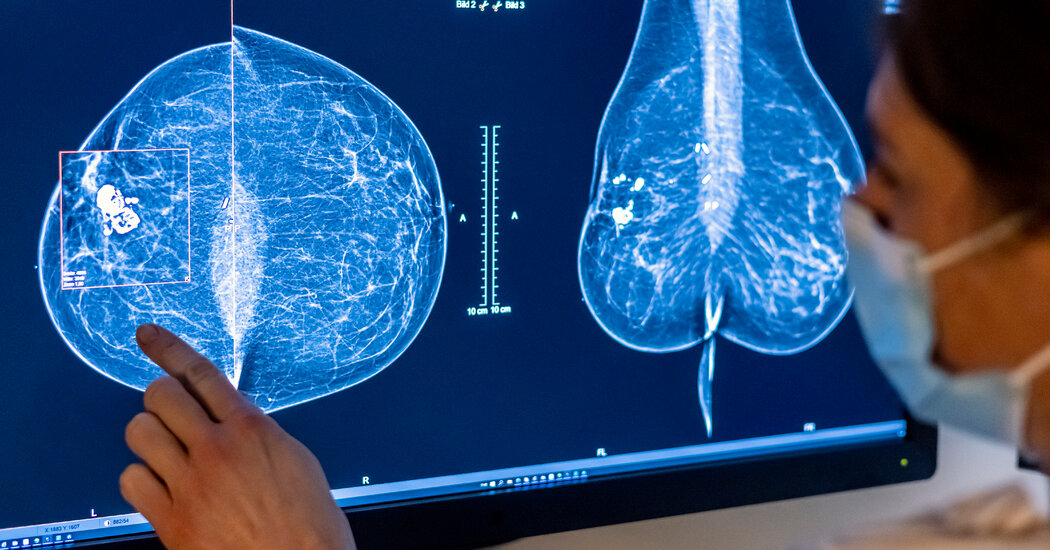
A Swedish Lancet study of over 100,000 women found AI-assisted reading of mammograms increased cancer detection and reduced interval cancers by 12%, suggesting fewer aggressive cancers later and potential health-cost savings; the AI acted as a triage aid (low-risk cases read by one radiologist, high-risk by two). Limitations include single-center data and missing race/ethnicity info, with longer-term mortality and cost-effectiveness to be assessed.

AI Revolutionizes Brain Tumor Detection with Speed and Precision
health1 year ago

AI Revolutionizes Brain Tumor Detection with Speed and Precision

AI models using convolutional neural networks and transfer learning from tasks like camouflage detection have achieved 85.99% accuracy in distinguishing brain tumors from healthy tissue in MRI scans, nearing human performance. This study emphasizes explainability, allowing AI to highlight cancerous areas, fostering trust among radiologists and patients. While slightly less accurate than human detection, the method shows promise for AI as a transparent tool in clinical radiology.

"AI's Impact on Early Breast Cancer Detection and Treatment Outcomes"
healthtech2 years ago

"AI's Impact on Early Breast Cancer Detection and Treatment Outcomes"

Clinics are offering a new service where mammograms are read by both radiologists and artificial intelligence models, aiming to improve accuracy in detecting breast cancer. While experts are excited about the potential of AI tools, they have concerns about their effectiveness across diverse patient populations and their impact on breast cancer survival. AI analysis can identify patterns in mammograms that may indicate cancer, but there are also challenges in differentiating certain patterns from normal breast tissue.

"Ipswich Hospital's AI-Driven Lung Cancer Detection Research"
healthcaretechnology2 years ago

"Ipswich Hospital's AI-Driven Lung Cancer Detection Research"

Ipswich Hospital is participating in the LungIMPACT research study, using AI software to assist in detecting abnormalities on chest X-rays, with the aim of expediting diagnostic processes. The study, running until July 2024, will involve reviewing 9,000 GP-referred chest X-rays to assess the effectiveness of AI in prioritizing X-rays for review and potentially speeding up the time to diagnosis. Consultant radiologist Dr. James Hathorn emphasized the importance of properly researching and evidencing AI products for the future of healthcare, with final decisions remaining in the hands of clinicians.

"The Cost of Mammography AI: Is It Worth the Extra Expense for Patients?"
health2 years ago

"The Cost of Mammography AI: Is It Worth the Extra Expense for Patients?"

Some radiology clinics are offering patients the option to pay for artificial intelligence (AI) analysis of their mammograms, which is not covered by insurance. While AI software has the potential to improve the detection of suspicious breast masses and lead to earlier diagnoses of breast cancer, there is ambiguity regarding its individual benefit. The FDA has authorized AI products to help detect and diagnose cancer from mammograms, but there are currently no billing codes for radiologists to charge health plans for the use of AI. The cost of AI analysis raises concerns about equity and affordability, with some experts questioning the need for additional charges for a service that could be beneficial for all women.

Radiologists trump AI in detecting lung diseases on chest X-rays
medical-technology2 years ago

Radiologists trump AI in detecting lung diseases on chest X-rays

Radiologists outperformed commercially available AI tools in accurately identifying the presence and absence of three common lung diseases on chest X-rays, according to a study published in Radiology. While AI tools showed moderate to high sensitivity rates, they produced more false-positive results than radiologists, especially when multiple findings were present or for smaller targets. The study highlights the need for further testing of AI tools in real-life clinical scenarios and emphasizes the importance of radiologists' expertise in interpreting complex chest X-rays. AI systems could serve as a valuable second opinion for radiologists but should not be autonomous in making diagnoses.

"Medicare Fee Schedule Sparks Outrage and Calls for Reform with Proposed Pay Cuts"
healthcare-policy3 years ago

"Medicare Fee Schedule Sparks Outrage and Calls for Reform with Proposed Pay Cuts"

The Centers for Medicare & Medicaid Services (CMS) has released the initial 2024 Medicare Physician Fee Schedule, proposing a pay cut for diagnostic and interventional radiology. The proposed fee schedule also suggests potentially rescinding the long-delayed Appropriate Use Criteria (AUC) Program. The preliminary changes include reductions in relative value units for various specialties, with diagnostic radiology facing a 3% cut and interventional specialists facing a 4% cut. The proposed 2024 conversion factor, used to convert RVUs into payment, represents a 3.36% reduction from the 2023 amount. The Medical Group Management Association (MGMA) expressed concerns about the cut, stating that it would further increase the gap between practice expenses and reimbursement rates. CMS is also considering doing away with the AUC Program due to challenges in implementation and potential risks. The agency is accepting comments on the proposed rule until September 11.

The Debate Over AI in Healthcare: Patient Care or Diagnosis?
healthcare3 years ago

The Debate Over AI in Healthcare: Patient Care or Diagnosis?

While AI can significantly improve the accuracy of medical diagnoses, it cannot replace human doctors in holding a patient's hand, listening to their wishes, and making difficult decisions. AI can help improve the accuracy of test results and interpretation, particularly in cases where multiple factors are at play. However, doctors must be cautious in adopting AI and only do so where there is evidence to support its use.