
Basel Study: Cold Showers Cut Sick Leave by 31% and Reduce Emissions
A University of Basel study finds that daily cold showers for 12 weeks reduce sick days by 31% and lower carbon emissions, though initial dropout rates are high.

All articles tagged with #university of basel
A University of Basel study finds that daily cold showers for 12 weeks reduce sick days by 31% and lower carbon emissions, though initial dropout rates are high.

A doctoral study by psychologist Lena Glaser at the University of Basel found that adults who took cold showers for 12 weeks reported 31% fewer sick days and 26% fewer days feeling ill compared to controls. Participants also reduced their carbon footprint by 15kg per person, equivalent to driving 100km, while saving energy on water heating. Although initial dropout rates were high, most participants adapted to the discomfort, reporting improved mental and physical well-being. The findings suggest that small, rewarding lifestyle changes may be more effective for long-term climate and health adoption than restrictive policies.

A doctoral study by psychologist Lena Glaser at the University of Basel found that adults who took cold showers for 12 weeks reported 31% fewer sick days and 26% fewer days feeling ill compared to controls. Participants also reduced their carbon footprint by 15kg per person, equivalent to driving 100km, while saving energy on water heating. Although initial dropout rates were high, most participants adapted to the discomfort, reporting improved mental and physical well-being. The findings suggest that small, rewarding lifestyle changes may be more effective for long-term climate and health adoption than restrictive policies.
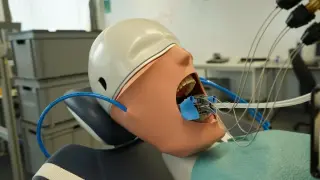
A miniature intraoral robot (MIR) being developed at the University of Basel attaches to a patient’s teeth via a splint to drill and prepare a crown, with larger components outside the mouth connected by a drive shaft. The goal is to reduce dentist visits by enabling crown orders at the first appointment, but the device is still in testing on fake teeth and will need sensors, a camera, and human trials before use.
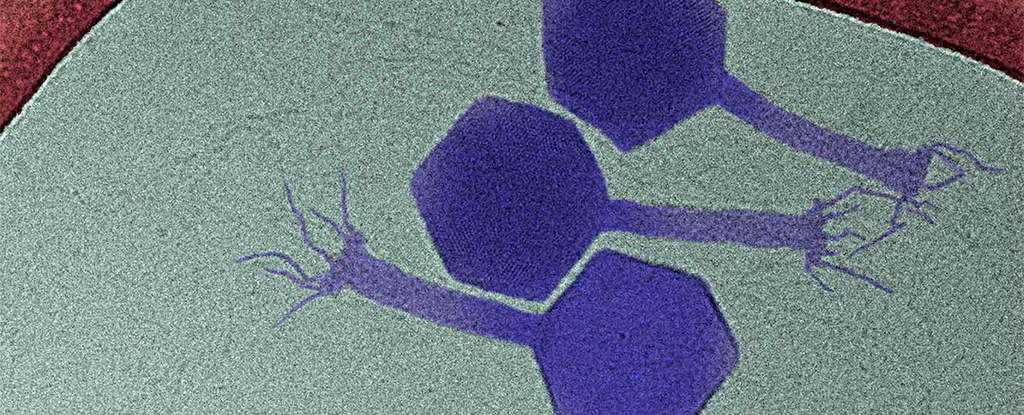
Researchers have discovered a virus, named Paride, that can target and kill dormant bacteria, including the dangerous Pseudomonas aeruginosa, when combined with the antibiotic meropenem. This breakthrough could offer a new strategy in the fight against drug-resistant bacteria, or superbugs, which are increasingly resistant to existing drugs. The virus seems to unlock the bacteria's defenses, allowing the antibiotic to effectively destroy it. While this discovery holds promise, further research is needed to fully understand and harness the potential of using bacteriophages to combat superbugs.
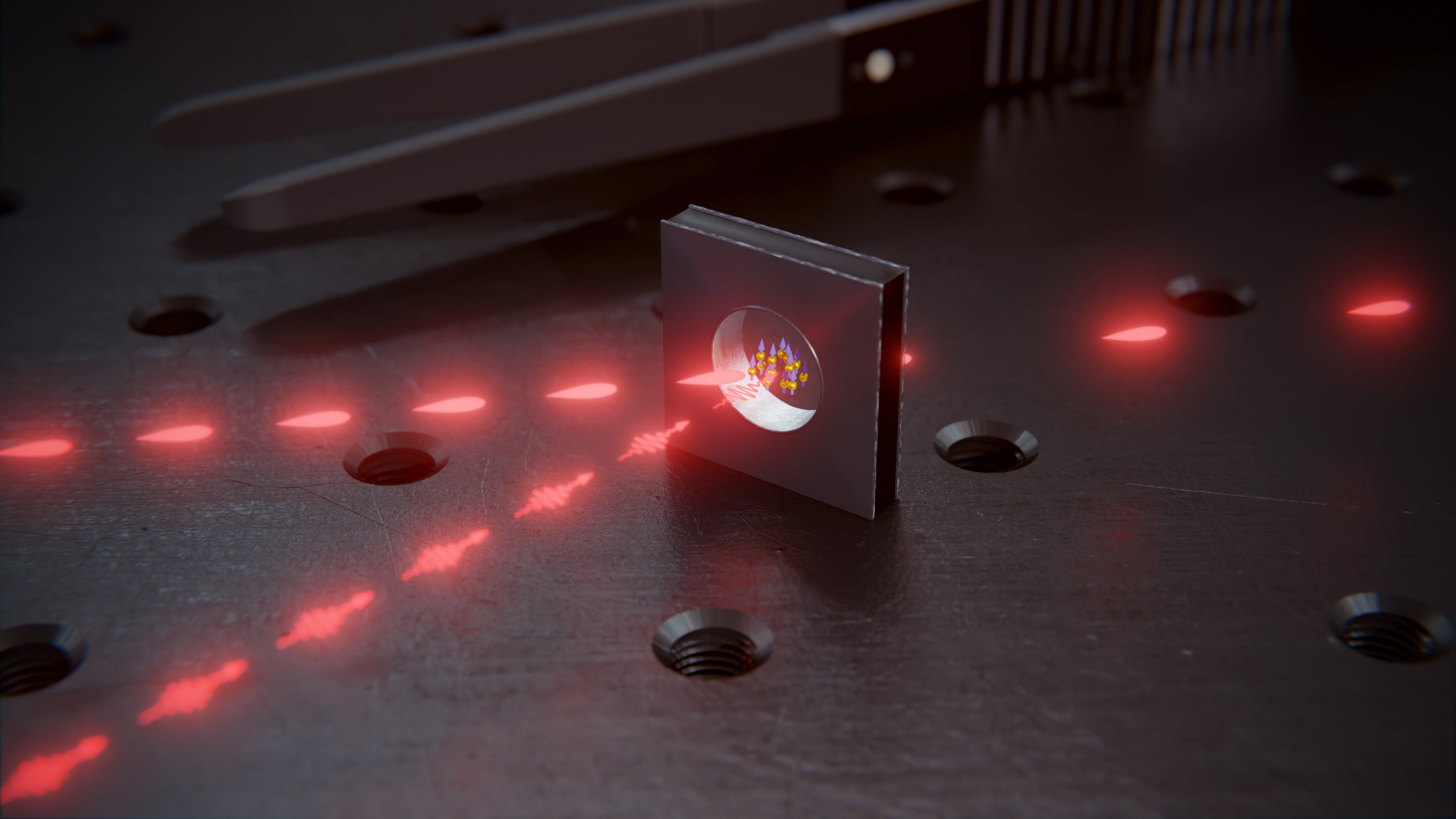
Researchers at the University of Basel have developed a mass-producible quantum memory element based on rubidium atoms in a tiny glass cell, which can store and retrieve light pulses. This miniature quantum memory, only a few millimeters in size, could be mass-produced on a wafer and is crucial for the development of quantum networks and technologies, enabling tap-proof message transmission and connecting quantum computers. The researchers achieved this by heating the cell to increase vapor pressure and exposing the atoms to a strong magnetic field, allowing for the storage of photons for around 100 nanoseconds.
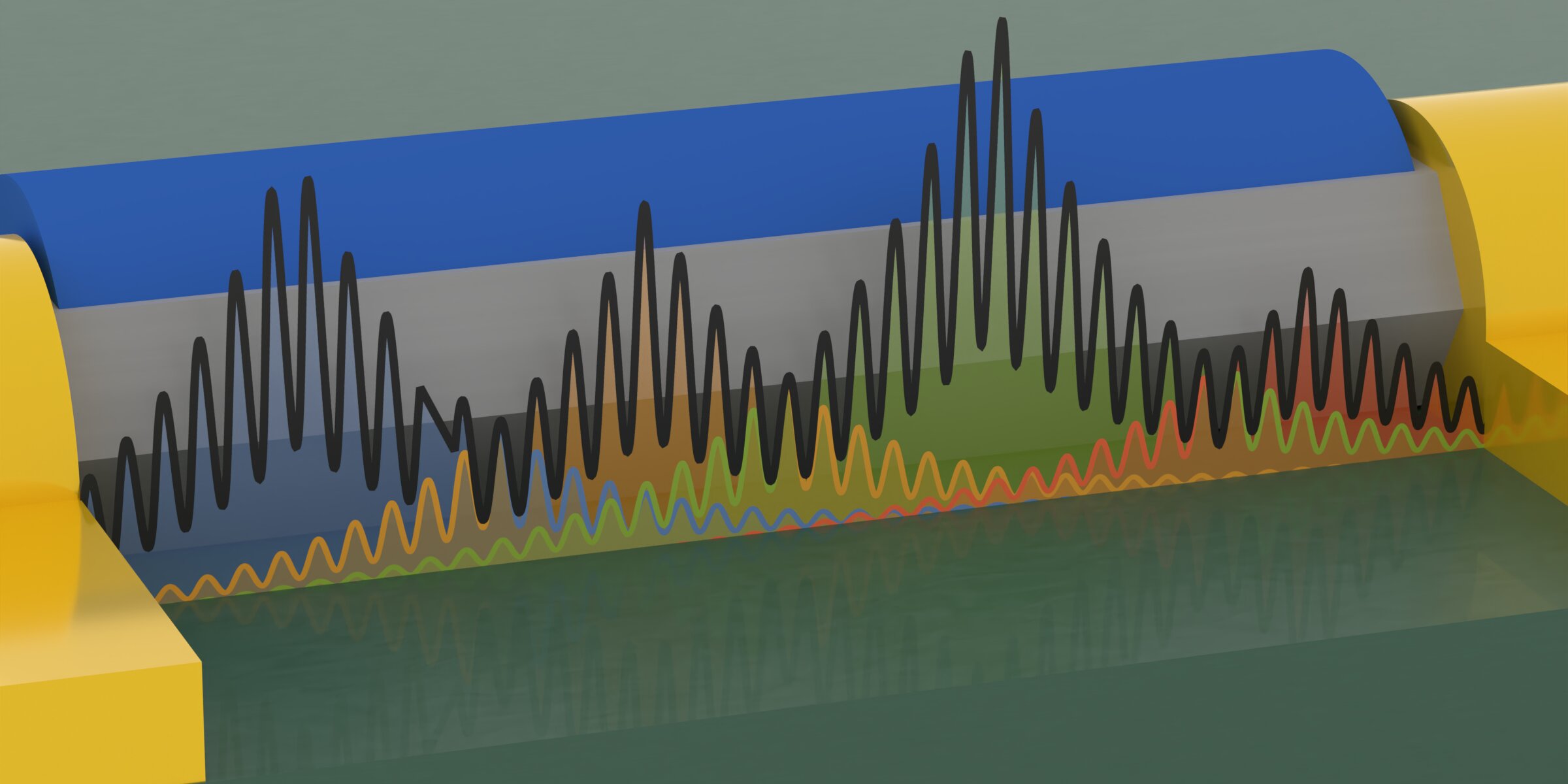
Researchers at the University of Basel have cast doubt on Microsoft's recent research results regarding the detection of Majorana particles, which could be used as particularly robust quantum bits in quantum computers. The Basel team showed that the findings could also be explained by other effects that have nothing to do with Majorana particles. The researchers concluded that both the current anomaly and the superconducting properties can be reproduced by a small amount of disorder from impurities inside the nanowire.