New Study Frames Honey Bee Colonies as Single Superorganisms with Distinct Life Cycles
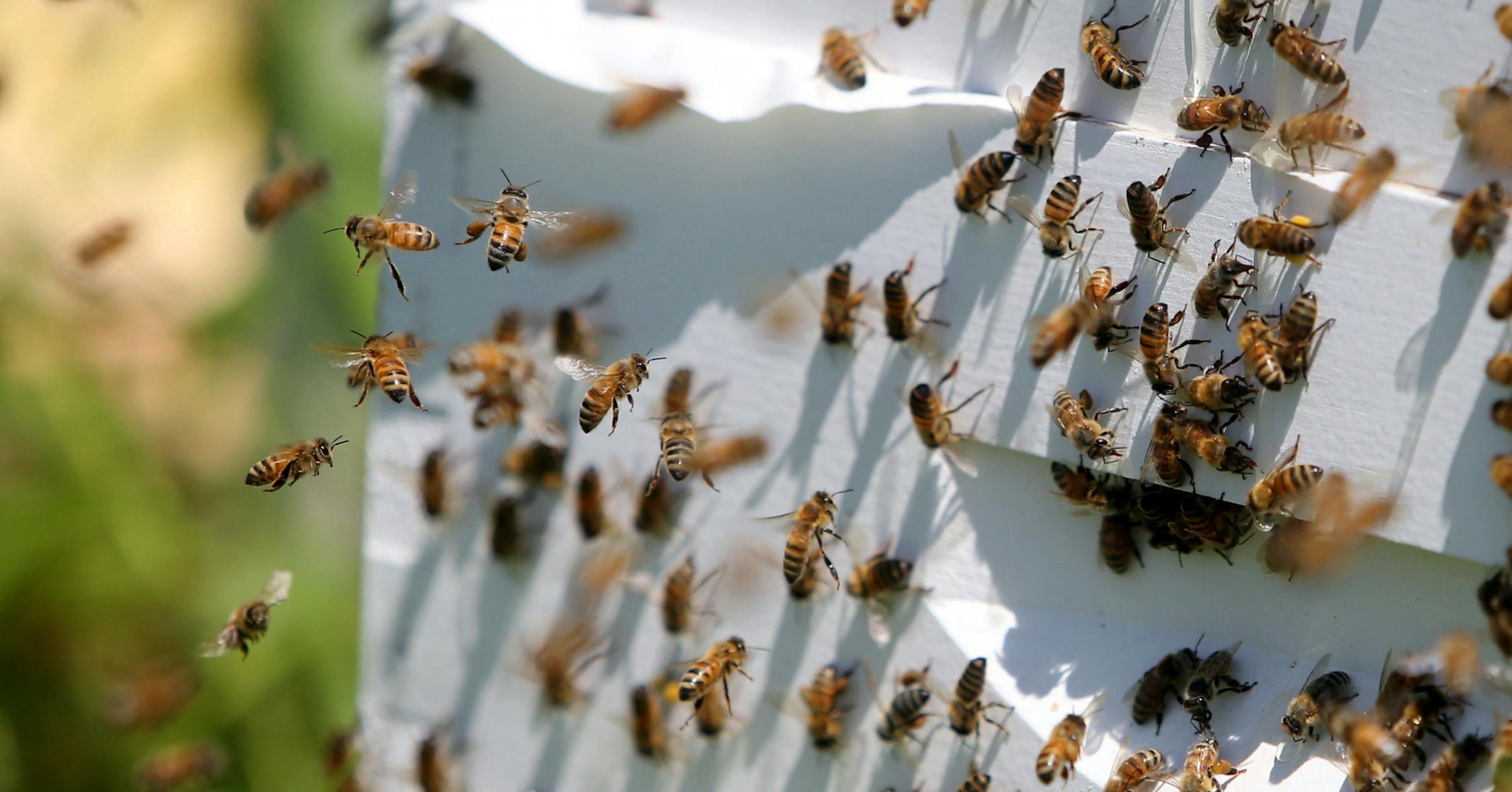
Researchers from Lund University and the University of Oulu argue that honey bee colonies function as single biological organisms rather than mere societies. Published in Insectes Sociaux, the study suggests colonies undergo distinct developmental stages, age, and die like mammals. This perspective implies that common beekeeping practices, such as replacing queens or preventing swarming, may disrupt natural reproductive cycles and parasite resistance, potentially requiring a shift in how beekeepers manage hive health and longevity.