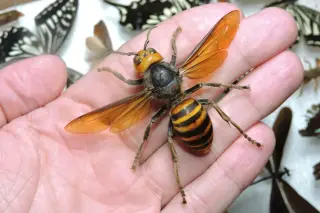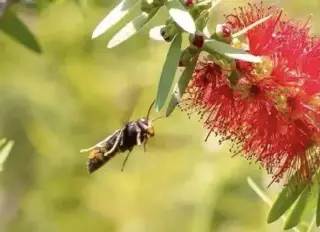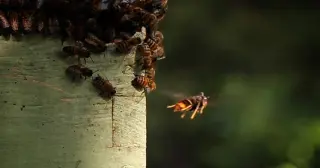
Asia-born yellow-legged hornets ignite high-stakes battle to defend South Carolina bees
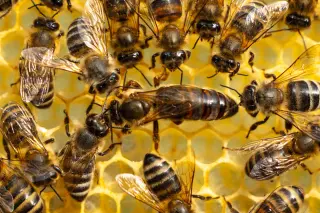
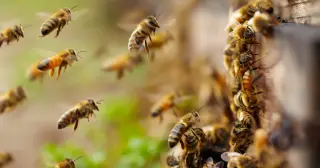
An invasion of Asia-origin yellow-legged hornets in South Carolina’s Lowcountry is decimating honeybee colonies and prompting a Clemson-led response to erase nests, kill queens with 'Georgia juice' bait, and deploy climbers and exterminators. The effort has destroyed hundreds of nests since 2024, but eradication is costly and dangerous, and spread to nearby regions remains a concern as public reports guide the work.