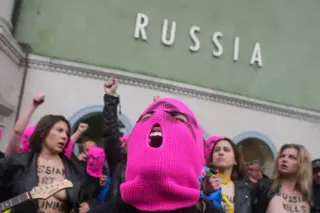
Artists at the Venice Biennale are threatening legal action over a controversial voting process, demanding that certain names be removed from a visitors’ ballot as protests flare over Russia’s presence at the 2026 event, including demonstrations by Pussy Riot and FEMEN.
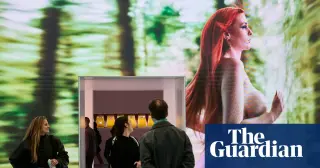
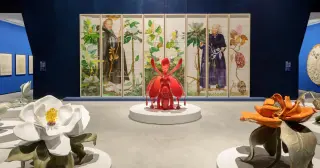
Venice Biennale 2026 fused provocation (nudity and scent-based works) with political tension over Russia (Pussy Riot protests), while avoiding overt woke aesthetics. Maritime-themed pieces and notable off-site video works stood out, all amid an unfinished impression of lead curator Koyo Kouoh’s passing as 99 nations participated, including first-timers Somalia and Qatar.
Critic Murray Whyte argues the United States faces a high-stakes test at the Venice Biennale this year, with Alma Allen as the official entry and a late, controversial State Department–led commission; amid an open letter calling to exclude the U.S. and a resigning jury, the event is framed as a potential humiliation on the world stage rather than a triumph for American culture.
Russia’s return to the Venice Biennale and Israel’s continued presence amid protests exposes the clash between artistic neutrality and political power, with jurors resigning after a bid to exclude leaders charged with crimes, underscoring how geopolitics now dominates the art world.
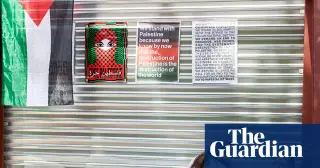
On the final day of Venice Biennale previews, a strike organized by the Art Not Genocide Alliance led to several national pavilions closing or partially closing in protest of Israel's inclusion in the 2026 edition, including Belgium, the Netherlands, Austria (whose standout work remained closed all day), Japan, North Macedonia and Korea; others briefly opened or closed later. Some artists added pro-Palestinian references to their works, with posters outside pavilions and a British pavilion sign noting a temporary closure. The Israeli pavilion was closed for a private event. The episode continues a pattern of protests surrounding the biennale.
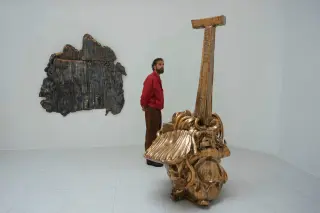
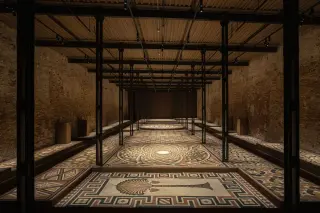
Venice Biennale 2026’s main exhibition, 'In Minor Keys,' curated by the late Koyo Kouoh, centers six artists—Cauleen Smith; Maria Magdalena Campos-Pons; Tiona Nekkia McClodden; Alfredo Jaar; Walid Raad; Kaloki Nyamai—whose restrained, atmospheric works explore memory, loss, and cross-generational bonds while reflecting on the geopolitics of minerals, with installations and multimedia pieces that emphasize quiet resilience amid global disruption.
The 61st Venice Biennale opens amid geopolitical drama, with Russia resuming its pavilion and Finland limiting participation, as conflicts in the Middle East and other global tensions overshadow the art on display and shape the Biennale’s discourse.
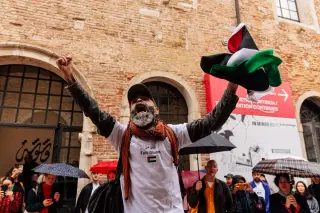
An unprecedented 24-hour strike will interrupt the Venice Biennale’s opening week to protest Israel’s participation, highlighting long-running tensions over which nations should be represented and the political role of art. Organized by the Art Not Genocide Alliance (ANGA) and signed by hundreds of artists, curators, and workers, the action puts pavilion teams in a bind—some, like Slovenia’s, plan to dim installations and stream Palestinian radio, while others weigh the strike against the event’s visibility. The Biennale says it will not coordinate the protest and will proceed with its program, though critics view it as a governance crisis. Protests have already occurred outside Israel’s and Russia’s pavilions, with Pussy Riot drawing further attention to Russia’s return to Venice.
A letter argues that allowing Russia to participate in the Venice Biennale could breach EU sanctions if the pavilion is state-owned and provides indirect economic benefits, stressing that cultural institutions must align with legal instruments rather than claim neutrality; the issue is about distinguishing independent cultural expression from state-backed participation and preserving the credibility of European-funded platforms.
Pussy Riot and FEMEN interrupted the Venice Biennale to condemn Russia’s return as part of hybrid warfare, while the European Commission warned of possible funding cuts and critics debated the fair’s political direction amid broader tensions tied to Israel and the event’s governance.
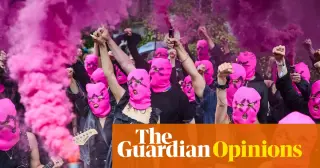
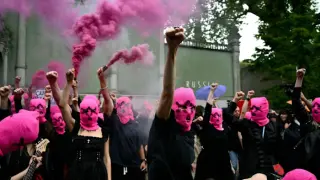
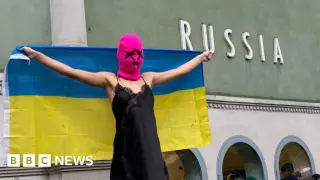
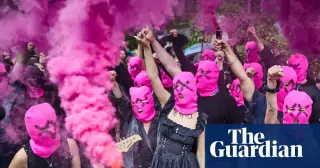
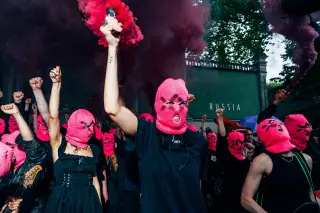
Activists from Pussy Riot disrupted the Russian pavilion at the Venice Biennale, wearing pink balaclavas, lighting colored flares, and chanting slogans, forcing a brief closure as police blocked entry; a Ukrainian flag was wrapped around a statue outside, Nadya Tolokonnikova called on Europe to halt Russian funding and offered to curate the 2028 pavilion, in a climate of politically charged demonstrations at the fair.
Pussy Riot and Femen stormed the Kremlin-linked Russian pavilion at the Venice Biennale on May 6, with about 50 Pussy Riot members in pink ski masks performing the song “Disobey” and Femen activists firing blue and yellow smoke with Ukrainian flags. Police tackled several protestors as the two feminist groups publicly joined forces for the first time. The pavilion’s Kremlin funding and links to Russia’s military-industrial complex drew scrutiny, while Pussy Riot’s Nadya Tolokonnikova and Inna Shevchenko framed the action as a bold stand against Russia’s war, criticizing the use of culture for political ends and urging attention to political prisoners.
Strikes across eastern Ukraine have raised the death toll to at least 27, with attacks on Zaporizhzhia, Kramatorsk, Dnipro and Poltava; Kyiv proposed an open-ended ceasefire starting at midnight, while Russia announced a separate 8-9 May truce for WWII commemorations. In Crimea, a Ukrainian drone attack killed five civilians. At the Venice Biennale, the Russian pavilion opens only for previews amid controversy over Russia’s participation. The US approved a $373.6 million sale of JDAMs to Ukraine, and Finland reported suspected Ukrainian-origin drones crossing its airspace near the Gulf of Finland.
Anish Kapoor urged excluding the United States from the Venice Biennale, calling its politics hateful and its warmongering ongoing, while praising the jury's resignation over Israel and Russia. The US pavilion, led by Alma Allen, faced scrutiny over Trump-era interference and the requirement to reflect American values, as protests around Israeli and Russian pavilions and funding tensions heighten a politically charged edition.
The entire international Venice Biennale jury resigned in protest of Russia’s return to the pavilion amid geopolitical tensions and sanctions. In response, the Biennale will revamp its awards so visitors can vote on two Golden Lion prizes—best international participant and best national artist—on the exhibition’s final day, with participation open to all countries including Russia and Israel; the EU has signaled funding cuts and ongoing scrutiny by Italian authorities.