Tag

Viviparity

All articles tagged with #viviparity

Fossil Evidence Suggests Live Birth Emerged 90 Million Years Earlier Than Thought
paleontology3 months ago

Fossil Evidence Suggests Live Birth Emerged 90 Million Years Earlier Than Thought

A 236-million-year-old cynodont fossil from Argentina provides the earliest evidence of live birth, pushing the origin of viviparity back by up to 95 million years. Researchers identified a 'neonatal line' in the bone, indicating the animal was born at 10-20% of its adult weight, a ratio consistent with modern placental mammals rather than egg-laying reptiles. This challenges the assumption that all non-mammalian cynodonts laid eggs and suggests live birth may have evolved earlier in the mammalian lineage than previously believed.
Oldest Amniote Embryos Hint Early Reptiles Gave Birth Alive
science6 months ago

Oldest Amniote Embryos Hint Early Reptiles Gave Birth Alive

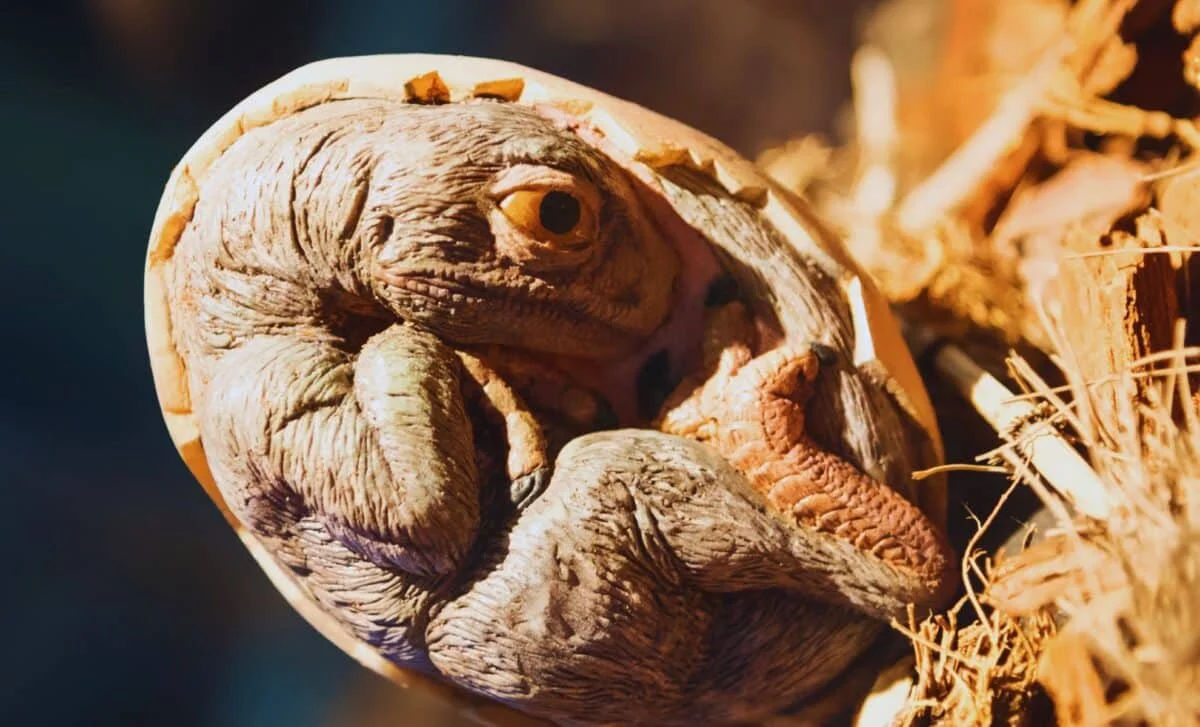
Brazilian and Uruguayan fossils from the Early Permian reveal 280-million-year-old mesosaur embryos preserved inside adults and an isolated egg, suggesting mesosaurs may have retained embryos in the uterus or laid eggs at late development; this finding pushes the oldest known amniote embryos and earliest viviparity back by about 60 million years, offering rare insights into reproduction and potential parental care in Paleozoic reptiles.

Oldest Mesosaur Embryos Hint at Early Live Birth in Reptiles
science9 months ago

Oldest Mesosaur Embryos Hint at Early Live Birth in Reptiles

Researchers report 280-million-year-old mesosaur embryos from Brazil and Uruguay, providing the oldest direct evidence that these ancient aquatic reptiles could give birth to live young, pushing the origin of viviparity back about 60 million years; findings also indicate potential parental care, with some fossils suggesting a mixed strategy where at least one egg was found at an advanced stage of development.

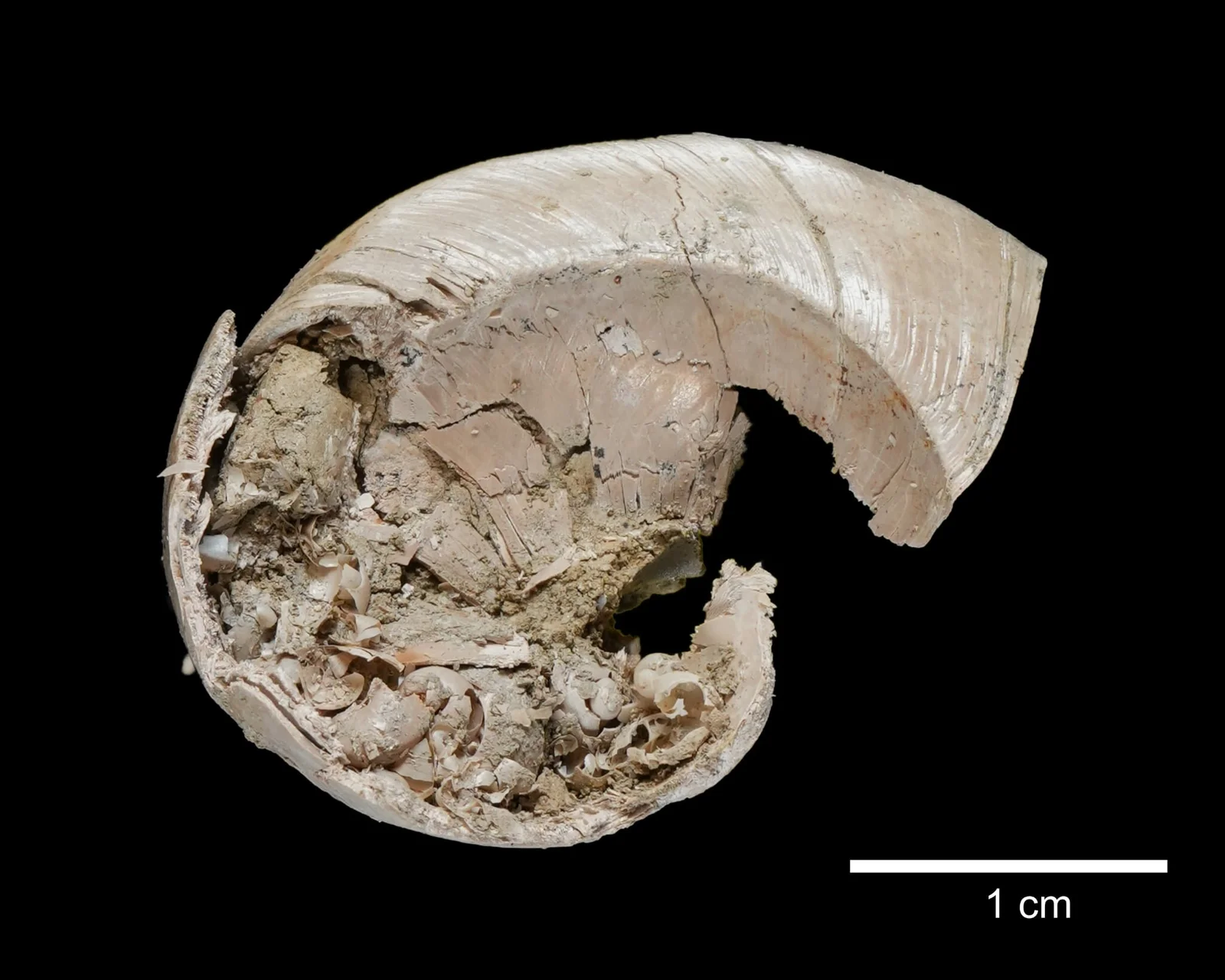
Baby Sea Snail Fossil Found Inside Mother’s Shell
science1 year ago

Baby Sea Snail Fossil Found Inside Mother’s Shell

Researchers in Taiwan discovered the first fossils of five freshwater mollusk species from the Early Pleistocene, including rare evidence of a juvenile snail shell inside its mother's shell, indicating ancient live birth behavior. This finding sheds light on the early biogeography and reproductive strategies of freshwater snails in East Asia, highlighting Taiwan's role as a migratory corridor during glacial periods and providing crucial insights into the evolution of freshwater biodiversity.