Tag

Water Systems

All articles tagged with #water systems

Kaiser Santa Clara Reports 18 Legionella Infections Linked to Water System
health21 days ago

Kaiser Santa Clara Reports 18 Legionella Infections Linked to Water System

Santa Clara County Public Health is investigating an outbreak of Legionella at Kaiser Permanente’s Santa Clara Medical Center, with at least 18 people infected. Legionella grows in large, complex plumbing and is spread by inhaling water droplets. The source has not yet been located; Kaiser is implementing additional water-treatment and preventive measures and says hospital operations continue normally. Health officials say the overall risk to the broader community is low, though Legionnaires’ disease can cause pneumonia, particularly in older adults or immunocompromised individuals; treatment is with antibiotics and most patients recover.

NC Warns of Legionnaires' Disease Spike, Urges Water-System Precautions
health1 month ago

NC Warns of Legionnaires' Disease Spike, Urges Water-System Precautions

North Carolina health officials warn of a rise in Legionnaires' disease cases, a severe pneumonia caused by Legionella, with cases up by over 100 from 2024 to 2025. Symptoms can include fever, headache, cough, shortness of breath, and confusion. Prevention centers on monitoring and disinfecting water systems, including flushing unused taps, maintaining hot tubs, cleaning humidifiers and CPAP equipment, and following manufacturers' guidance.

Global threat grows as hardy amoebae hitchhike into water systems
science4 months ago

Global threat grows as hardy amoebae hitchhike into water systems

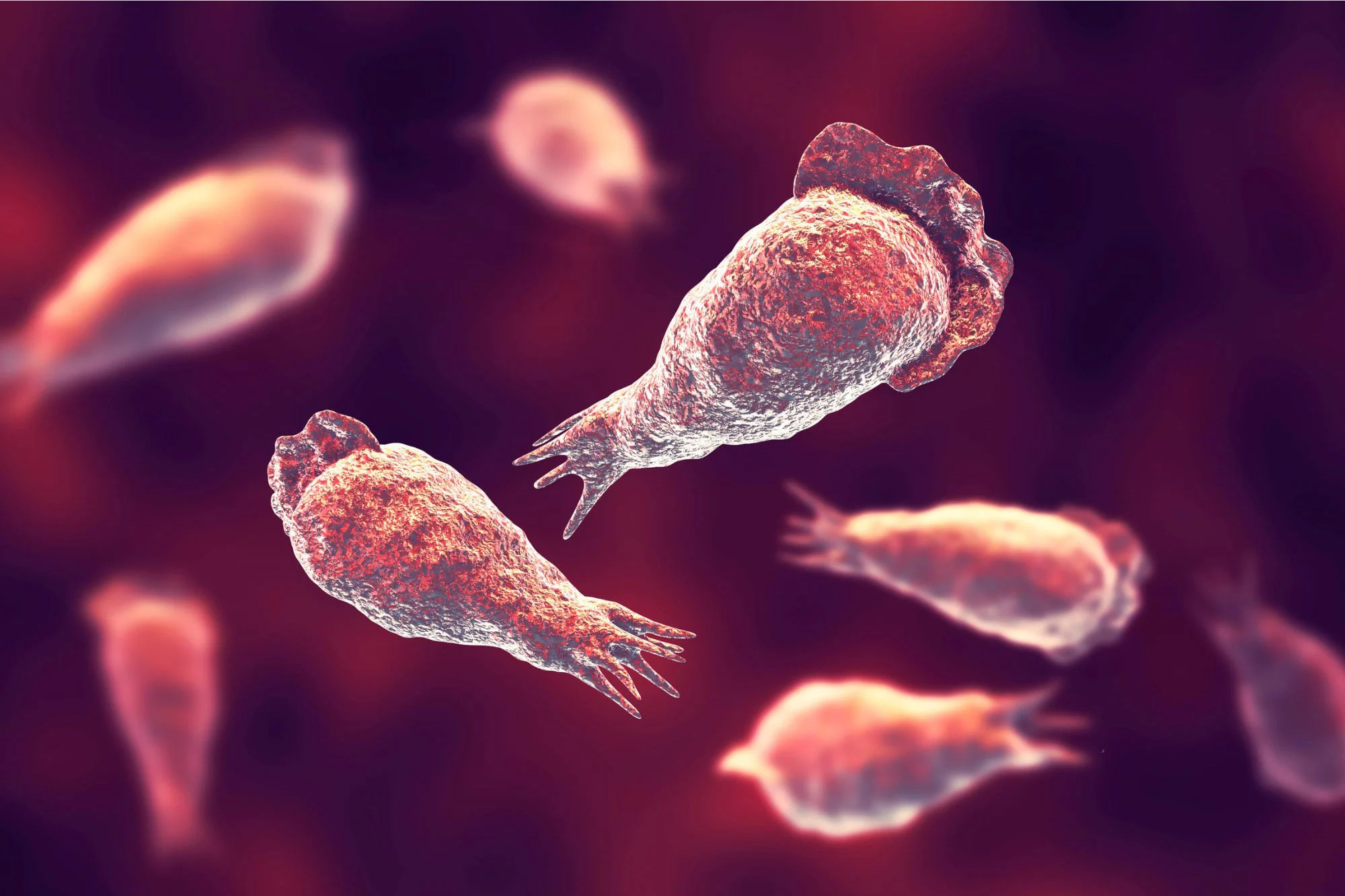
Scientists warn that free-living amoebae, some of which resist heat and disinfectants, are spreading globally and can shelter dangerous bacteria and viruses, raising risks for drinking and recreational water. Climate change may push these organisms into new regions, making water management and monitoring harder. The authors call for a One Health approach—strengthening surveillance, diagnostics, and advanced water treatment—to reduce infections before they occur.

NYC Legionnaires' Outbreak: 3 Dead, Dozens Sickened in Harlem Cluster
health9 months ago

NYC Legionnaires' Outbreak: 3 Dead, Dozens Sickened in Harlem Cluster

A Legionnaires' disease outbreak in Harlem, NYC has resulted in 3 deaths and over 60 illnesses, linked to contaminated cooling towers. The disease is a severe pneumonia caused by Legionella bacteria, which spreads through inhaling contaminated water vapor from man-made water systems. Symptoms include cough, fever, and muscle aches, and it primarily affects those over 50, smokers, or individuals with health issues. Early diagnosis and antibiotics are effective treatments.

"Addressing PFAS Contamination: New Federal Limits and Expert Strategies"
environment2 years ago

"Addressing PFAS Contamination: New Federal Limits and Expert Strategies"

Dozens of public water utility systems in Texas have reported exceeding the new federal limits for five "forever chemicals" in drinking water, known as PFAS. These chemicals, which do not break down and can persist in water and soil indefinitely, have been found in the blood of nearly 97% of all Americans and have been linked to serious health problems. The new EPA standards aim to reduce exposure for 100 million people nationwide and require water utilities to meet the limits within five years. However, the cost of removing PFAS from drinking water is expected to be substantial, and some cities are considering legal action against chemical manufacturers.

"Rising Concerns: 'Forever Chemicals' Contamination Spreads Across US Water Systems"
environment2 years ago

"Rising Concerns: 'Forever Chemicals' Contamination Spreads Across US Water Systems"

More than 600 water systems in the US have reported levels of PFAS, toxic "forever chemicals," above new EPA limits, affecting nearly 35 million people. The chemicals, used in various products, pose serious health risks and have been detected in water systems across the country. While some cities have exceeded the limits at higher rates, the EPA is phasing in the new standards over the next several years, with potential penalties for violations starting in five years. Meeting the new standards could cost billions, and while the Bipartisan Infrastructure Law includes funding to address PFAS contamination, ongoing maintenance costs may still pose challenges for many communities.

"Rising Concerns: PFAS Contamination in US Water Systems"
health-and-environment2 years ago

"Rising Concerns: PFAS Contamination in US Water Systems"

The Minnesota Department of Health has identified 22 water systems in the state with levels of PFAS (per- and polyfluoroalkyl substances) exceeding new federal limits, prompting the Environmental Protection Agency to set enforceable drinking water standards for six PFAS for the first time. These "forever chemicals" are found in various consumer products and have been linked to health issues. Some communities are receiving financial assistance to address the problem, while others face substantial costs. Minnesota clean water advocates and lawmakers are applauding the new federal standards, which come after the state passed a sweeping ban on the non-essential use of PFAS.

"Costly Compliance: Colorado and Maine Face New EPA Limits on 'Forever Chemicals' in Drinking Water"
environment2 years ago

"Costly Compliance: Colorado and Maine Face New EPA Limits on 'Forever Chemicals' in Drinking Water"

Twenty-nine water treatment facilities in Colorado, including those in cities like Brighton, Thornton, and Keenesburg, do not meet new federal limits on "forever chemicals" in their drinking water supplies, with costs estimated in the millions to clean the toxins. The Environmental Protection Agency has announced strict limits on the amount of these chemicals allowed in drinking water systems, estimating that 6% to 10% of public drinking water systems nationally may fall short. Colorado is set to receive $41 million from the EPA to test and clean drinking water. PFAS chemicals, used in various products, are toxic to humans and can contaminate water sources, leading to concerns and efforts to control their presence.

"White House Issues Warning on Cyberattacks Targeting US Water Systems"
cybersecurity2 years ago

"White House Issues Warning on Cyberattacks Targeting US Water Systems"

The Biden administration has warned governors about "disabling cyberattacks" targeting critical water and wastewater systems in the US by hostile foreign nations, citing recent incidents involving Iranian and Chinese-backed hacking groups. The administration urged water facilities to adopt rigorous cybersecurity practices and announced the formation of a Water Sector Cybersecurity Task Force to address vulnerabilities. A meeting is scheduled to discuss better securing the water sector's critical infrastructure, emphasizing the seriousness of these threats and the need for collaboration with state leaders.

"Biden Administration Alerts States to Cybersecurity Threats in Water Systems"
cybersecurity2 years ago

"Biden Administration Alerts States to Cybersecurity Threats in Water Systems"

The White House and EPA have issued a warning to governors about the increasing threat of cyberattacks on the country's water systems, urging them to bolster cybersecurity measures and establish a Water Sector Cybersecurity Task Force. Recent breaches by Iranian and Chinese state-backed hackers have highlighted the vulnerability of U.S. water infrastructure, prompting calls for enhanced collaboration between government entities and water systems to mitigate the risk of cyber attacks.

"Protecting US Water Systems: Addressing Cybersecurity Threats"
cybersecurity2 years ago

"Protecting US Water Systems: Addressing Cybersecurity Threats"

The White House and EPA have warned US governors about cyberattacks targeting water and wastewater systems across the country, urging them to improve cybersecurity defenses. The EPA plans to establish a task force to identify vulnerabilities and has invited state officials to discuss necessary cybersecurity improvements. Recent breaches by Iranian and Chinese hackers have raised concerns about the security of the US water sector, prompting the Biden administration to address the issue through regulation and federal support for cyberdefense technologies.