
Tag

Weathering

All articles tagged with #weathering

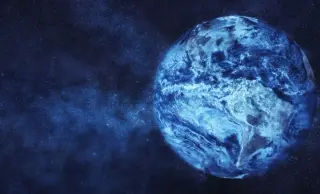
Sturtian Snowball Wasn’t One Long Freeze—It Repeatedly Thawed and Refroze
science19 days ago

Sturtian Snowball Wasn’t One Long Freeze—It Repeatedly Thawed and Refroze

Harvard researchers simulate the Sturtian glaciation (about 717–660 million years ago) as a cycle of glaciation and thaw driven by carbon-cycle feedbacks: volcanic CO₂ input and basalt weathering lowered CO₂ to trigger ice cover, while ongoing volcanism and reduced weathering during ice cover allowed CO₂ to build and melt, repeating for ~56 million years—reconciling the geological record and the survival of early aerobic life, with implications for exoplanet climates.
"Scientists Uncover Origins of Earth's Indestructible Continents"
science2 years ago

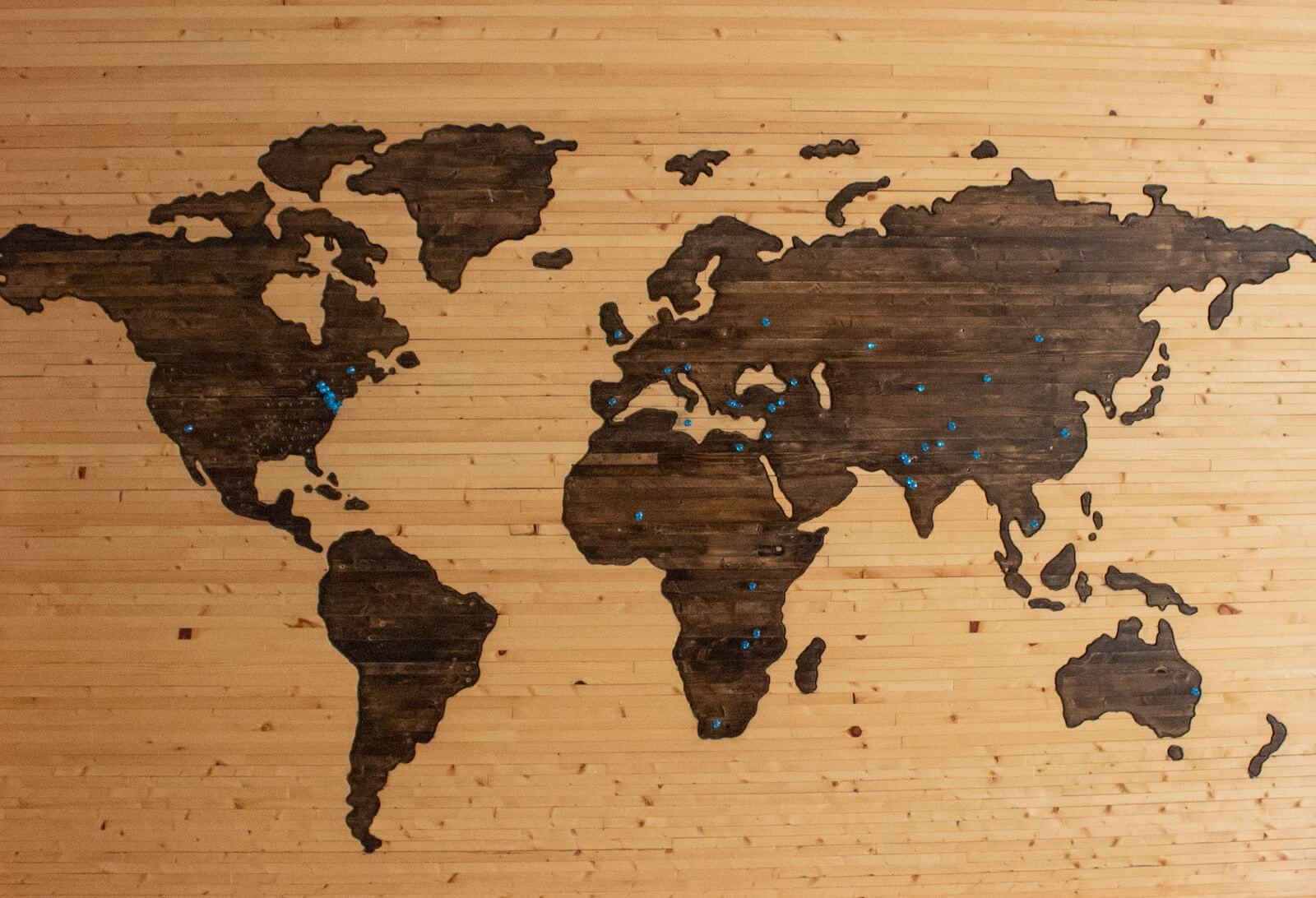
"Scientists Uncover Origins of Earth's Indestructible Continents"

Researchers at Penn State have discovered that ancient weathering processes played a crucial role in the formation and stabilization of Earth's cratons, the most indestructible parts of the planet's crust, during the Neoarchaean era. This weathering released heat-producing elements that, when buried and heated, led to the differentiation and stabilization of the continental crust, explaining the resilience of cratons and their importance in hosting valuable mineral deposits.

Poverty and Racism's Impact on Health: The 'Weathering' Case
health3 years ago

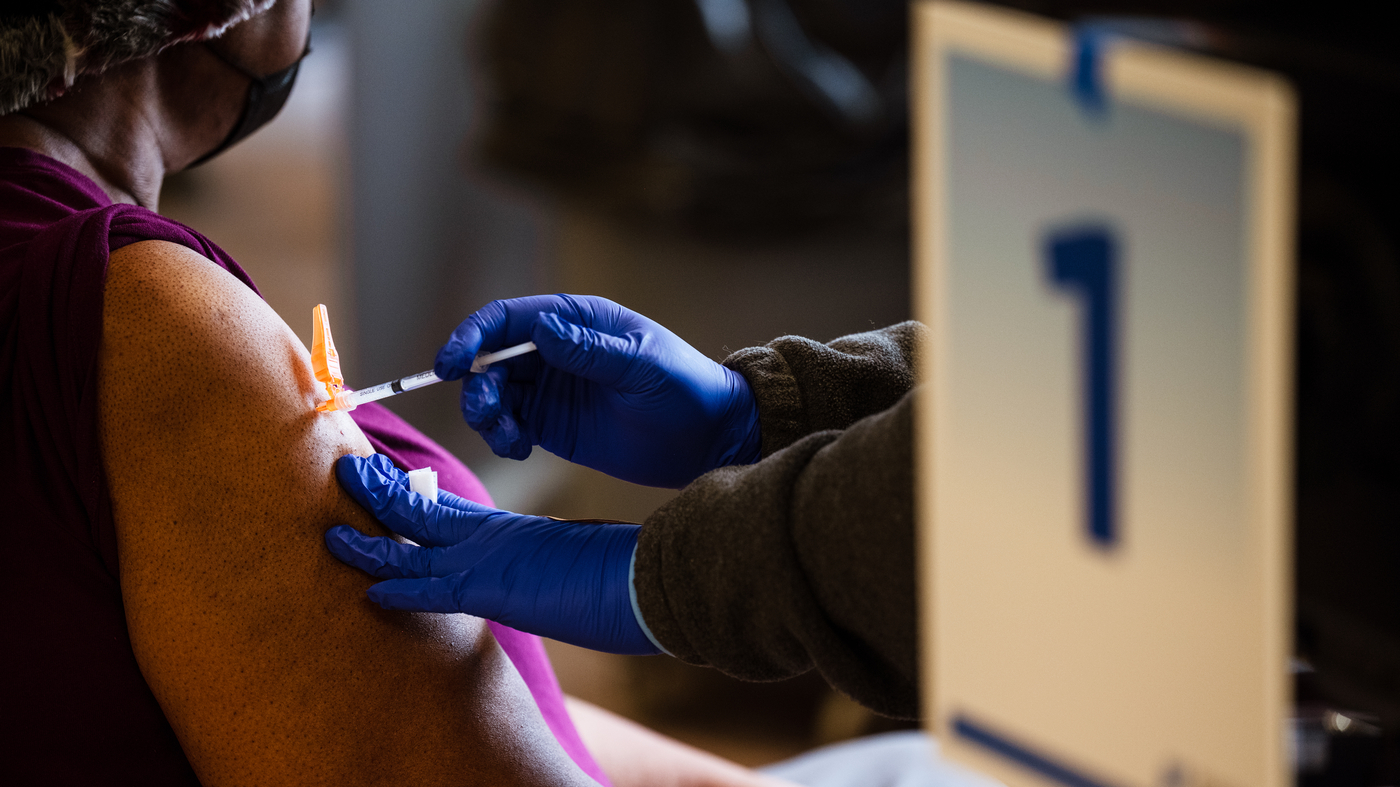
Poverty and Racism's Impact on Health: The 'Weathering' Case

Marginalized people in the US suffer nearly constant stress from living with poverty and discrimination, which damages their bodies at the cellular level and leads to increasingly serious health problems over time, according to public health researcher Arline Geronimus. She coined a term for this chronic stress — "weathering" — which "literally wears down your heart, your arteries, your neuroendocrine systems, ... all your body systems so that in effect, you become chronologically old at a young age." Marginalized communities have worse health outcomes than the overall population due to chronic stress, which is not the same as middle- and upper-class "stress."