Tag

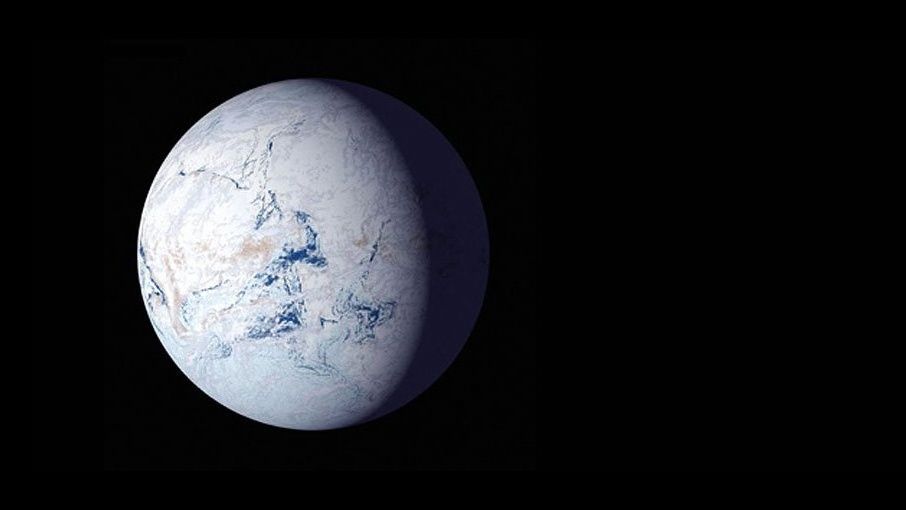
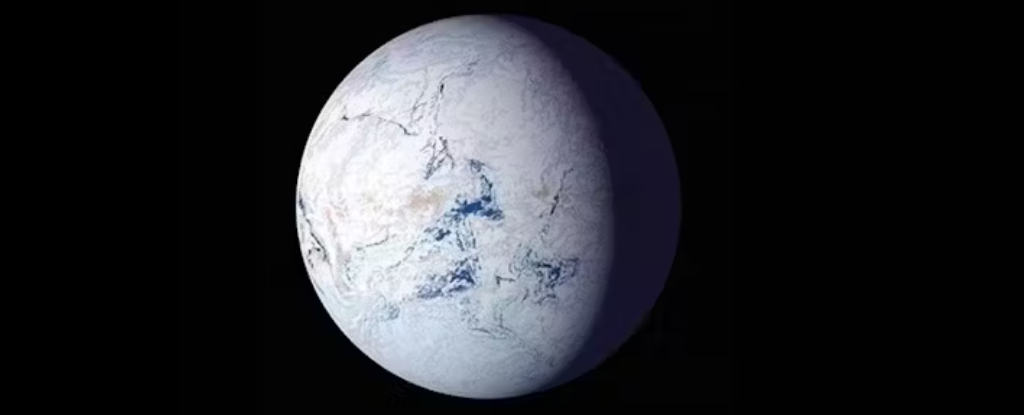
Snowball Earth

All articles tagged with #snowball earth

Mantle Convection and Ice Sheets Erase Earth’s Missing Billion-Year Rock Layer
science13 days ago

Mantle Convection and Ice Sheets Erase Earth’s Missing Billion-Year Rock Layer

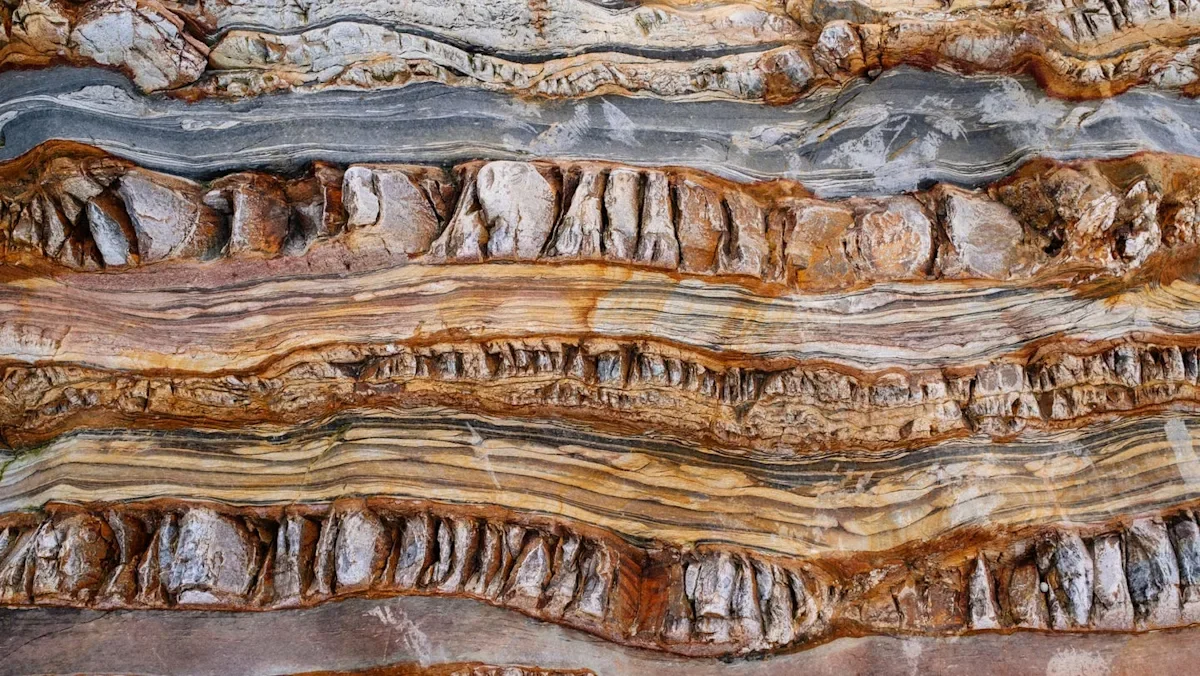
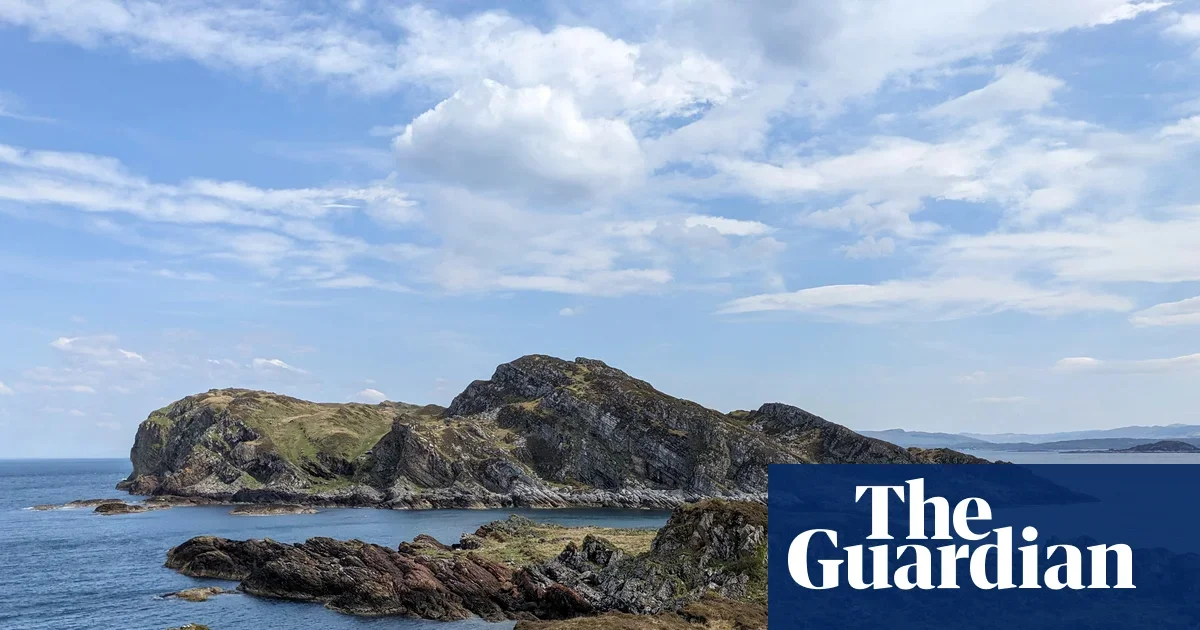
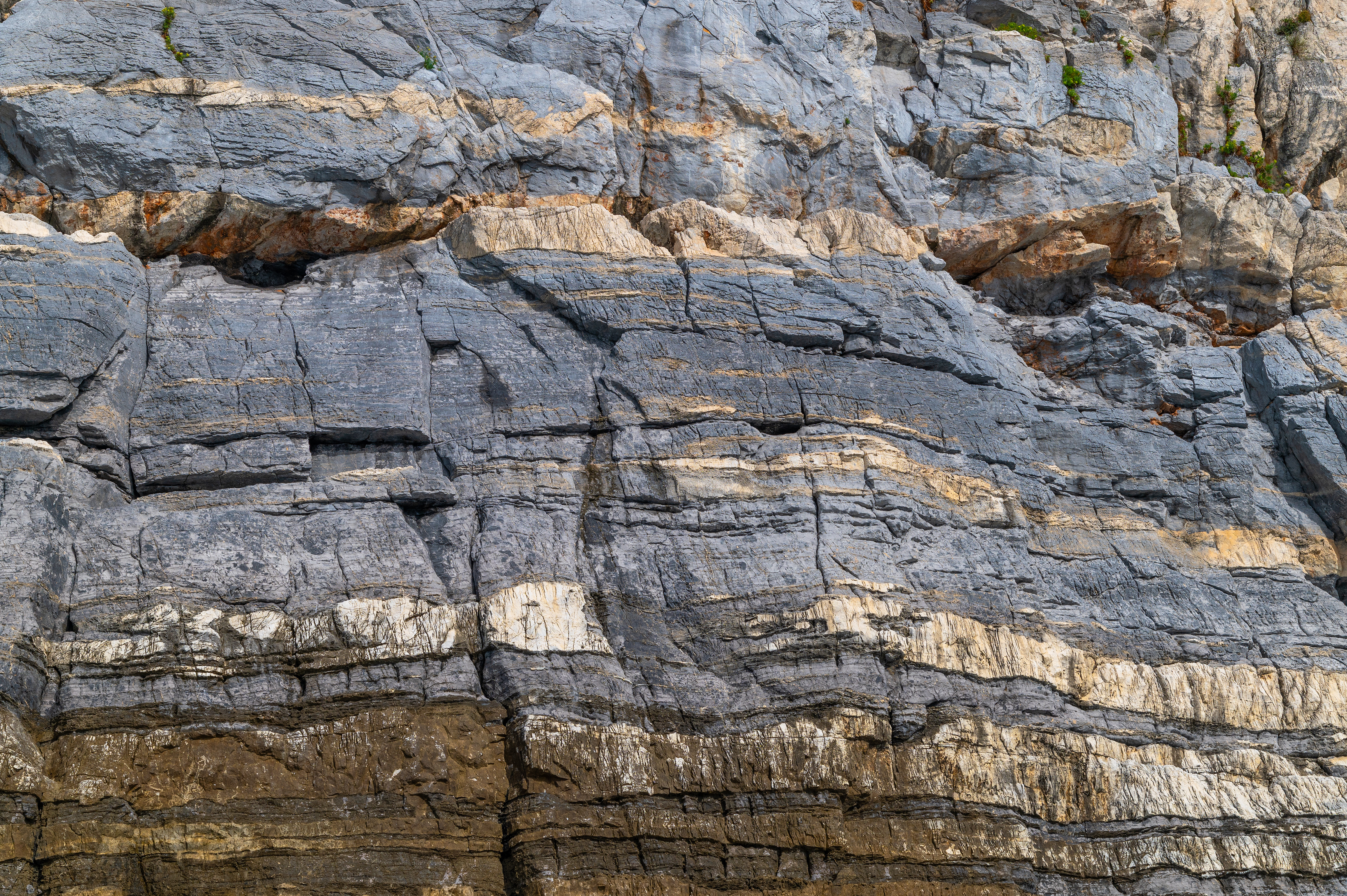
A new study in Nature resolves the 150-year mystery of the Great Unconformity, a massive gap in Earth’s rock record. Researchers from the University of Wollong propose that slow mantle convection lifted continents like Laurentia and Baltica, exposing them to glacial erosion during the Snowball Earth period. As these landmasses later subsided, new sediments buried the eroded surfaces, creating the distinct boundary seen today. This process explains why the gap is most prominent in North America and parts of northern Europe and China, while being less evident in Australia and South America.
Mantle Convection and Ice Sheets Erased Earth's Missing Billion-Year Rock Layer
science16 days ago

Mantle Convection and Ice Sheets Erased Earth's Missing Billion-Year Rock Layer

A new study in Nature explains the Great Unconformity, a massive gap in Earth's rock record spanning up to a billion years. Researchers Nicolas Flament and Santosh Dhungana from the University of Wollongong propose that slow mantle convection lifted continents like Laurentia and Baltica, exposing them to glacial erosion during the Snowball Earth period. As these landmasses later subsided, new sediments buried the eroded surfaces, creating the distinct boundary seen today. This process explains why the gap is most prominent in North America and parts of northern Europe and China, while being less evident in Australia and South America.

Mantle Convection and Glaciation Likely Erased 1 Billion Years of Earth’s History
science17 days ago

Mantle Convection and Glaciation Likely Erased 1 Billion Years of Earth’s History

A new study in Nature proposes that deep Earth processes, specifically mantle convection, lifted continents like Laurentia, Baltica, and North China for hundreds of millions of years. This uplift exposed ancient rock to intense glacial erosion during the Snowball Earth period. Subsequent subsidence allowed oceans to flood the area, burying the eroded surface with new sediment. This mechanism explains the Great Unconformity, a massive gap in the geological record spanning up to 1 billion years, and may have contributed to the conditions for the Cambrian explosion of complex life.

Sturtian Snowball Wasn’t One Long Freeze—It Repeatedly Thawed and Refroze
science6 months ago

Sturtian Snowball Wasn’t One Long Freeze—It Repeatedly Thawed and Refroze

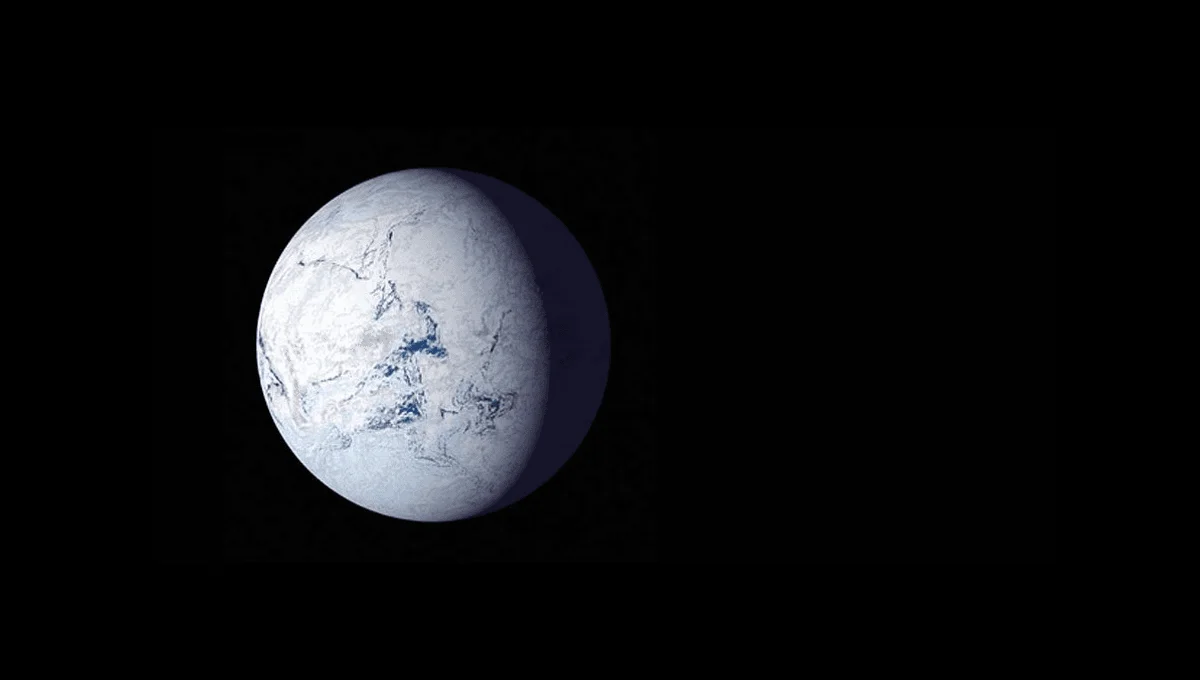
Harvard researchers simulate the Sturtian glaciation (about 717–660 million years ago) as a cycle of glaciation and thaw driven by carbon-cycle feedbacks: volcanic CO₂ input and basalt weathering lowered CO₂ to trigger ice cover, while ongoing volcanism and reduced weathering during ice cover allowed CO₂ to build and melt, repeating for ~56 million years—reconciling the geological record and the survival of early aerobic life, with implications for exoplanet climates.

Colorado Sandstones Reveal Earth's Ancient Ice Age
science2 years ago

Colorado Sandstones Reveal Earth's Ancient Ice Age

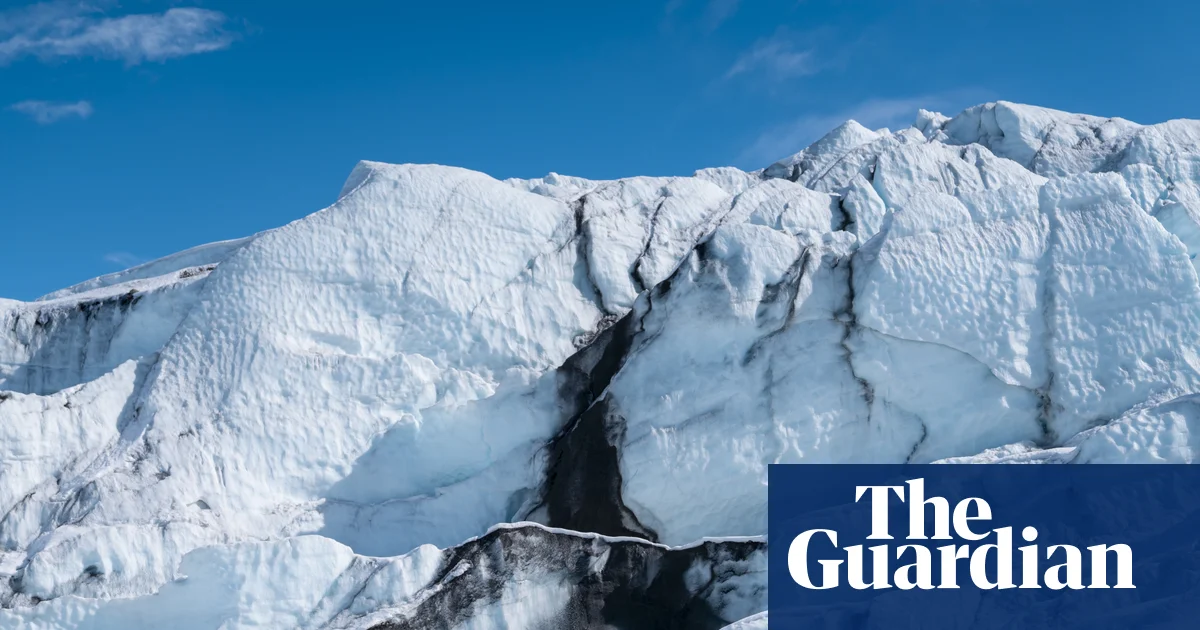
A study from the University of Colorado Boulder provides strong evidence supporting the Snowball Earth theory, suggesting Earth was once entirely frozen, even at the equator, between 720 and 635 million years ago. Researchers analyzed ancient rock formations in Colorado, finding that glaciers likely covered the planet, impacting early life and possibly facilitating the evolution of multicellular organisms. The study highlights the importance of geological research in understanding Earth's climatic history and its influence on life's evolution.

New Evidence Confirms 'Snowball Earth' Covered Entire Globe in Ice
science2 years ago

New Evidence Confirms 'Snowball Earth' Covered Entire Globe in Ice

Researchers have discovered glacial deposits in Colorado's Front Range, suggesting that during the Sturtian glaciation, around 660 to 700 million years ago, the region was covered by a massive ice sheet. These deposits, known as the Tavakaiv sandstones, contain hematite formed under specific conditions, indicating geothermal activity beneath the ice. This finding provides insight into the snowball Earth period, where even equatorial regions were glaciated, although conditions varied across different continents.

Earth's Ancient Ice Age: A Frozen Planet 600 Million Years Ago
science2 years ago

Earth's Ancient Ice Age: A Frozen Planet 600 Million Years Ago

New evidence from the Tava sandstones in Colorado supports the theory that Earth was entirely covered in ice during the "Snowball Earth" period, between 720 and 635 million years ago. This study provides the first physical evidence that glaciers reached the equator, suggesting a global ice coverage. The research, using laser ablation mass spectrometry, dated the rocks to 690-660 million years ago, aligning with the Snowball Earth phase. Understanding this period is crucial for insights into Earth's climate evolution and the emergence of multicellular life.

Colorado Rocks Confirm 'Snowball Earth' Ice Age Theory
science2 years ago

Colorado Rocks Confirm 'Snowball Earth' Ice Age Theory

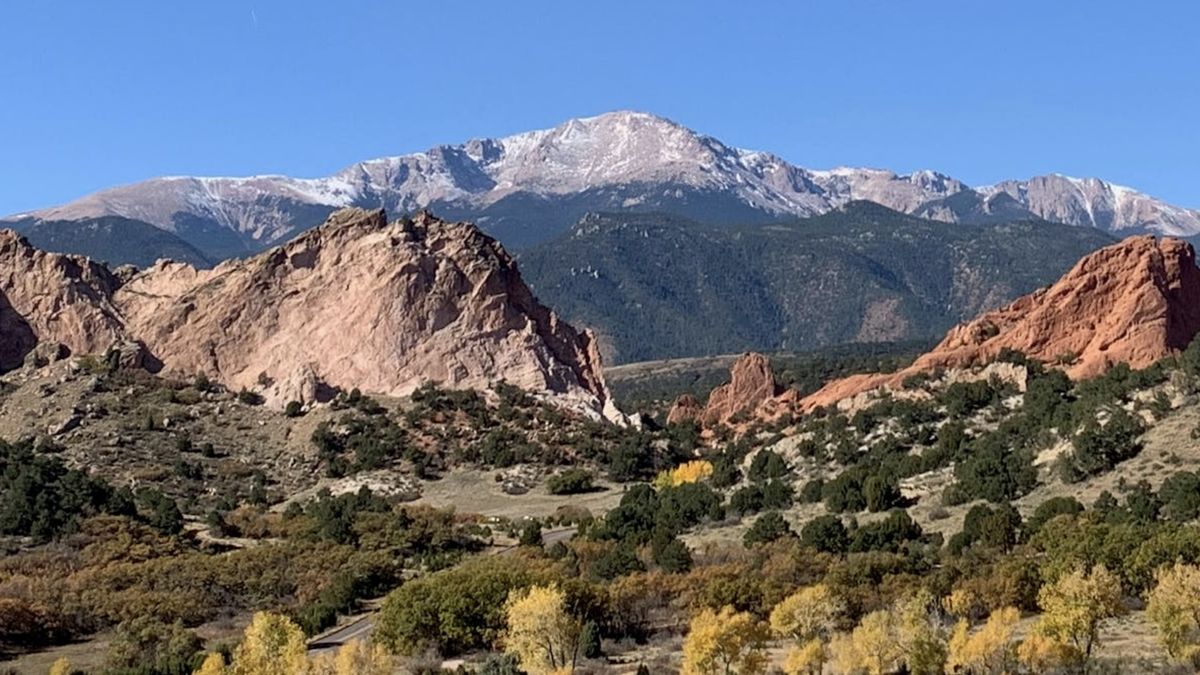
Geologists have discovered evidence in Colorado's Pikes Peak that supports the Snowball Earth hypothesis, which posits that Earth was once entirely covered in ice around 700 million years ago. The discovery involves pebbly sandstone, known as Tava injectites, formed by immense pressure from ice sheets during the Cryogenian Period. This finding provides crucial physical evidence of ice sheets covering equatorial regions, further cementing the Snowball Earth theory and offering insights into ancient climate conditions and geological processes.

Discovery Unveils Key Evidence for Snowball Earth Theory
science2 years ago

Discovery Unveils Key Evidence for Snowball Earth Theory

Researchers have discovered physical evidence supporting the Snowball Earth hypothesis, which suggests that Earth was once entirely covered in ice during the Cryogenian Period, around 700 million years ago. This evidence comes from pebbly sandstone formations found in Colorado's Pikes Peak, which were formed by sand injectites under immense pressure from ice sheets. The findings help date these formations to between 690 and 660 million years ago, providing new insights into Earth's climatic history and the processes that allowed life to survive and evolve during this global freeze.