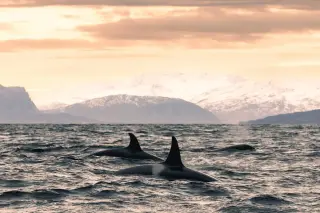
Whale Teeth Reveal 65-Year-Old Orca and Migration Patterns
Researchers used nuclear fallout traces in whale teeth to reconstruct life histories, identifying a 65-year-old male orca and confirming migration patterns for sperm whales.

All articles tagged with #whale conservation
Researchers used nuclear fallout traces in whale teeth to reconstruct life histories, identifying a 65-year-old male orca and confirming migration patterns for sperm whales.
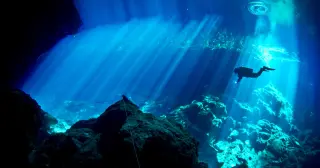
A six-year acoustic study from Monterey Bay shows humpback whale song frequency doubled while blue whale song fluctuated, highlighting how dietary flexibility impacts recovery from marine heat waves.
A recent aerial survey by the New England Aquarium documented over 2,000 marine animals in the Northeast Canyons and Seamount Marine National Monument, highlighting the region's exceptional biodiversity and the presence of endangered species.
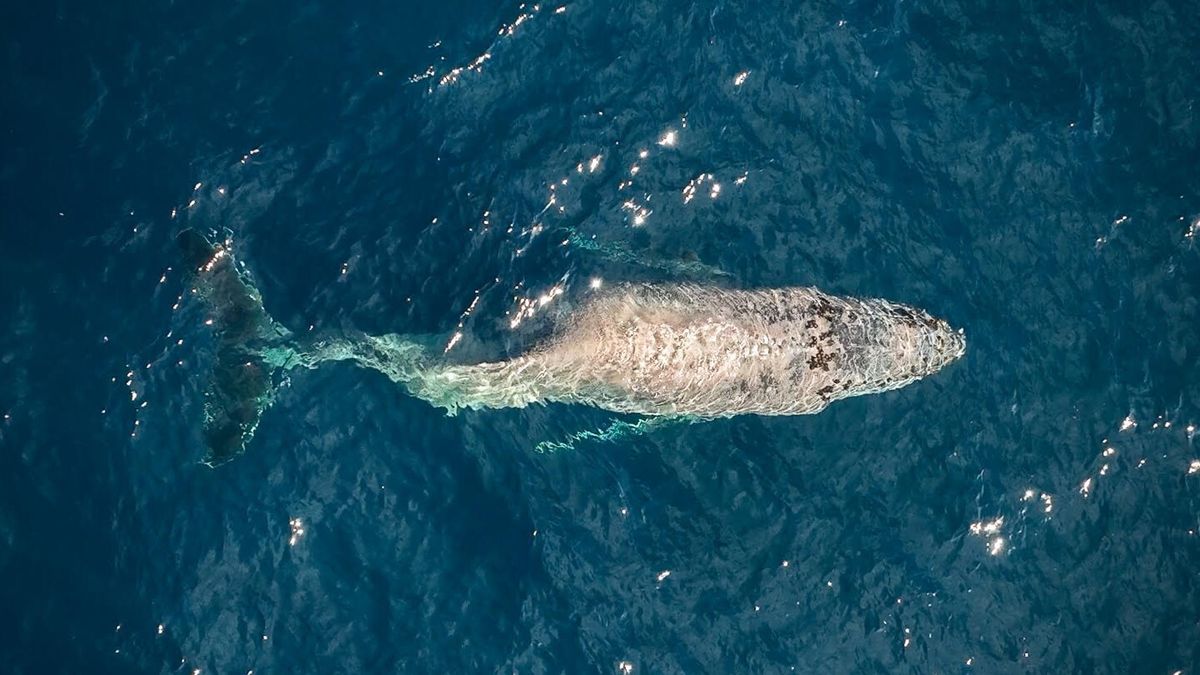
A humpback whale with a broken back, likely from a ship collision, was spotted off the coast of Baja California Sur, Mexico, and is expected to die from its injuries. The whale's ability to swim, feed, and survive is severely impacted, highlighting the threat of ship collisions to marine wildlife. Efforts to mitigate such incidents, including speed regulations for vessels, are in place, but more comprehensive measures are needed to prevent future whale deaths.
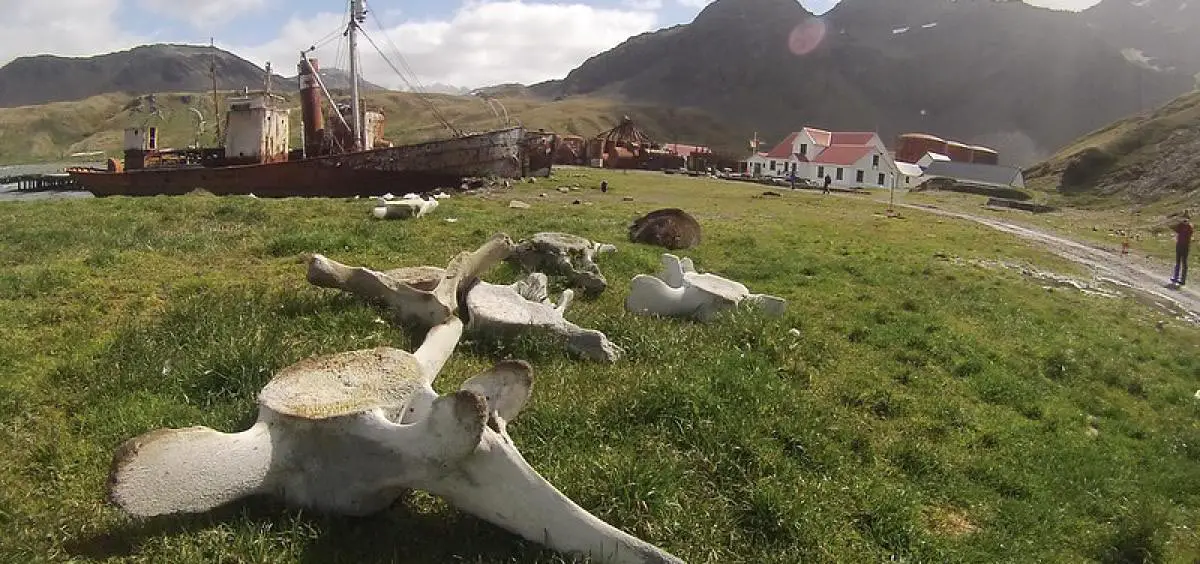
Research from Oregon State University reveals that 20th-century commercial whaling has had a lasting impact on the genetic diversity of surviving whale populations. DNA analysis of whale bones found on South Georgia Island, a former whaling hub, shows a loss of maternal DNA lineages among blue and humpback whales. This loss of genetic diversity highlights the importance of understanding and conserving the genetic history of whales. The study emphasizes the need to preserve genetic information from whales to reconstruct their history and aid in conservation efforts.