Western Europe’s late Neanderthals were diverse and interconnected, study finds
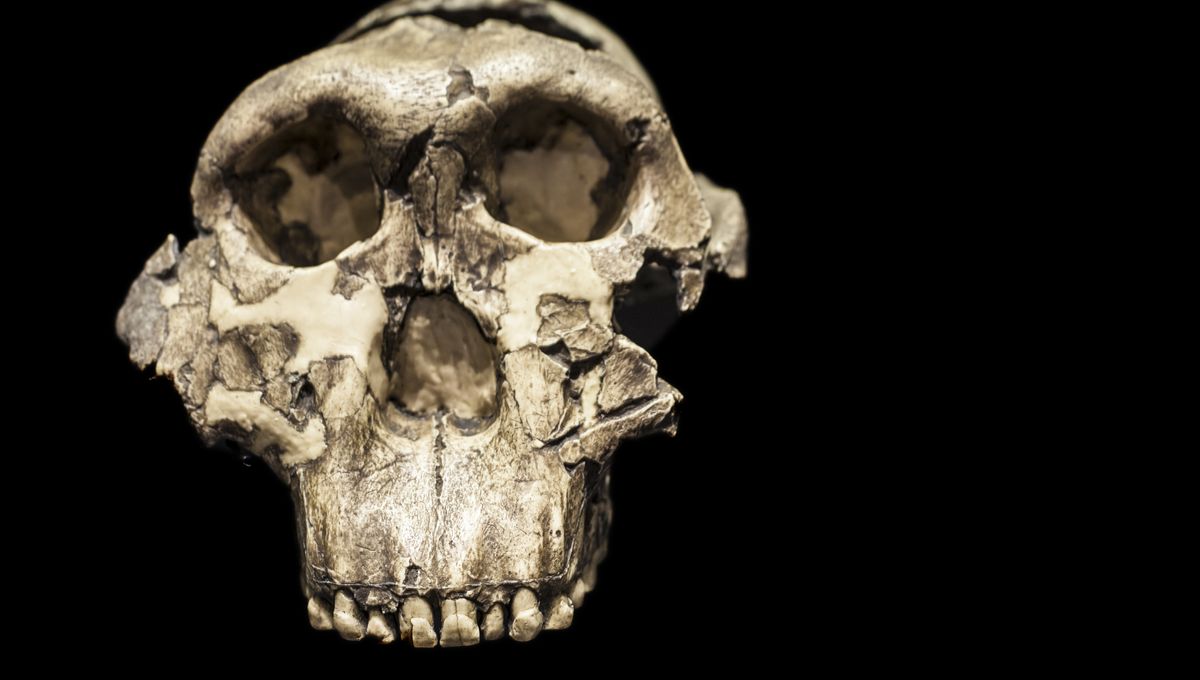
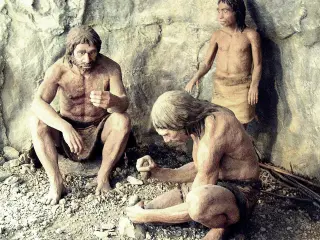
A Nature study analyzing genomes from 27 Neanderthals in Belgium and France—including a high-quality GN1 genome from Goyet—finds these late groups were genetically diverse and broadly connected across western Europe. The results challenge views of isolated, inbred populations and suggest regular long‑distance contact, with no evidence of recent interbreeding with modern humans in northwestern Europe. The data indicate a network of interconnected communities persisting until near the Neanderthals’ extinction around 52,500 years ago, while some older lineages persisted alongside newer ones.