
Gas prices plunge to eight-month low, but experts blame season, not politics
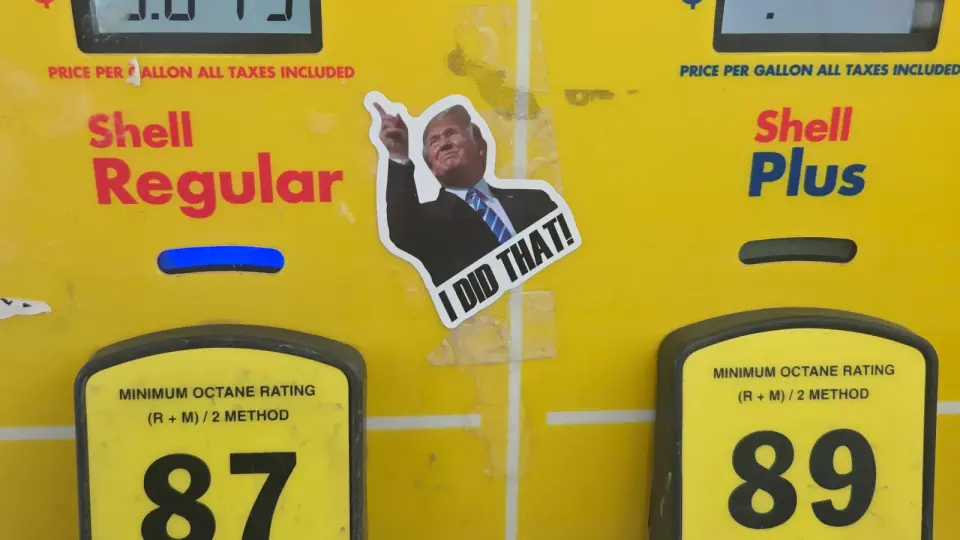
U.S. gasoline prices have dropped 57 cents in a month, marking the largest decline in nearly two decades. While President Trump attributes the fall to his post-election policies, analysts cite seasonal demand shifts and cheaper winter fuel blends as the primary drivers. Despite the recent drop, prices remain significantly higher than a year ago, and November 2026 remains the most expensive on record.
Key points
- The national average gas price fell from $4.29 to $3.72 per gallon between October 19 and November 19, 2026.
- This 57-cent drop is the largest one-month decline since 2008, though prices remain 63 cents higher than in November 2025.
- Experts attribute the decline to seasonal demand drops, refinery maintenance cycles, and the switch to cheaper winter-blend gasoline.
- President Trump claimed the drop was a result of his actions, but analysts note similar seasonal drops have occurred every year since 2006.
- Newly elected Democrats are considering suspending the federal gas tax to provide further relief to consumers.
Background
Gas prices surged to record highs in late 2026 due to the U.S.-Iran conflict, which disrupted oil flows through the Strait of Hormuz. This spike contributed to a historic Democratic victory in the November 3 midterms, as voters expressed frustration with high fuel costs. Prior to the recent drop, the national average had remained above $4 per gallon for months, significantly impacting consumer spending and presidential approval ratings.
How outlets are covering it
USA TODAY and CNN emphasize that the price drop is driven by seasonal factors and market dynamics, not political intervention. They note that while the decline is historically significant, prices remain elevated compared to previous years. Bloomberg highlights the broader energy market context, noting that while gasoline prices are falling, diesel costs remain high due to supply tightness. Yahoo Finance focuses on the financial impact for major oil companies, suggesting that the price drop signals a reversal of the windfall profits seen during the Iran conflict. All sources agree that the drop is substantial but do not view it as a return to normal pricing levels.
Why it matters
The recent drop in gas prices offers temporary relief to consumers but does not resolve the underlying issues of high energy costs. The timing of the drop, coinciding with the end of the midterm election cycle, has sparked debate about the role of politics in energy markets. As Democrats take control of Congress, there is increased pressure to address fuel affordability through legislative measures, such as suspending the federal gas tax. The situation also highlights the ongoing impact of geopolitical conflicts on global energy markets and consumer spending.
What to watch
Analysts expect gas prices to continue declining in the coming weeks, potentially reaching the mid-$3 range, unless there is a reescalation of the Iran conflict. The newly elected Democratic Congress is expected to propose measures to lower fuel costs, including the suspension of the federal gas tax. Oil companies are adjusting their earnings forecasts in response to the falling crude prices, with some expecting a significant decline in profits in the coming years. The situation will likely remain a key issue in the upcoming legislative session, as lawmakers seek to address consumer concerns about energy affordability.
- Trump upset 'biggest drop in gasoline in 18 years' came after election USA Today
- Gas prices take biggest 3-week dive since 2008 CNN
- Why Are Gasoline Prices Falling? Thank the Diesel Shortage Bloomberg.com
- Trump Cheers the “Biggest Drop in Gasoline in 18 Years.” Not Good for Exxon and Chevron Yahoo Finance
- Why is gas getting cheaper? WOODTV.com
Want the full story? Read the original reporting
Read on USA Today