
10-Year Treasury Yield Hits 4.9% as Oil Spike and Debt Concerns Outweigh Inflation Data
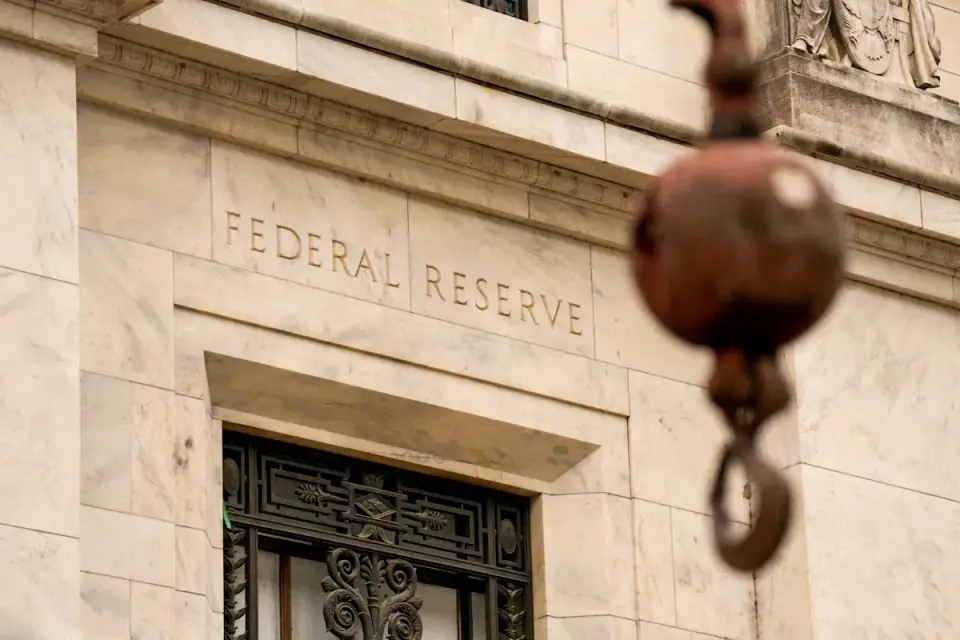
US Treasury yields reached multi-year highs on October 14, 2026, with the 10-year note hitting 4.908%, its highest level since November 2023. This surge was driven by crude oil prices exceeding $100 per barrel due to Middle East tensions, which raised inflation fears. These concerns overshadowed a recent wholesale price report showing core prices rose only 0.2% in August, slightly below expectations. The 2-year yield also peaked at 4.518%, while the 30-year yield climbed to 5.332%. Investors are now focusing on upcoming consumer price data and the Federal Reserve's next rate decision, as rising yields threaten to increase borrowing costs for mortgages and consumer loans.
Key points
- The 10-year Treasury yield reached 4.908%, its highest since November 2023, while the 2-year yield hit 4.518% and the 30-year yield rose to 5.332%.
- Crude oil prices surpassed $100 per barrel due to fears of prolonged conflict between the US and Iran, driving inflation concerns that outweighed recent economic data.
- August wholesale prices rose 0.4% overall, but core prices increased only 0.2%, slightly lower than the forecasted 0.3%, yet this did not calm bond markets.
- Treasury Secretary Scott Bessent announced a $6 billion buyback of longer-dated government bonds to stabilize the market, a move criticized by investor Stanley Druckenmiller as ineffective against fundamental market forces.
- Rising yields are expected to push mortgage rates higher, with the 30-year fixed rate already at 6.66% in late August, potentially impacting housing construction and consumer credit costs.
Background
This latest yield spike follows a volatile summer where the 10-year yield rose from 3.95% in February to 4.8% by late August. Previous coverage noted that mortgage rates had already climbed to 6.71% in early September as traders priced in a 50/50 chance of a Federal Reserve rate hike. The current market stress is compounded by the US national debt surpassing $40 trillion, a milestone that has heightened investor anxiety about long-term fiscal sustainability.
How outlets are covering it
CNBC emphasizes the immediate impact of oil prices and the recent wholesale inflation report, noting that the 10-year yield's rise to 4.908% was a direct reaction to energy costs and geopolitical risks. The Guardian provides a broader structural view, arguing that the bond market turmoil reflects deeper issues, including the US's record $40 trillion debt and the Federal Reserve's potential for rate hikes. While CNBC focuses on the daily market mechanics and the temporary calming effect of Treasury Secretary Bessent's $6 billion buyback, The Guardian highlights the failure of such interventions, citing Stanley Druckenmiller's criticism that governments cannot defend prices against fundamentals. Both outlets agree that rising yields will likely increase borrowing costs for consumers, but The Guardian places greater weight on the long-term consequences of inflationary policies and military conflict in the Middle East.
Why it matters
Rising Treasury yields directly influence the cost of borrowing across the economy. As the 10-year yield hits multi-year highs, mortgage rates are expected to rise further, potentially slowing home sales and construction. Higher yields also increase the cost of auto loans and credit card debt, which could strain consumers whose savings have been depleted by previous inflation. If the bond market sell-off continues, it may signal persistent inflation and force the Federal Reserve to maintain or raise interest rates, impacting broader economic growth and financial stability.
What to watch
Investors are closely watching consumer price data scheduled for release on Friday, which will provide clearer insights into the current inflation trajectory. This data will influence expectations for the Federal Reserve's interest rate decision in the following week. Additionally, the market will monitor the effectiveness of the Treasury's $6 billion bond buyback program and any further developments in Middle East tensions that could affect oil prices. If yields continue to rise, mortgage rates and other consumer loan costs are likely to increase, potentially dampening economic activity in the fourth quarter.
- Treasury yields rise as investors raise bets on Fed rate hike: AlphaCheck Yahoo Finance
- 10-year Treasury yield tops 4.9%, highest since 2023, as oil surge raises inflation fears CNBC
- Treasury yields surge toward the danger zone for stocks, as inflation pressures heat up MarketWatch
- What Are Bond Yields ‘Saying’ About Stocks? WSJ
- Trouble in US bond market could mean higher prices are here to stay The Guardian
Want the full story? Read the original reporting
Read on Yahoo Finance