
Fructose from Surviving Cancer Cells May Drive Ovarian Tumor Spread
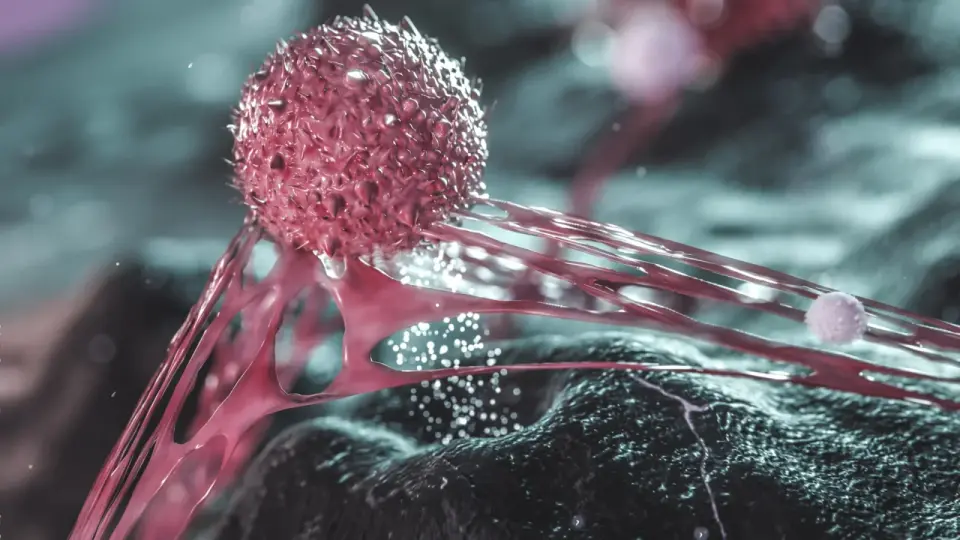
A study in Nature Aging reveals that fructose, a common dietary sugar, acts as a signal from chemotherapy-surviving ovarian cancer cells to promote metastasis. By suppressing cholesterol in neighboring cells, fructose weakens cellular adhesion, allowing tumors to spread. While the findings are preclinical, they suggest dietary fructose and statin use may influence cancer progression.
Key points
- Chemotherapy-surviving ovarian cancer cells release fructose, which signals neighboring cells to detach and spread.
- Fructose lowers cholesterol production in cancer cells, weakening the 'biological glue' that keeps them attached.
- High dietary fructose intake can promote cancer spread even without chemotherapy, according to The Wistar Institute.
- Statins, which lower cholesterol, may inadvertently weaken cell adhesion, raising questions about their use with chemotherapy.
- The mechanism may apply to other abdominal cancers, such as pancreatic, colon, and liver cancer.
Background
Ovarian cancer is typically treated with platinum-based chemotherapy, but recurrence is common, with metastasis accounting for roughly 90% of deaths. Previous research indicated that surviving cancer cells release signaling molecules, but the specific role of fructose in this process was not previously identified. Our archive from August 2026 noted early reports of this study, highlighting the link between fructose and reduced cellular adhesion.
How outlets are covering it
ScienceDaily and News-Medical emphasize the potential for dietary changes to influence cancer progression, noting that high fructose corn syrup accounts for 8-20% of daily calorie intake for some US individuals. The Independent frames fructose as a 'surprise cancer driving factor.' The Nature Aging article provides the technical mechanism, identifying complex I and the NAD+-SIRT-SREBP axis as drivers of the cholesterol reduction. All sources agree that the findings are preclinical and do not advise patients to stop taking statins, but they highlight the need for further research into the interaction between cholesterol-lowering drugs and chemotherapy.
Why it matters
This research identifies a new metabolic pathway through which cancer spreads, potentially offering new targets for treatment and prevention. It also raises important questions about the interaction between common medications like statins and chemotherapy, as well as the impact of dietary habits on cancer progression. Understanding how fructose affects cellular adhesion could lead to new strategies for preventing metastasis in ovarian and other abdominal cancers.
What to watch
Researchers are planning follow-up studies to test whether the fructose-cholesterol mechanism applies to other cancers, such as pancreatic, colon, and liver cancer. They are also investigating whether statins interfere with the effects of chemotherapy. No clinical trials have yet been conducted to test whether lowering fructose consumption improves patient outcomes.
- A common sugar may help cancer cells break free and spread ScienceDaily
- Study links dietary fructose to aggressive spread of ovarian cancer News-Medical
- The chemotherapy-induced senescence-associated secretome promotes cell detachment and metastatic dissemination through metabolic reprogramming Nature
- Common sugar identified as surprise cancer driver The Independent
- Wistar Study: Chemotherapy-Induced Senescent Cells Produce Fructose That Drives Ovarian Cancer Spread MedicalResearch.com
Want the full story? Read the original reporting
Read on ScienceDaily