
Fructose Secreted by Chemo-Surviving Cells May Drive Ovarian Cancer Metastasis
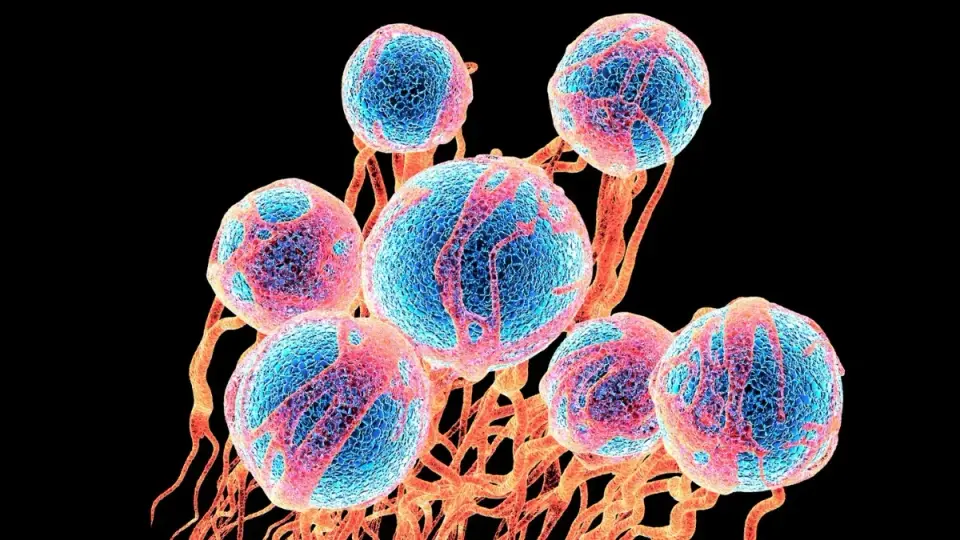
A study in Nature Aging reveals that fructose, a common sugar, acts as a signal from chemotherapy-surviving ovarian cancer cells to promote metastasis. By lowering cholesterol in neighboring cells, fructose weakens cell adhesion, allowing tumors to spread. While preclinical, the findings suggest dietary fructose and statin use may influence cancer progression.
Key points
- Research from The Wistar Institute identifies fructose as a key signal in the senescence-associated secretory phenotype (SASP) of chemotherapy-surviving ovarian cancer cells.
- Fructose lowers cholesterol production in neighboring cancer cells, weakening cell membranes and reducing adhesion, which facilitates detachment and spread.
- Preclinical mouse models showed that high-fructose diets increased metastatic disease, while blocking fructose metabolism reduced cancer cell movement.
- The study raises questions about the interaction between statins (cholesterol-lowering drugs) and chemotherapy, though researchers caution against changing medication without further patient trials.
- The findings are currently limited to preclinical models and ovarian cancer, with future studies planned to test if the mechanism applies to other abdominal cancers like pancreatic or colon cancer.
Background
This story builds on earlier coverage from August 2026, which first reported the link between fructose and cancer cell escape. Previous articles highlighted the potential of dietary interventions and the caution regarding statin use, but this briefing synthesizes the specific metabolic mechanism (cholesterol reduction) and the broader implications for postmenopausal women who are often on statins. The context also relates to broader discussions on how diet and metabolic health influence disease progression, as seen in recent coverage of diabetes management and prediabetes.
How outlets are covering it
ScienceAlert and ScienceDaily emphasize the novelty of fructose acting as a signal rather than just a fuel, highlighting the potential for dietary interventions. Labroots focuses on the mechanism involving cholesterol and the potential impact of statins, noting that 39 million people in the US take these drugs. ThePrint provides a broader overview, linking the finding to the prevalence of high-fructose corn syrup in the US diet. All sources agree that the findings are preclinical and should not be interpreted as direct evidence for human dietary changes or medication adjustments without further trials. There is a slight difference in emphasis: ScienceAlert and ScienceDaily focus on the 'signal' aspect, while Labroots and ThePrint highlight the 'dietary' and 'statin' implications.
Why it matters
This research offers a new perspective on why ovarian cancer often recurs and spreads after chemotherapy. It suggests that the metabolic environment created by surviving cancer cells, specifically through fructose secretion, plays a crucial role in metastasis. Understanding this mechanism could lead to new therapeutic strategies, such as combining senolytic drugs with dietary interventions or adjusting statin use in cancer patients. It also underscores the importance of considering metabolic factors in cancer treatment and prevention.
What to watch
Researchers are planning follow-up studies to determine if the fructose-cholesterol mechanism applies to other cancers that spread within the torso, such as pancreatic, colon, and liver cancer. They are also investigating whether statins interfere with chemotherapy outcomes. Future clinical trials will be needed to confirm these preclinical findings in human patients and to determine if dietary fructose restriction or statin adjustments can improve cancer outcomes.
- Common Sugar Appears to Loosen Cancer Cells And Help Them Spread ScienceAlert
- A common sugar may help cancer cells break free and spread ScienceDaily
- Does Fructose Boost Cancer Growth? Labroots
- New US study finds link between a common dietary sugar and ovarian cancer ThePrint
- Does a sugar-rich diet make you more vulnerable to cancer? Stanford University study reveals the truth: ‘A The Economic Times
Want the full story? Read the original reporting
Read on ScienceAlert