
Caltech BrainBots Deliver Five Times More Chemotherapy to Mouse Brains
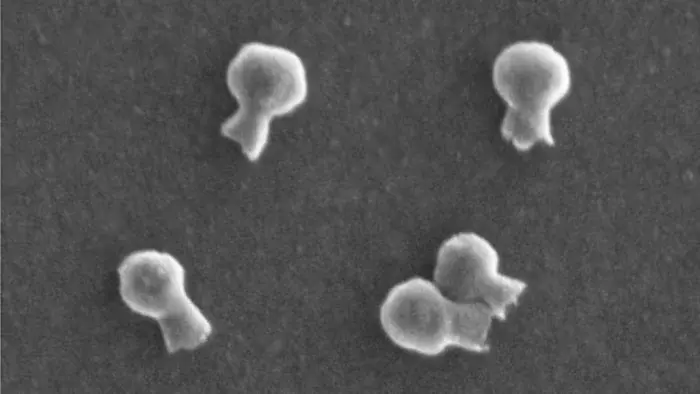
Researchers at the California Institute of Technology (Caltech) have developed biodegradable nanorobots called BrainBots that use light-activated propulsion to cross the blood-brain barrier. Published in Science Robotics on November 25, the study shows these 250-nanometer devices delivered five times more chemotherapy drug doxorubicin to the brains of mice with glioblastoma than conventional injections. The technology aims to overcome the blood-brain barrier’s protective shield, which currently blocks most medications from reaching the brain, while reducing systemic toxicity.
Key points
- Caltech researchers designed BrainBots as biodegradable, balloon-like capsules measuring 250 nanometers, containing a thermosensitive fuel of ammonium bicarbonate.
- Near-infrared light directed through the skull generates localized heat, melting the capsule shell to release gas that propels the nanorobots toward the blood-brain barrier.
- Specialized DNA molecules called aptamers allow the BrainBots to bind to cells lining the barrier, facilitating transport into the brain where they degrade to release medication.
- In mouse models of glioblastoma, BrainBots delivered five times more doxorubicin than standard administration, suppressing tumor growth and extending survival without detectable damage to the barrier.
- The technology caused less systemic toxicity compared to conventional chemotherapy injections, though only a fraction of injected bots successfully reached the brain.
Background
The blood-brain barrier restricts over 98% of small-molecule drugs from entering the brain, posing a major challenge for treating glioblastoma, a brain cancer with a 5-year survival rate of only 6.8%. Recent advances in brain-targeted therapies include UCSF’s B-SYNC CAR-T therapy, which achieved total tumor clearance in mice, and Roche’s technology for Alzheimer’s drugs that binds to iron receptors. The 2026 Nobel Prize in Physiology or Medicine was awarded to optogenetics pioneers for light-based brain control, highlighting growing interest in light-activated medical technologies.
How outlets are covering it
Financial Times and Inside Precision Medicine emphasize the engineering innovation of light-activated propulsion and the potential for treating neurological diseases like Parkinson’s. The Telegraph and The Independent highlight the 250-nanometer size and the 'balloon-like' structure of the BrainBots. While Caltech researchers express excitement about the results, Tim Viney of the University of Oxford criticized the histology data, stating he does not see how the technology could translate to humans at this stage. Roslyn Bill of Aston University called the results encouraging but noted a considerable distance before human trials.
Why it matters
The blood-brain barrier prevents most effective drugs from reaching brain tumors, limiting treatment options for glioblastoma and other neurological conditions. BrainBots offer a potential solution by actively propelling medication across the barrier, which could improve survival rates and reduce side effects. Successful translation to humans could transform treatment for brain cancers and diseases like Parkinson’s, addressing one of medicine’s biggest challenges.
What to watch
Caltech researchers plan to optimize near-infrared light delivery and investigate the long-term safety, stability, and degradation of BrainBots in the body. Human trials are not yet scheduled, but researchers hope to move toward them after further preclinical testing. The team will also explore applications beyond brain cancer, including other neurological diseases.
- Light-activated nano-robots bring more drugs to the brain Financial Times
- Light-activated nanorobots can boost drug delivery across the blood-brain barrier Medical Xpress
- Tiny ‘BrainBot’ can swim through blood vessels to treat tumours The Telegraph
- Scientists create tiny 250nm robots to deliver medicine to the brain The Independent
- Light-Activated Nanobots Help Drugs Cross the Blood–Brain Barrier Inside Precision Medicine
Want the full story? Read the original reporting
Read on Financial Times