Tag

Spacecraft Maintenance

All articles tagged with #spacecraft maintenance

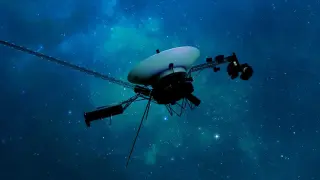
Voyager 1 Reaches One Light-Day Milestone After Power Swap and Signal Glitch
space17 days ago

Voyager 1 Reaches One Light-Day Milestone After Power Swap and Signal Glitch

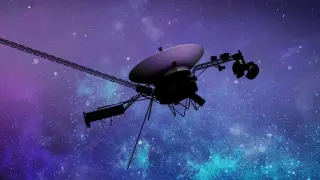
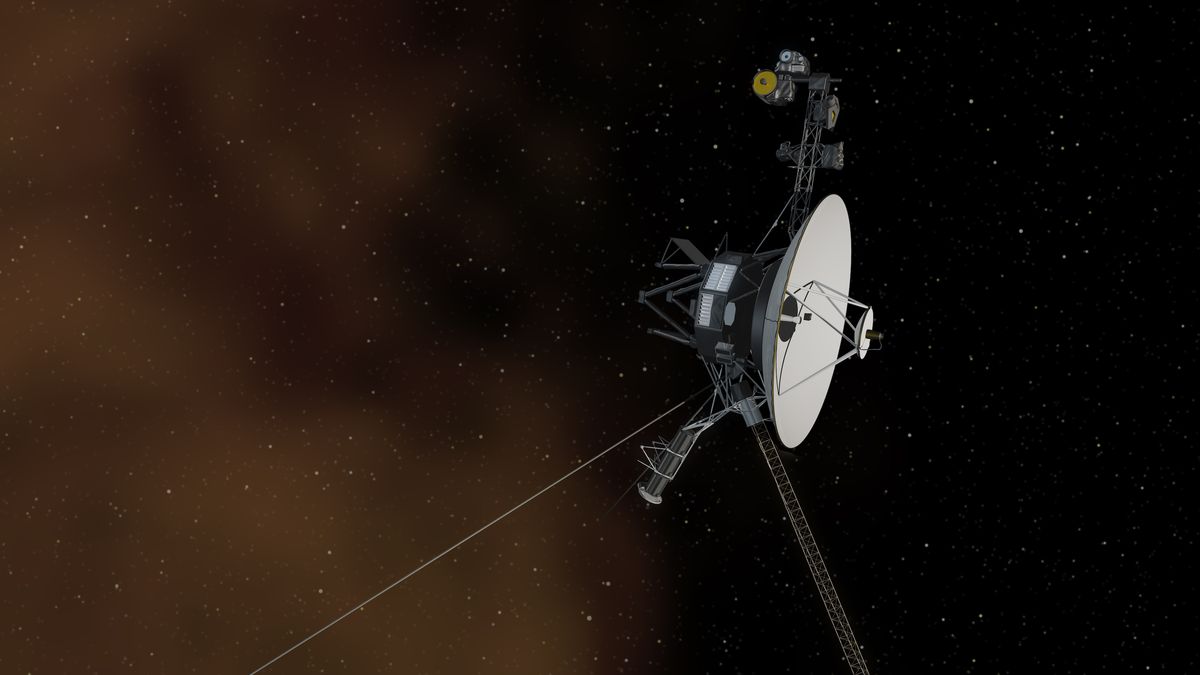
NASA’s Voyager 1 is set to become the first human-made object to reach a distance of one light-day from Earth on November 18, 2026. This milestone follows a successful 'Big Bang' power reconfiguration in September and a 48-hour communication outage in October that the spacecraft resolved automatically. The probe is now approximately 25.9 billion kilometers away, with signal delays totaling 48 hours for round-trip communication.
space17 days ago

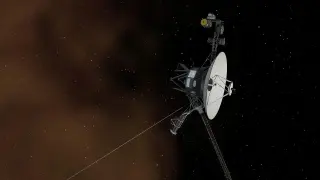
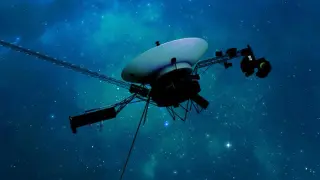
Voyager 1 Recovers from Glitch and Prepares for Historic One Light-Day Milestone

NASA’s Voyager 1 spacecraft has resumed communication after a 48-hour outage and is preparing to cross the one light-day distance mark from Earth on November 18, 2026. The recovery followed a successful 'Big Bang' power reconfiguration that swapped high-energy components for low-power backups, extending the mission's operational life. While the spacecraft is now nearly 26 billion kilometers away, engineers are investigating the cause of the brief signal loss, which appears to have triggered an automatic safe mode.

Voyager 1 Resolves Thruster Glitch Before Reaching One-Light-Day Milestone
space18 days ago

Voyager 1 Resolves Thruster Glitch Before Reaching One-Light-Day Milestone

NASA’s Voyager 1 probe has resumed communication after a 48-hour outage caused by an automatic thruster switch. The spacecraft is now preparing for a historic milestone on November 18, 2026, when it will become the first human-made object to reach a distance of one light-day from Earth. Recent power-saving measures, dubbed the 'Big Bang,' have extended the probe’s operational life despite declining energy reserves.

Voyager 1 Resumes Contact After Thruster Glitch Ahead of Light-Day Milestone
space21 days ago

Voyager 1 Resumes Contact After Thruster Glitch Ahead of Light-Day Milestone

NASA’s Voyager 1 briefly lost contact in mid-October but resumed communication on October 20. Engineers are investigating a thruster issue that triggered an automatic safety mode. The probe is set to reach one light-day from Earth on November 18, a distance of 16.09 billion miles. Recent power-saving maneuvers have extended the mission’s operational life.

Voyager 1’s Brief Silence and Power Conservation Efforts
space23 days ago

Voyager 1’s Brief Silence and Power Conservation Efforts

NASA’s Voyager 1, the farthest human-made object from Earth, experienced a brief communication blackout in mid-October 2026. The signal returned after 48 hours, but engineers are investigating an automatic thruster failure that triggered a safety mode. This incident occurred shortly after a major power-saving update and weeks before the probe reaches a one-light-day distance from Earth.

Voyager 1’s 48-Hour Silence Sparks Investigation as Power Conservation Efforts Continue
space23 days ago

Voyager 1’s 48-Hour Silence Sparks Investigation as Power Conservation Efforts Continue

Voyager 1 lost contact with Earth for 48 hours in October 2026 before resuming communication. Engineers attribute the silence to a thruster failure that triggered a safe-mode protocol. The incident occurred shortly after a major power-saving update, highlighting the spacecraft's declining reliability as it approaches its 50th anniversary.

Roscosmos to Permanently Seal ISS Tunnel After Decade-Long Air Leak Crisis
science-and-technology27 days ago

Roscosmos to Permanently Seal ISS Tunnel After Decade-Long Air Leak Crisis

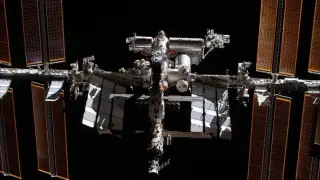
After failing to repair a persistent air leak in the ISS’s PrK transfer tunnel since 2019, Roscosmos is reportedly closing the hatch to the Zvezda module permanently. The leak, which peaked at 3.7 pounds of air lost daily, has forced a change in resupply logistics, with the upcoming Progress MS-36 mission using the Poisk module instead. This decision follows years of failed patches and disputes between NASA and Roscosmos over repair methods, marking a significant concession to isolate the aging infrastructure from the rest of the station.

"NASA's Voyager Probes Receive Remote Software Updates from 12 Billion Miles Away"
science-and-astronomy3 years ago

"NASA's Voyager Probes Receive Remote Software Updates from 12 Billion Miles Away"

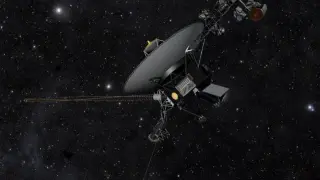
NASA's Voyager 1 and Voyager 2 probes, launched 46 years ago, are receiving software updates from Earth to address issues with corrupted data transmission and potential fuel clogs in their thrusters. The updates aim to keep the spacecraft in contact with Earth and extend their operational lifespan. Engineers have developed a software fix for Voyager 1's corrupted data transmission, although the reason behind the issue remains unknown. Additionally, the probes are being maneuvered to reduce the frequency of thruster firings and prevent fuel inlet tube clogs. These updates demonstrate the creative solutions being employed to overcome challenges faced by the aging Voyager probes.

NASA's Voyager Team Upgrades Software and Thrusters to Extend Lifespan
space3 years ago

NASA's Voyager Team Upgrades Software and Thrusters to Extend Lifespan

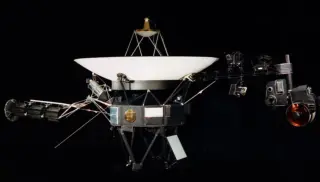
NASA's Jet Propulsion Laboratory (JPL) is updating the firmware of the Voyager 1 and Voyager 2 spacecraft, which were launched in the 1970s and are currently beyond our solar system. The updates aim to address communication issues and prevent clogging of thruster propellant inlet tubes. Voyager 2 is being used as a testbed for the patches before implementing them on Voyager 1. These changes will help ensure that both spacecraft continue to transmit valuable scientific data back to Earth as they approach their 50th anniversary.

"Reviving Space Missions with Ancient Technology"
space3 years ago

"Reviving Space Missions with Ancient Technology"

Space missions like the Voyager probes and Cluster satellites have defied expectations and continued operating long past their intended lifespans, thanks to the ingenuity and problem-solving skills of the engineering and science teams behind them. These missions have faced various challenges, including software obsolescence, power issues, and mechanical failures, but have been kept alive through creative solutions such as using virtual environments to run outdated software, rebooting satellites during eclipses, and hacking code from other missions. Despite the eventual end of these missions, the Voyager spacecraft, carrying messages from Earth, will continue its journey for millions of years.