
Study Reveals Mosquito Species Have Distinct Human Preferences Based on Skin Chemistry
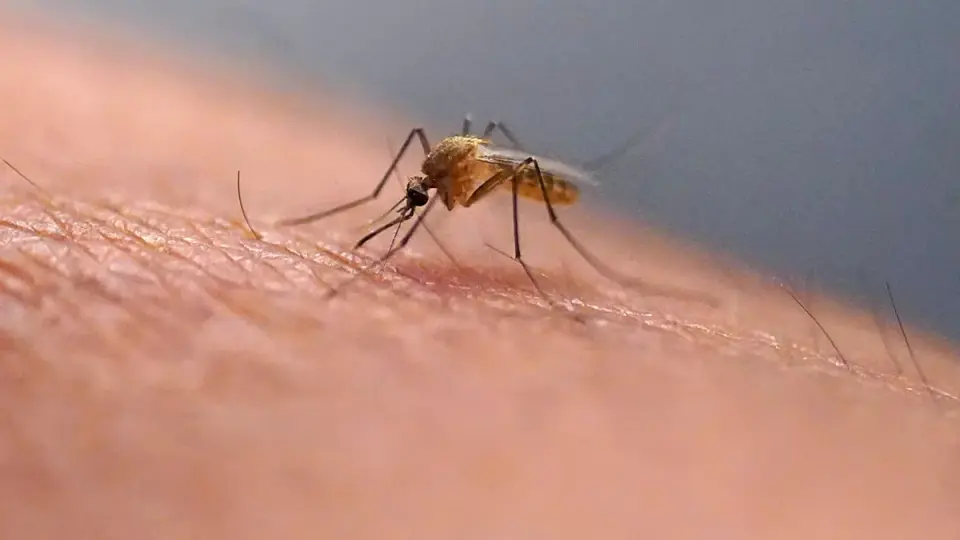
A new study published in iScience confirms that different mosquito species are attracted to different people based on unique skin chemistry. Researchers at Florida International University tested 119 volunteers in Miami against three mosquito species, finding that no single individual was highly attractive to all three. The yellow-fever mosquito prefers males and specific bacterial patterns, the Asian tiger mosquito is drawn to ketones and plant-like compounds, and the southern house mosquito responds to the broader microbial ecosystem on skin. These findings suggest that targeted repellents could be developed by isolating specific odor components, though field studies are needed to confirm real-world biting behavior. The Asian tiger mosquito is currently expanding across Europe, making this research relevant for vector-borne disease prevention.
Key points
- Researchers at Florida International University tested 119 people in Miami against three mosquito species: Aedes aegypti, Aedes albopictus, and Culex quinquefasciatus.
- No participant was among the most attractive to all three species, indicating that mosquito preferences are species-specific rather than universal.
- The yellow-fever mosquito showed a slight preference for males and specific volatile compounds, while the Asian tiger mosquito was attracted to elevated ketones and plant-like secretions.
- The southern house mosquito, active at night, was drawn to the microscopic ecosystem of bacteria, fungi, and microbes on human skin.
- Understanding these distinct cues could lead to novel strategies for combating vector-borne diseases like dengue, Zika, and West Nile virus.
- The Asian tiger mosquito is established in 15 European countries and is expected to expand further due to climate change and human activities, according to the ECDC.
Background
Previous research has explored factors like blood type and skin bacteria diversity in mosquito attraction, but results have been mixed. A separate study at a Dutch music festival in 2023 found that alcohol consumption increased mosquito attraction, though this was not a focus of the current iScience study. Earlier coverage also noted that scratching bug bites can worsen inflammation, highlighting the broader public health implications of mosquito-borne diseases.
How outlets are covering it
Euronews and ScienceAlert both emphasize the species-specific nature of mosquito attraction, highlighting the surprise that no one was a universal 'mosquito magnet.' Good Housekeeping focuses on practical advice, such as avoiding open windows after exercise, which increases CO2 and body heat. Earth.com references a different study involving 450 people at a music festival, noting that alcohol and hygiene habits also play a role. While Euronews and ScienceAlert focus on the chemical and microbial cues, Good Housekeeping and Earth.com highlight behavioral and lifestyle factors that influence mosquito attraction.
Why it matters
Understanding the specific cues that attract different mosquito species could lead to more targeted strategies for preventing vector-borne diseases. As the Asian tiger mosquito expands across Europe, identifying the chemical and microbial signals that draw them to humans could help in developing more effective repellents and control measures. This research could also inform public health campaigns and personal protection strategies, reducing the risk of diseases like dengue, Zika, and West Nile virus.
What to watch
Researchers stress that the study was conducted under laboratory conditions and does not necessarily reflect real-world biting behavior. Field studies will be needed to determine how closely the laboratory rankings correspond to actual mosquito behavior. Additionally, isolating the specific components of human odor that attract or repel mosquitoes could lead to novel strategies for combating vector-borne diseases. The expansion of the Asian tiger mosquito across Europe will likely continue, making this research increasingly relevant for public health and disease prevention.
- Mosquitoes have favourites — and each species has its own Euronews.com
- 'I'm being eaten alive!' This healthy habit is making you a magnet for mosquitoes - here's what to do instead Good Housekeeping
- This Week in Science: Mosquito Magnets, Bonus Benefits of GLP-1s, And More ScienceAlert
- What makes you a mosquito magnet? Scientists tested 450 people to find out Earth.com
- Are you a mosquito magnet? Florida study finds what attracts them The Palm Beach Post
Want the full story? Read the original reporting
Read on Euronews.com