Tag

Vector Borne Diseases

All articles tagged with #vector borne diseases

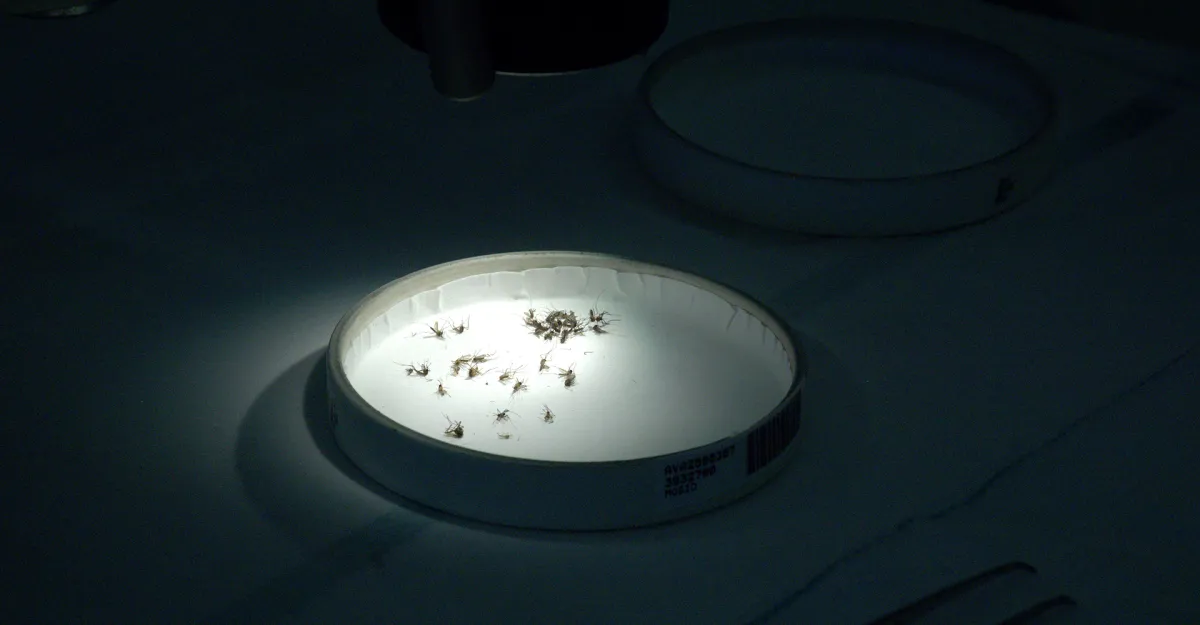
Heat and Habitat Shifts Push California Toward Vector-Borne Disease Spike
science-and-environment19 days ago

Heat and Habitat Shifts Push California Toward Vector-Borne Disease Spike

A warming climate and disrupted ecosystems are expanding the range of disease-carrying mosquitoes and fleas in California, fueling spikes in West Nile virus and raising dengue and flea-borne typhus risks; experts say multiple factors—heat, urban expansion, wildlife interactions, and rodenticide bans—are at play, making California a focal point for the growing threat of vector-borne diseases.

Heat and habitat shifts push California toward a vector-borne disease hotspot
science19 days ago

Heat and habitat shifts push California toward a vector-borne disease hotspot

Rising temperatures and climate-driven changes are expanding vectors—mosquitoes, ticks, fleas—in California, fueling West Nile virus activity in birds and humans, signaling growing dengue risk in urban areas, and contributing to flea-borne typhus outbreaks. Experts emphasize there isn’t a single cause; rather a mix of warming, habitat disruption, and ecosystem changes that are increasing opportunities for disease transmission statewide.
Different Mosquito Species Each Have Their Own Human Attractor, Study Finds
health25 days ago

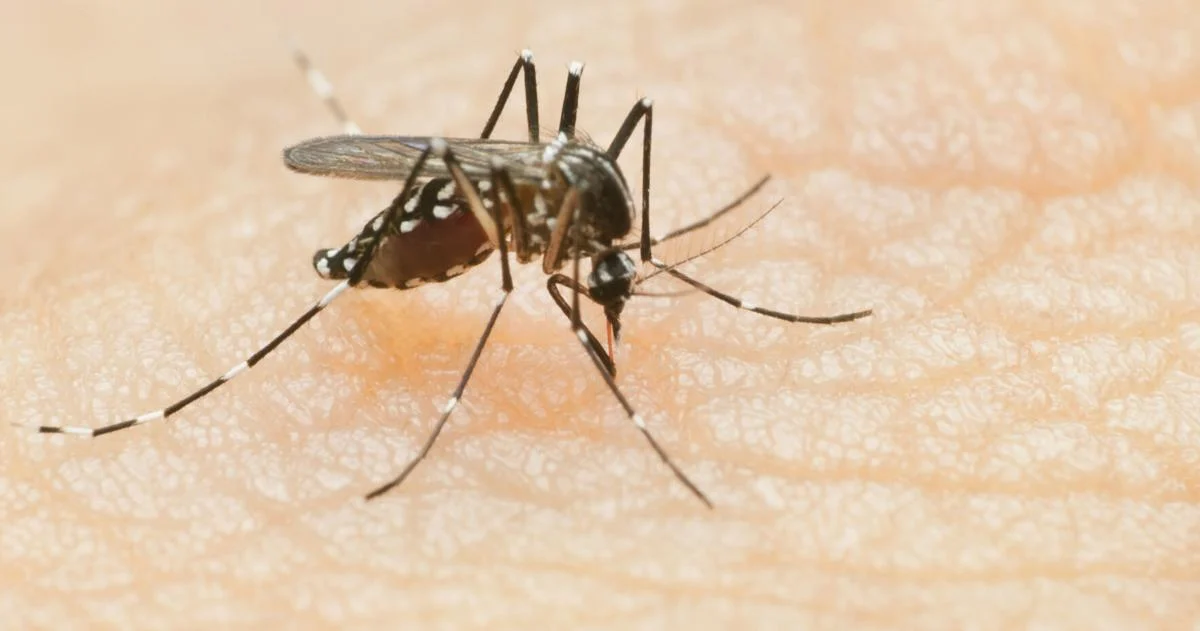
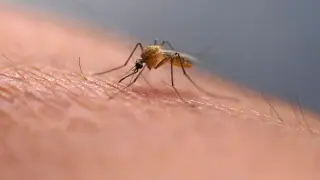
Different Mosquito Species Each Have Their Own Human Attractor, Study Finds

A lab study finds three mosquito species—Aedes aegypti, Aedes albopictus and Culex quinquefasciatus—are attracted to humans for different reasons: the yellow-fever mosquito links to male-associated scents and skin bacteria, the Asian tiger mosquito to ketones and plant-like volatiles, and the southern house mosquito to the skin’s microbial ecosystem; these insights could guide targeted vector-control strategies, but field validation is needed and distributions of each species vary across Europe.

Ticks and Mosquitoes Are Expanding Health Threats Across the U.S.
health1 month ago

Ticks and Mosquitoes Are Expanding Health Threats Across the U.S.

Climate change and landscape changes are helping ticks and mosquitoes spread to new regions in the U.S., boosting the incidence of Lyme disease, babesiosis, anaplasmosis, alpha-gal syndrome, and other vector-borne illnesses. Emergency department visits for tick bites are at a multi-year high, and experts warn the trend will worsen as warming continues. Prevention via repellents, permethrin-treated clothing, reducing standing water, and other environmental tweaks is key, with vaccines and new tick-control tools in development.

Powassan Case Signals Spike in Maine Tick Activity
health2 months ago

Powassan Case Signals Spike in Maine Tick Activity

Powassan virus, a rare tick-borne illness transmitted by deer ticks, has been detected in a Maine resident in Penobscot County—the state’s first case this year—as tick activity rises to its highest levels in about a decade. Powassan remains rare and has no vaccine; severe infections can inflame the brain or spinal cord and cause long-term problems, with roughly 40 Maine cases recorded since 2000.

Mosquitoes may be drawn to DEET after a feeding experience, study finds
science3 months ago

Mosquitoes may be drawn to DEET after a feeding experience, study finds

A laboratory study shows mosquitoes can form a learned association between the repellent DEET and a blood meal, with about 60% of trained mosquitoes attempting to bite DEET when later exposed to it. This suggests repellents can be less effective under certain conditions, though experts stress normal use remains valid and travelers should continue reapplying as directed; more research is needed to understand how long such memories last and how this translates outside the lab.

Mosquitoes Target Humans With Combined Visual and CO2 Cues, Study Finds
science4 months ago

Mosquitoes Target Humans With Combined Visual and CO2 Cues, Study Finds

Researchers used Bayesian inference to build a dynamic, ~30-parameter model of Aedes aegypti flight from 53 million data points collected in 20 experiments, revealing that mosquitoes integrate visual cues and carbon dioxide to locate humans. They identified two flight modes (active exploration and idle/landing prep) and found visual cues alone attract mosquitoes to dark objects but don’t trigger landing without additional cues, while CO2 prompts rapid speed changes and erratic flight. When both cues are present, mosquitoes cluster closer to targets, suggesting multisensory lure designs could improve traps and disease control.

Tracking Mosquito Orbits: How a Mesh-Suit Study Reveals Human Target Cues
science5 months ago

Tracking Mosquito Orbits: How a Mesh-Suit Study Reveals Human Target Cues

Georgia Tech researchers used a mesh suit, a Styrofoam dummy, and a high-speed camera to record millions of mosquito flight trajectories around a human, then applied Bayesian inference to model how heat, moisture, carbon dioxide, and visual cues drive host-seeking. The result is a predictive model that identifies “zones of danger” and could inform smarter traps and deterrents, aiding efforts to reduce mosquito-borne disease transmission.

Deforestation Pushes Mosquitoes Toward Humans for Blood
science7 months ago

Deforestation Pushes Mosquitoes Toward Humans for Blood

A Frontiers in Ecology and Evolution study in Rio de Janeiro’s Atlantic Forest remnants shows mosquitoes feeding on humans more often than on other animals, likely because biodiversity loss reduces alternative hosts. From 1,714 mosquitoes across 52 species, 24 blood meals were identified, with 18 traced to humans. The findings suggest that host availability and proximity drive this shift, increasing the risk of pathogen transmission (dengue, Zika, Yellow Fever, Mayaro, Chikungunya) and underscoring the need for targeted surveillance and ecosystem-aware disease control.

Scientists Warn of Global Spread of Disease-Carrying Insects
health8 months ago

Scientists Warn of Global Spread of Disease-Carrying Insects

A study in Nature Communications warns that the global spread of mosquitoes through trade and travel has increased significantly since the 1950s, raising the risk of vector-borne diseases like West Nile virus and encephalitis, which pose serious health and economic challenges. The expansion is driven by global shipping, trade routes, and climate change, emphasizing the need for preventive measures such as protective clothing and eliminating standing water.