
Lab Tests Show Bean-Based Gum Cuts HPV by 93% in Cancer Samples
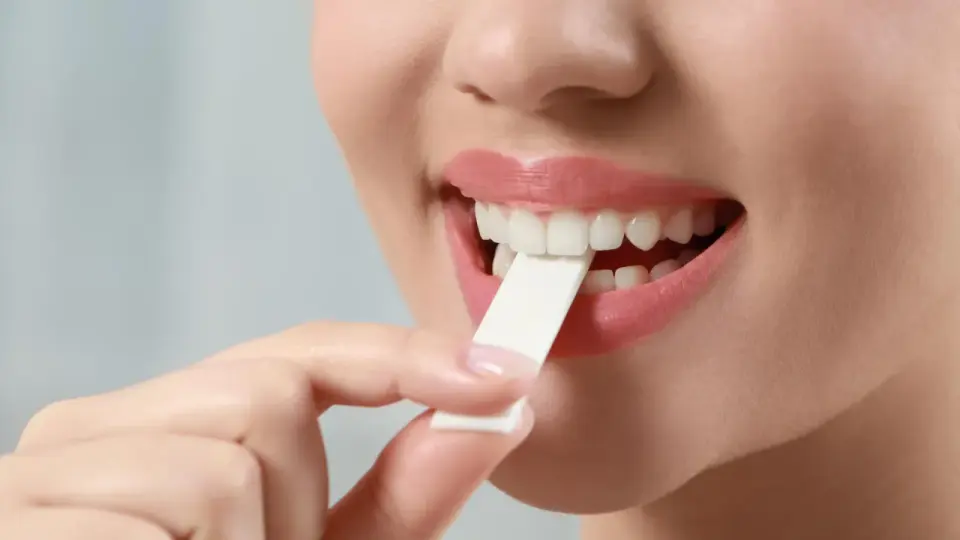
Researchers at the University of Pennsylvania developed an experimental chewing gum that reduced human papillomavirus (HPV) levels by up to 93% in laboratory tests using samples from head and neck cancer patients. The study, published in Scientific Reports, found that an enhanced version of the gum also nearly eliminated two harmful bacterial species associated with poor cancer outcomes while preserving beneficial oral bacteria. Led by Henry Daniell, the team utilized a gum made from lablab beans containing the antiviral protein FRIL, and later added the antimicrobial peptide protegrin. While these results are promising for preventing infections and supporting cancer treatments, the findings are based on in vitro testing rather than human clinical trials. The researchers argue that this affordable, plant-based approach could eventually serve as a prophylactic or adjuvant therapy for head and neck squamous cell carcinoma, a disease where current treatments often fail to improve long-term survival or quality of life.
Key points
- HPV levels dropped by 93% in saliva and 80% in oral rinse samples from cancer patients when exposed to bean gum extracts.
- An enhanced gum formulation containing protegrin reduced Porphyromonas gingivalis and Fusobacterium nucleatum bacteria to near-undetectable levels.
- The treatment selectively targeted harmful microbes without disrupting the beneficial oral microbiome, unlike radiation therapy which can encourage yeast growth.
- The gum is derived from lablab beans and contains the naturally occurring antiviral protein FRIL.
- The study aims to advance the technology toward human clinical trials as a low-cost preventive measure against infection-related cancers.
Background
This research aligns with recent global findings that infectious agents, including HPV, account for approximately 12% of new cancer cases worldwide. While existing HPV vaccines are effective, vaccination rates have stagnated in some regions, and current cancer treatments often fail to significantly improve five-year survival rates for advanced head and neck cancers. The new gum offers a potential low-cost alternative for managing oral microbial loads, complementing existing prevention strategies.
Why it matters
Head and neck cancers remain a significant global health challenge, particularly among adolescents and young adults. Current treatments often do not improve long-term survival or quality of life. A simple, affordable chewing gum that can reduce cancer-linked microbes could serve as a critical preventive tool or adjunct therapy, potentially lowering the burden of infection-related cancers and improving patient outcomes without disrupting oral health.
What to watch
The researchers plan to move the technology toward human clinical trials to verify if the observed laboratory effects translate to actual human use. They intend to test the gum as an adjuvant with current treatments or as a prophylactic to prevent infection and transmission of harmful microbes in the oral cavity.
Want the full story? Read the original reporting
Read on Science Daily