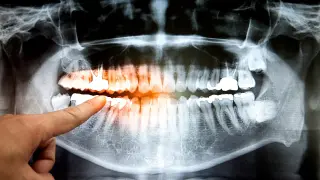
A large Japanese cohort study suggests that tooth loss is a significant, previously underweighted risk factor for dementia, potentially rivaling major modifiable risks like depression and social isolation. While the association is strong, experts caution that correlation does not prove causation, and public awareness of the link between oral health and cognitive decline remains low.
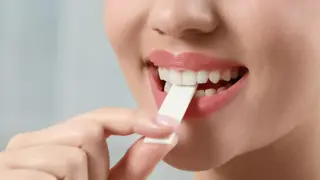
Researchers at the University of Pennsylvania developed an experimental chewing gum that reduced human papillomavirus (HPV) levels by up to 93% in laboratory tests using samples from head and neck cancer patients. The study, published in Scientific Reports, found that an enhanced version of the gum also nearly eliminated two harmful bacterial species associated with poor cancer outcomes while preserving beneficial oral bacteria. Led by Henry Daniell, the team utilized a gum made from lablab beans containing the antiviral protein FRIL, and later added the antimicrobial peptide protegrin. While these results are promising for preventing infections and supporting cancer treatments, the findings are based on in vitro testing rather than human clinical trials. The researchers argue that this affordable, plant-based approach could eventually serve as a prophylactic or adjuvant therapy for head and neck squamous cell carcinoma, a disease where current treatments often fail to improve long-term survival or quality of life.
A three-month Brazilian study suggests that adding antimicrobial mouthwash or oral spray to standard toothbrushing can reduce the frequency and severity of upper respiratory infections. Researchers found that participants using cetylpyridinium chloride-based products reported approximately 20% fewer days with symptoms like congestion and coughing compared to those who only brushed their teeth. While the intervention did not significantly improve overall quality of life metrics like sleep or work performance, it did help participants maintain social interactions. The findings indicate that targeting the entire oral cavity with antiseptics may be a simple, low-cost strategy to mitigate the impact of seasonal respiratory illnesses, though the authors note that lifestyle factors and self-reporting biases limit the study's scope.
Dyson has launched the CameraJet, a $499 electric toothbrush that combines brushing, flossing, and rinsing using an AI-powered camera. The device uses a 100,000-pixel macro lens to detect gaps between teeth in real-time, triggering a conical jet of mouthwash to clean those areas. It connects via Wi-Fi and Bluetooth to the MyDyson app for live video feedback and technique guidance. Pre-orders are open, with shipping beginning September 8, 2026.
Yahoo Life’s roundup gathers 20 everyday habits people on Reddit say can secretly harm health by 40—ranging from chronic sleep deprivation, poor dental care, and a sedentary lifestyle to stress and weak social ties. The piece emphasizes that these small choices accumulate, and that prioritizing sleep, regular exercise, oral hygiene, stress management, and meaningful social connections can help protect long-term health as you approach midlife.
A new study from Yonsei University suggests that analyzing the bacteria in a simple mouth rinse could detect signs of gastrointestinal cancers, including gastric and colorectal cancer. Researchers found that cancer patients have a higher 'mouth-to-feces' microbial index, meaning more oral bacteria migrate to and persist in the gut compared to healthy individuals or those with metabolic disorders. This oral sample method showed higher sensitivity than standard fecal occult blood tests, potentially offering a less invasive alternative for early screening.
A study from Hiroshima University suggests that the number of natural teeth a patient has may predict how long they survive after pancreatic cancer surgery. Patients with 21 or more teeth lived nearly two years longer than those with fewer teeth. The researchers believe tooth loss reflects long-term systemic health issues, not just chewing ability.
The term 'Ozempic teeth' is not a recognized medical diagnosis, but dentists report increased dental issues among GLP-1 users due to side effects like dry mouth, vomiting, and dehydration rather than direct chemical damage to tooth structure.
A new study from the University of Pennsylvania reports that a bioengineered chewing gum containing antiviral and antibacterial agents reduced human papillomavirus (HPV) levels by up to 93% in patient saliva samples. The gum, made from lablab beans, also nearly eliminated two bacteria linked to head and neck cancer while preserving beneficial oral bacteria. However, the research is preclinical, meaning no humans chewed the gum as a treatment, and it is not yet available commercially.
Menopause can influence oral health as estrogen declines, leading to dry mouth, gum disease, and TMJ issues, with some experiencing tooth fractures and headaches; experts recommend fluoride toothpaste, regular cleanings, night guards if you grind, staying hydrated, and discussing hormone therapy with a clinician as research on its benefits continues.
One in five U.S. adults aged 20–64 have at least one untreated cavity, driven in part by cost barriers and dental fears; experts urge regular dental visits for early detection, while daily habits like brushing, flossing, and staying hydrated can help protect teeth and gums.
Gum disease and oral bacteria are increasingly linked to systemic health problems such as cardiovascular disease, stroke and diabetes, with inflammation and bloodstream spread playing key roles; while causality is complex, evidence suggests a real impact, and maintaining good oral hygiene (brushing twice daily, flossing) and reducing sugar intake is advised, though access to NHS dental care remains challenging for many.
GLP-1 weight-loss drugs like Ozempic can cause dry mouth and bad breath, with hydration and saliva flow reducing bacterial growth linked to halitosis. Experts note dehydration and ketosis can contribute to breath changes, and suggest drinking water and sugar-free gum as practical fixes. The issue has even influenced consumer behavior, helping drive a rise in sales for gum and “functional snacks” (e.g., Hershey’s Ice Breakers and protein bars) as markets ride the trend.
Fraunhofer researchers identified a compound—guanidinoethylbenzylamino imidazopyridine acetate—that blocks growth of periodontitis-causing bacteria like Porphyromonas gingivalis without killing beneficial oral microbes, enabling PerioTrap to develop a toothpaste that helps prevent gum disease while preserving the oral microbiome; the project followed GLP standards and also produced a post-cleaning gel, with future products (mouthwash, veterinary uses) in development.
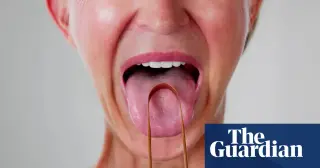
Experts say tongue cleaning should be part of daily oral hygiene because biofilm collects on the tongue and can contribute to bad breath and potentially gum disease or other health issues. Use a metal tongue scraper when possible, replace tools every three months, and clean the tongue twice daily with gentle strokes. Avoid overcleaning to prevent tongue injury; mouthwash can freshen breath (prefer alcohol-free). Check the tongue’s sides for signs of oral cancer and seek professional advice if anythingLooks unusual. Moderation is key as research on the oral microbiome continues.