
New Study Identifies Intracellular Mitochondrial Plaques as Early Alzheimer's Marker
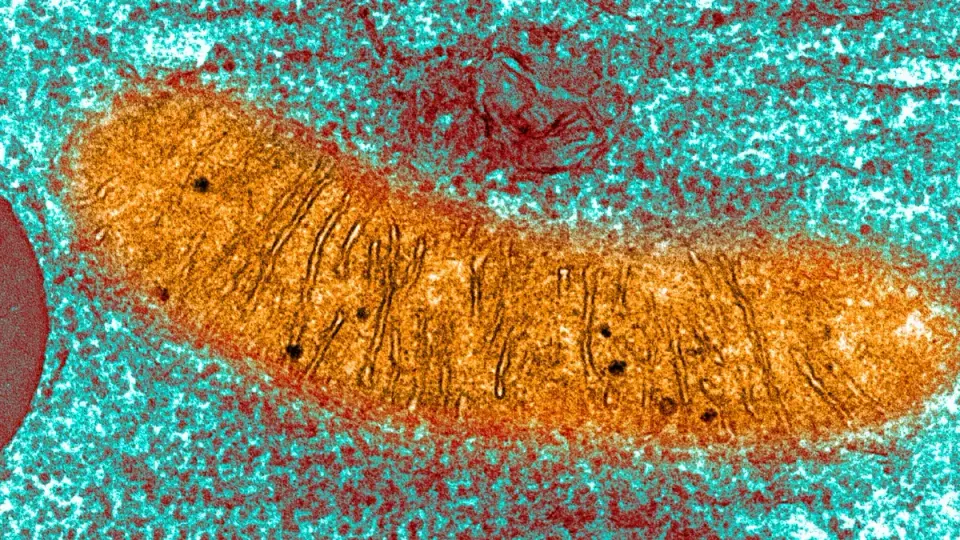
Researchers have identified a new pathological structure in Alzheimer's disease called mitochondrial plaques (MPs). Published in Nature Neuroscience, the study reveals that these intracellular aggregates form within neurons, distinct from traditional extracellular amyloid plaques. MPs consist of accumulated mitochondria that fail to be recycled due to impaired mitophagy and lysosomal dysfunction. Detected in both transgenic mice and postmortem human brains, MPs appear early in the disease process, potentially preceding classic amyloid-beta accumulation. This discovery suggests a new diagnostic marker and therapeutic target for slowing neurodegeneration.
Key points
- A team led by Paul Robbins and Xiuli Dan at the University of Minnesota identified mitochondrial plaques (MPs) as a new pathological feature of Alzheimer's disease.
- MPs are aggregations of neutral and acidic mitochondria that accumulate within neuronal processes, specifically axons and dendrites, rather than outside cells.
- The formation of MPs is driven by dysfunctional mitophagy, where the brain fails to recycle damaged mitochondria, compounded by lysosomal dysfunction.
- Using a pH-sensitive fluorescent reporter called Keima, researchers observed MPs emerging as early as 15 weeks in mouse models, potentially before amyloid-beta plaques.
- MPs were confirmed in postmortem human brains with Alzheimer's but were absent in age-matched healthy controls, suggesting they are specific to the disease.
- As the disease progresses, MPs often co-develop with amyloid-beta plaques to form mixed plaques, as MPs harbor high levels of amyloid precursor protein (APP).
Background
This finding adds to a growing body of research exploring alternative mechanisms in Alzheimer's pathology beyond amyloid and tau. Recent studies have highlighted the role of astrocyte-driven clearance, SORLA protein regulation, and copper-based drugs in boosting brain waste removal. The current discovery of mitochondrial plaques suggests that intracellular energy failure may be an earlier driver of disease than previously thought, complementing efforts to target extracellular debris.
How outlets are covering it
ScienceAlert emphasizes the potential of MPs as a new therapeutic target, noting that previous amyloid-clearing treatments failed to stop neurodegeneration, possibly because they ignored intracellular mitochondrial issues. Nature provides the technical mechanism, detailing how lysosomal dysfunction leads to incomplete degradation of mitochondria. Neuroscience News highlights the diagnostic potential, suggesting MPs could enable earlier detection before widespread structural damage occurs. All sources agree that MPs are a distinct entity from classic amyloid plaques, but they differ in emphasis: ScienceAlert focuses on treatment implications, while Neuroscience News focuses on early diagnosis.
Why it matters
Identifying mitochondrial plaques offers a new avenue for treating Alzheimer's by targeting the root cause of neuronal energy failure. Since MPs appear early and directly impact neurons, developing drugs to boost mitophagy or clear these plaques could slow disease progression before irreversible cognitive decline sets in. This could lead to more effective combination therapies that address both amyloid and mitochondrial pathology.
What to watch
The research team plans to identify biomarkers for mitochondrial plaques to enable earlier diagnosis in living patients. They will also screen for drugs that can prevent or remove these intracellular accumulations. Future studies will likely focus on how boosting mitophagy or lysosomal function can mitigate MP formation in human clinical trials.
- Unexpected Structure Detected in The Brains Of Humans And Mice With Alzheimer's Disease ScienceAlert
- Mitochondrial accumulation and lysosomal dysfunction result in mitochondrial plaques in Alzheimer’s disease Nature
- Newly identified mitochondrial plaques provide potential therapeutic target for Alzheimer's disease Medical Xpress
- Mitochondrial Plaques in Alzheimer’s Brains Discovered Neuroscience News
- Newly Identified Mitochondrial Plaques Offer a Potential Alzheimer’s Treatment Target Technology Networks
Want the full story? Read the original reporting
Read on ScienceAlert