
UCSF B-SYNC CAR-T Therapy Eradicates Brain Tumors in Mice, Paving Way for 2027 Human Trials
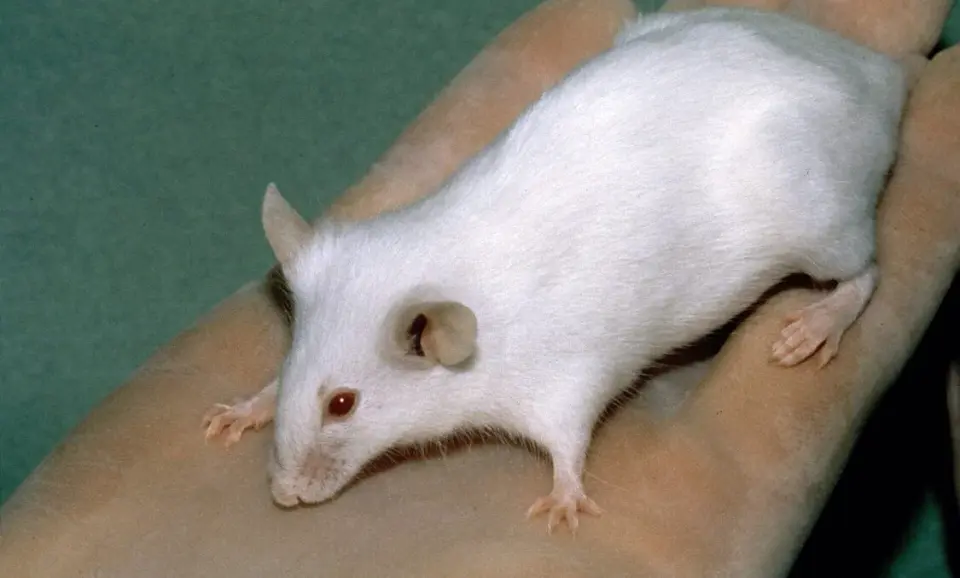
UC San Francisco researchers have successfully eliminated diffuse midline glioma (DMG) in mice using a new CAR-T therapy called B-SYNC, which activates only within the brain. The treatment also provided lasting protection against tumor recurrence, prompting plans for human clinical trials starting as early as April 2027.
Key points
- UCSF scientists developed B-SYNC CAR-T, a therapy that activates only in the brain to target DMG tumors, avoiding side effects elsewhere.
- In mouse models, B-SYNC completely eliminated DMG tumors and prevented recurrence when cancer cells were reintroduced weeks later.
- The therapy targets proteins EphA2 and IL13Rα2, using brevican as a brain-specific activation signal.
- Human clinical trials are planned to begin as early as April 2027, evaluating both intravenous and direct brain delivery methods.
- DMG is a fatal childhood brain cancer, with nearly all patients dying within a year of diagnosis.
Background
This development follows earlier coverage of UCSF’s B-SYNC therapy, which showed total tumor clearance in mice. It also aligns with broader advancements in brain cancer treatment, including AI-assisted gene therapy experiments and new immunotherapy approaches targeting tumor microenvironments.
How outlets are covering it
Good News Network emphasizes the 'cure' potential of B-SYNC for DMG, highlighting its brain-specific activation and lasting protection in mice. The Brighter Side of News focuses on a different CAR-T approach for glioblastoma, targeting both tumor cells and supportive macrophages via the GPNMB protein. While both studies show promise in preclinical models, they differ in target cancer types (DMG vs. glioblastoma) and mechanisms (brain-specific activation vs. dual-targeting of tumor and immune cells).
Why it matters
These advancements offer hope for treating previously incurable brain cancers, potentially saving lives and improving outcomes for patients with aggressive tumors. The move toward human trials signals a significant step in translating preclinical success into clinical applications.
What to watch
UCSF is preparing for human clinical trials, with the first trial co-led by Dr. Sabine Mueller. Researchers will evaluate different delivery methods, including intravenous and direct brain administration, to optimize treatment efficacy and safety.
- Scientists ‘Cure’ Deadly Brain Tumors in Every Mouse Tested with New Cancer Therapy Good News Network
- New CAR-T therapy offers new hope against one of the deadliest forms of brain cancer The Brighter Side of News
Want the full story? Read the original reporting
Read on Good News Network