
Weizmann Scientists Identify MTCH2 Protein as Key Switch for Fat Burning and Cell Formation
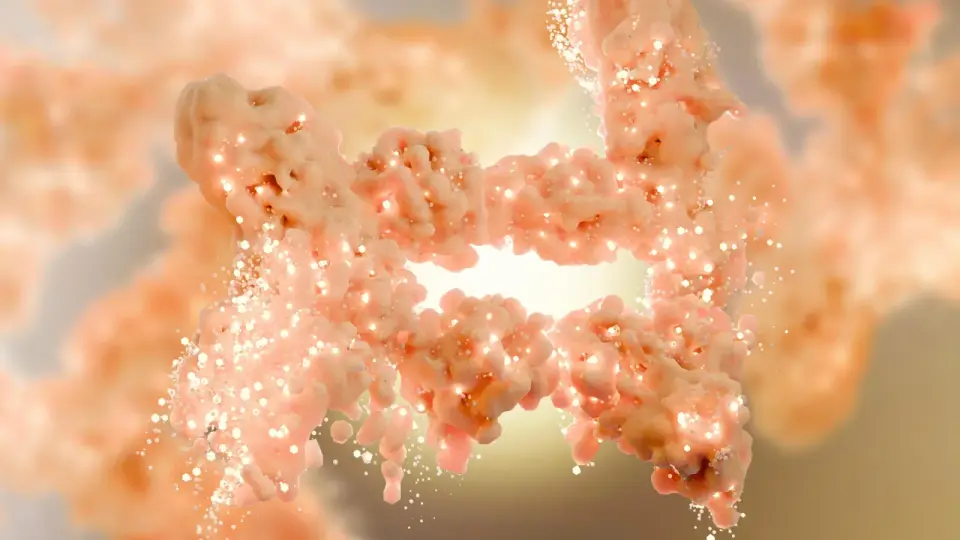
Researchers at the Weizmann Institute of Science have identified a protein called MTCH2, nicknamed 'Mitch,' which acts as a critical switch for cellular energy metabolism. Disabling this protein in human cells increases the consumption of fats and carbohydrates while simultaneously preventing the formation of new fat cells. Earlier mouse studies showed that removing MTCH2 in muscle tissue improved endurance and protected against diet-induced obesity. A follow-up study in Nature Communications revealed that MTCH2 regulates the enzyme CPT1, controlling how fatty acids enter mitochondria for energy production. These findings suggest that targeting MTCH2 could offer a new approach to treating obesity by altering how cells use energy, rather than just suppressing appetite. However, the protein also plays roles in cell survival and mitochondrial regulation, meaning broad inhibition could have unintended consequences. While promising, the research has not yet demonstrated safe, sustained weight loss in humans, and further studies are needed to determine if targeting this protein can preserve muscle mass while reducing fat.
Key points
- MTCH2 controls mitochondrial fusion; disabling it fragments the network, forcing cells to consume more fuel to meet energy demands.
- In human cells, removing MTCH2 leads to increased consumption of fatty acids, carbohydrates, and amino acids, with fats being broken down from cell membranes for energy.
- In mouse precursor cells, deleting MTCH2 reduced fat cell differentiation from 80-90% to just 5-10%, indicating the protein is essential for new fat cell formation.
- A 2025 study in Nature Communications found MTCH2 interacts with CPT1, regulating fatty acid entry into mitochondria; removing it increases energy expenditure without changing food intake.
- Mice lacking MTCH2 in fat tissue gained less weight on high-fat diets and showed improved glucose tolerance and lower cholesterol, but maintained similar lean mass to controls.
- Current weight-loss drugs like semaglutide can cause lean mass loss; a 2026 analysis found 25-39% of weight lost is lean mass, highlighting the need for treatments that preserve muscle.
Background
This discovery builds on the growing search for obesity treatments that preserve muscle mass, a concern highlighted by recent analyses of GLP-1 drugs and lifestyle interventions. While existing medications like semaglutide and tirzepatide primarily work by suppressing appetite, they can lead to significant loss of lean body mass. The MTCH2 research offers a potential alternative by targeting how cells handle energy and fat storage directly. This complements other emerging approaches, such as the experimental drug CBL-514, which triggers fat cell death, and studies on GLP-1 drugs that suggest some may preserve muscle better than others. The Weizmann Institute's findings add to the understanding that obesity treatment may need to focus on cellular energy allocation rather than just caloric intake.
Why it matters
The identification of MTCH2 as a metabolic switch offers a potential new avenue for treating obesity that could complement or replace current appetite-suppressing drugs. By influencing how cells burn fat and form new fat cells, targeting this protein might help reduce body fat while preserving muscle mass, a key concern with existing treatments. This could lead to therapies that improve metabolic health, glucose tolerance, and cholesterol levels without the side effects of muscle loss. However, the protein's role in other biological processes means that developing safe and effective treatments will require careful research to avoid unintended consequences.
What to watch
Researchers will need to determine if inhibiting MTCH2 can safely and sustainably promote weight loss in humans while preserving muscle health. Further studies are required to understand the protein's role in other biological activities, such as cell survival and mitochondrial regulation, to avoid potential side effects. Scientists will also need to investigate which tissues would benefit most from MTCH2 inhibition and whether it can be targeted selectively. The findings from the 2025 studies in The EMBO Journal and Nature Communications provide a strong foundation, but human trials are necessary to confirm the safety and efficacy of this approach.
Want the full story? Read the original reporting
Read on Science Daily