
US Alerts Middle East Allies to Brace for Post-Election Iran Strikes and Retaliation
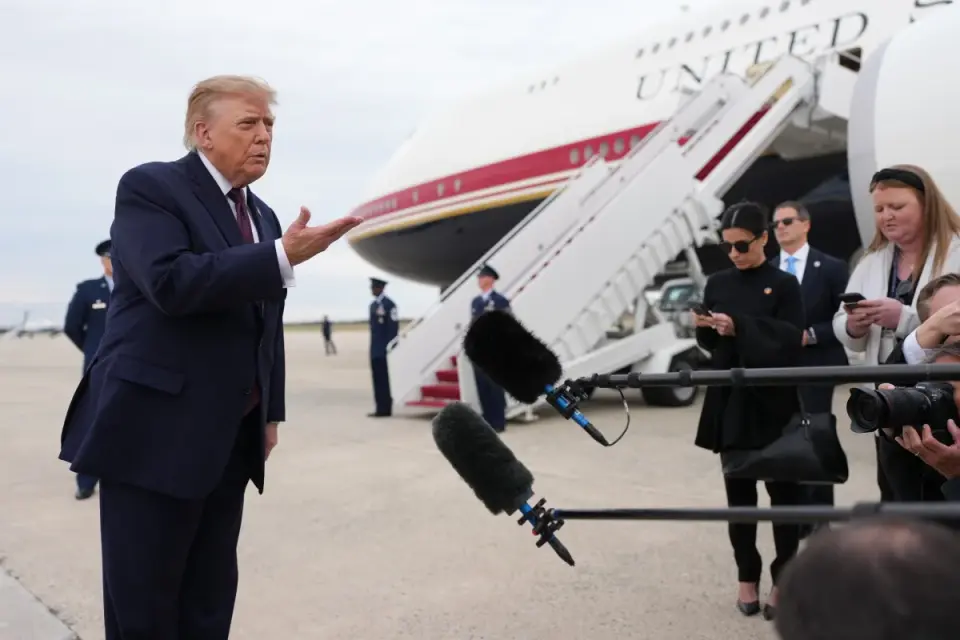
U.S. officials have warned regional allies to prepare for potential renewed military strikes against Iran following the November 3 midterm elections. While President Trump has not finalized a decision, he has indicated that action may resume after the vote. The U.S. expects Iran and its proxies to retaliate, potentially targeting energy infrastructure, which could prolong the conflict. Diplomatic efforts remain stalled as Tehran insists on previous proposals, while the region braces for heightened tensions.
Key points
- U.S. diplomats and defense officials have briefed Middle East allies to prepare for potential renewed military action against Iran after the November 3 U.S. midterm elections.
- President Trump has not made a final decision on new strikes but has repeatedly weighed ordering action once the elections conclude.
- Allies have been warned that Iran and its proxy groups may retaliate, potentially targeting energy facilities and crucial infrastructure, which could extend the conflict beyond the initial few days of U.S. operations.
- Iranian Foreign Minister Abbas Araghchi stated that Tehran continues to give diplomacy a chance and is working with mediators on a proposal previously rejected by Trump.
- The U.S. has deployed the USS Theodore Roosevelt and approximately 9,000 troops to the Persian Gulf, creating a naval presence exceeding 20,000 sailors and Marines in the region.
- The cost of the ongoing conflict has reached $47.1 billion, and rising gasoline prices are impacting Republican candidates in the upcoming elections.
Background
This development follows a series of recent escalations, including U.S. intelligence warnings of advanced Iranian plots and military preparations for potential strikes in late October. Previous reports indicated that CENTCOM had drafted options for renewed strikes, potentially targeting energy and nuclear sites, while diplomatic efforts via Qatar remained stalled. The current warnings align with earlier Pentagon preparations for post-election escalation, as the administration balances military readiness with the political timing of the midterms. The conflict has also spread regionally, with Iran-backed Houthi rebels attacking Saudi Arabia’s oil infrastructure, prompting a Saudi-led coalition response in Yemen.
Why it matters
The potential resumption of strikes after the midterms could significantly destabilize the Middle East, leading to prolonged conflict and further economic repercussions. The warning to allies highlights the risk of retaliatory attacks on critical infrastructure, which could disrupt global energy supplies and increase costs. Additionally, the high financial cost of the war and its impact on domestic politics underscore the complex interplay between military strategy and electoral concerns.
What to watch
The U.S. military’s readiness for post-election strikes remains uncertain, with no confirmed timeline for resumed operations. Diplomatic efforts may continue, but the likelihood of a breakthrough is low given the previous rejection of Iranian proposals. Regional allies are expected to implement precautionary measures against potential Iranian retaliation, while the U.S. maintains a significant naval presence in the region. The outcome of the November 3 elections may influence the timing and scope of any future military action.
Want the full story? Read the original reporting
Read on AP News