
Genetic bottlenecks and hunting drove aurochs extinction in Scandinavia
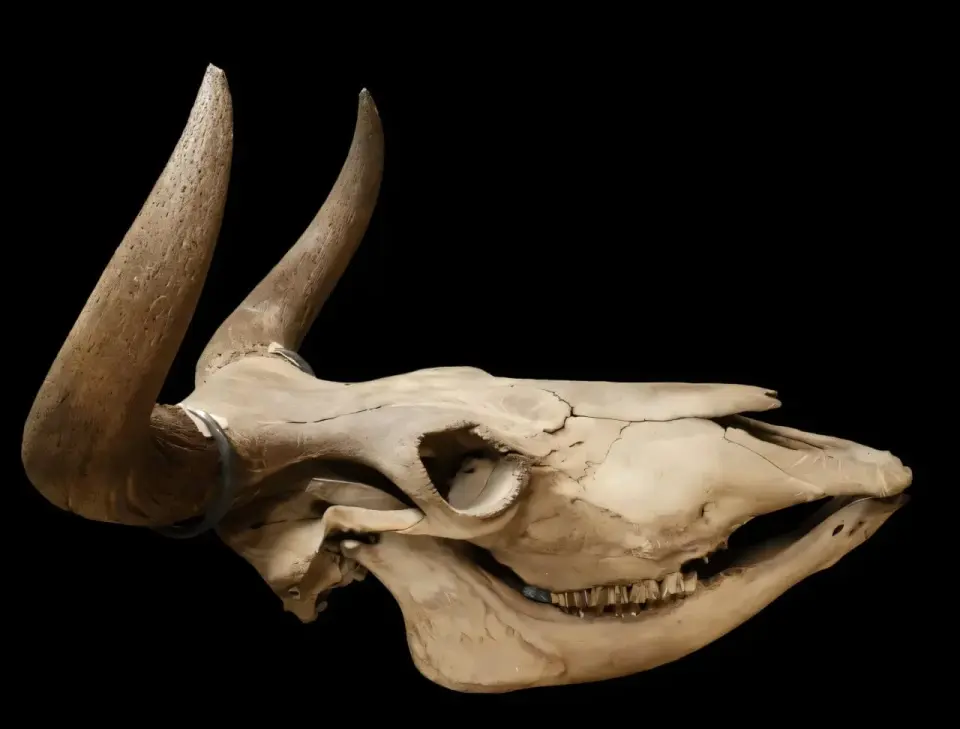
A new study reveals that aurochs vanished from Scandinavia thousands of years earlier than elsewhere in Europe due to a combination of genetic bottlenecks, intense hunting, and habitat loss. Researchers analyzed ancient DNA from bones found in bogs and settlement sites in southern Sweden and Denmark to reconstruct the population history of these wild cattle ancestors. The findings indicate that while the species survived globally until the 17th century, the Scandinavian population collapsed around 6,500 years ago. This early extinction was driven by a sharp drop in genetic diversity during their initial migration north, followed by isolation when rising seas flooded land bridges to mainland Europe. Concurrently, increased human settlement and hunting pressure, combined with the expansion of dense forests that reduced grazing land, led to the final disappearance of the species in the region.
Key points
- Aurochs, the wild ancestors of modern cattle, disappeared from Scandinavia approximately 6,500 years ago, much earlier than their global extinction in the 17th century.
- A research team led by Lund University analyzed ancient DNA from aurochs bones recovered from bogs and archaeological sites in southern Sweden and Denmark.
- Genetic analysis revealed a significant population bottleneck when aurochs migrated from Western Europe to Scandinavia around 11,700 years ago, reducing their genetic diversity.
- The Scandinavian population became isolated from mainland Europe approximately 8,000 years ago when rising sea levels flooded the land bridges connecting the regions.
- Population modeling indicates a boom-and-bust cycle where numbers declined sharply due to increased human settlement, hunting pressure, and the expansion of dense forests that eliminated grazing areas.
- The study concludes that no single factor caused the extinction; rather, low genetic diversity, habitat fragmentation, and sustained hunting pressure combined to eliminate the species in the region.
Background
This study builds on previous archaeological and genetic research regarding the migration and extinction of prehistoric megafauna. While earlier studies suggested the Scandinavian aurochs population was cut off around 10,000 years ago, this new genetic evidence refines that timeline, showing continued contact until 8,000 years ago. The findings align with broader archaeological trends showing increased human resource exploitation and settlement density in the Neolithic period, which often coincided with the decline of large wild herbivores in Europe.
Why it matters
Understanding the multi-factorial causes of the aurochs' extinction in Scandinavia provides critical insights for modern conservation efforts. The study demonstrates that species rarely disappear due to a single cause; instead, they are often weakened by genetic bottlenecks and then pushed over the edge by environmental changes and human activity. This highlights the importance of maintaining genetic diversity and creating ecological corridors to connect isolated habitats, rather than relying on isolated reserves, to protect vulnerable species today.
What to watch
Researchers will likely continue to integrate ancient DNA analysis with archaeological and paleoecological data to refine models of prehistoric human-animal interactions. The findings may also influence modern conservation strategies, emphasizing the need for comprehensive approaches that address multiple simultaneous pressures on wildlife populations, such as habitat fragmentation and genetic isolation.
Want the full story? Read the original reporting
Read on Archaeology News Online Magazine