
JWST uncovers potential life's chemical ingredients in a dusty galaxy
TL;DR
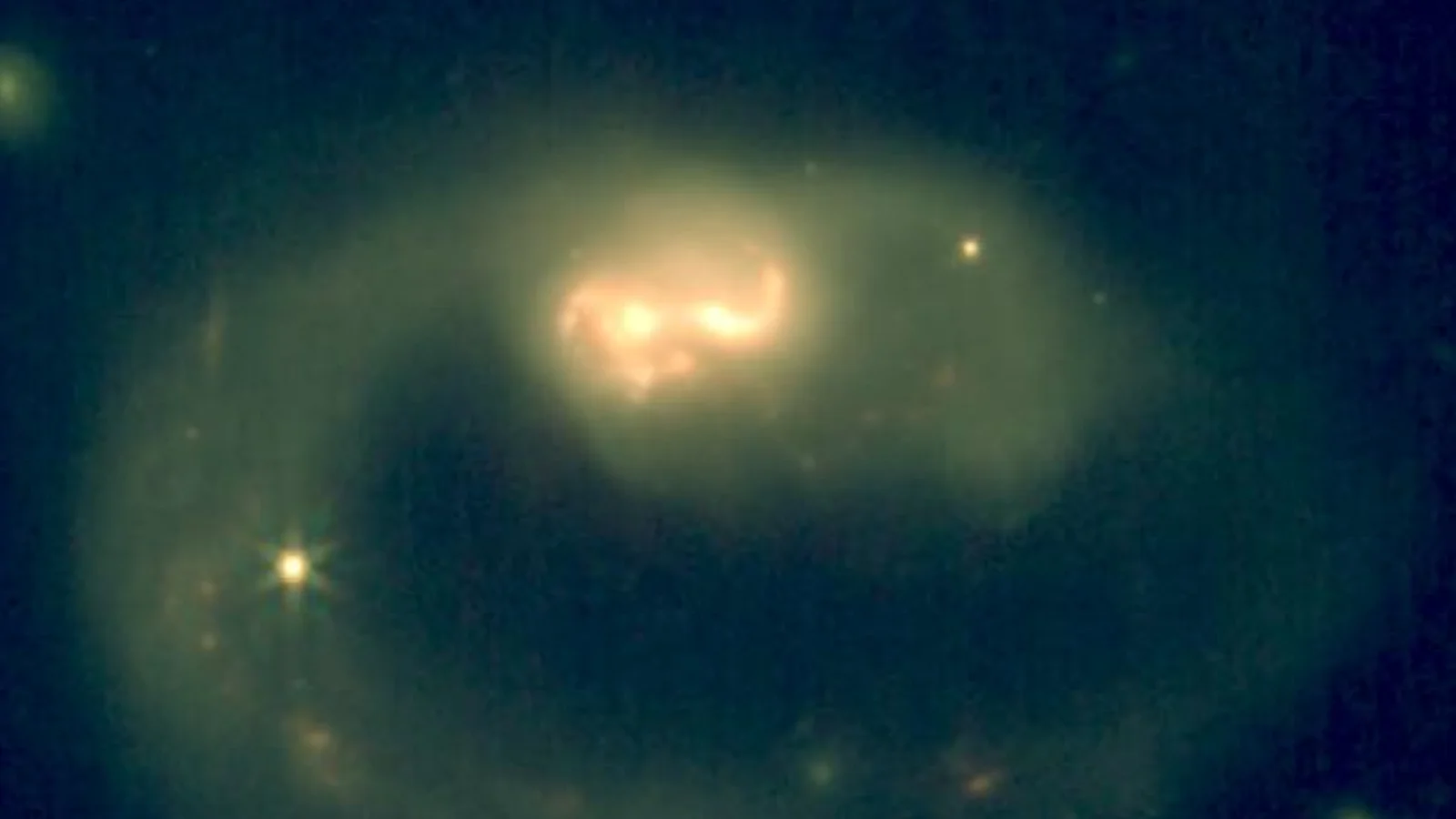
Using the James Webb Space Telescope to study the dusty heart of ultra-luminous galaxy IRAS 07251-0248, scientists detected a rich chemistry of small organic molecules (like benzene, methane, acetylene, diacetylene, triacetylene, and methyl radicals) and carbon-based dust with water ice. The abundances exceed current models, implying a persistent carbon source and possible cosmic-ray processing that releases these organics, which could act as precursors to more complex biomolecules and life, offering a window into space-based prebiotic chemistry and the galaxy’s role in forming life's building blocks.
Topics:scienceastronomy#astronomy#building-blocks-of-life#iras-07251-0248#james-webb-space-telescope#organic-molecules#prebiotic-chemistry
- James Webb Space Telescope finds precursors to 'building blocks of life' in nearby galaxy Space
- JWST uncovers rich organic chemistry in a nearby ultra-luminous infrared galaxy Phys.org
- Abundant Hydrocarbons In A Buried Galactic Nucleus With Signs Of Carbonaceous Grain And Polycyclic Aromatic Hydrocarbon Processing astrobiology.com
- JWST reveals hydrocarbon-rich material in a buried galactic nucleus Nature
- James Webb Space Telescope reveals an exceptional richness of organic molecules in one of the most infrared luminous galaxies in the local Universe EurekAlert!
Want the full story? Read the original reporting
Read on Space