
New Compound XJ-4-85 Exploits Cancer Metabolism to Starve Tumors
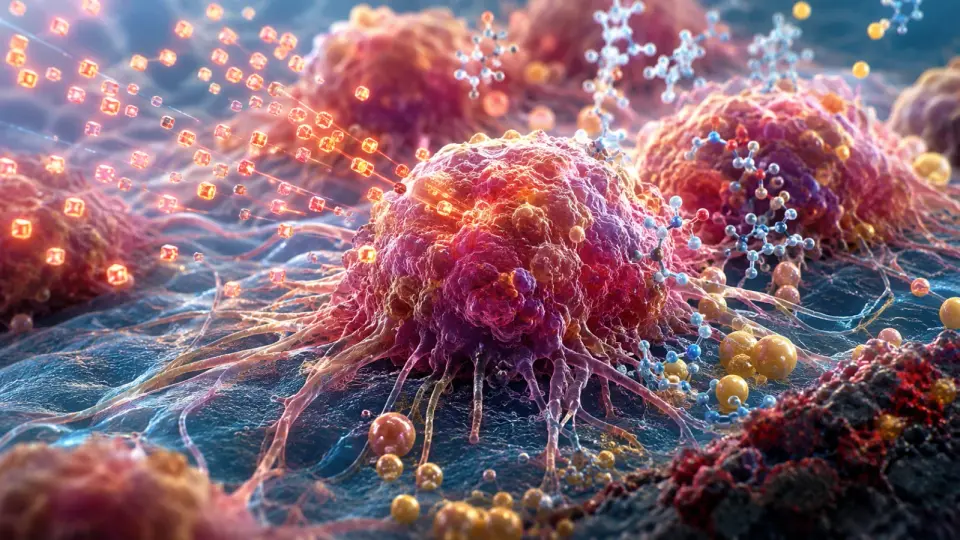
Researchers at the University of Texas at Austin have developed an experimental compound, XJ-4-85, that attacks cancer by accelerating sugar metabolism while simultaneously blocking fat usage. Published in Nature Chemical Biology, the study shows the drug kills multiple cancer cell types in labs and slows melanoma growth in mice by creating a metabolic trap that prevents tumor adaptation.
Key points
- The compound XJ-4-85 binds to the enzyme PFKL to speed up glycolysis, forcing cancer cells to burn more sugar than usual.
- Simultaneously, the drug releases a payload that inhibits CPT2, disrupting the cell's ability to use fatty acids for energy.
- This dual mechanism creates a metabolic trap, leaving cancer cells without backup fuel sources and causing cell death in melanoma, leukemia, breast, lung, liver, and neuroblastoma models.
- The approach uses electrophile-drug conjugates (EDCs), which are small molecules easier to manufacture than antibody-drug conjugates and capable of targeting proteins inside cells.
- While non-cancerous cells showed less impact in early tests, the research remains in preclinical stages with no human trials conducted yet.
Background
Previous coverage in August 2026 highlighted this same UT Austin research as a potential alternative to antibody-drug conjugates, noting the promise of targeting intracellular proteins. The current report confirms these findings, detailing the specific molecular mechanisms involving PFKL and CPT2 and emphasizing the potential for broader applications beyond cancer.
Why it matters
This strategy shifts cancer treatment from starving tumors of sugar to overloading their metabolic systems, potentially overcoming resistance mechanisms. The use of small-molecule EDCs could lead to more accessible and precise therapies for various diseases, not just cancer, by targeting internal cellular pathways that traditional antibodies cannot reach.
What to watch
The research team must now conduct further laboratory studies to assess safety, dosing, and long-term effects. Future work will determine if cancer cells can develop resistance to this dual metabolic attack and if the EDC platform can be applied to other diseases involving faulty enzymes.
Want the full story? Read the original reporting
Read on thebrighterside.news