
New Study Links Regular Forest Hiking to Reduced Inflammation and Improved Immune Function in Seniors
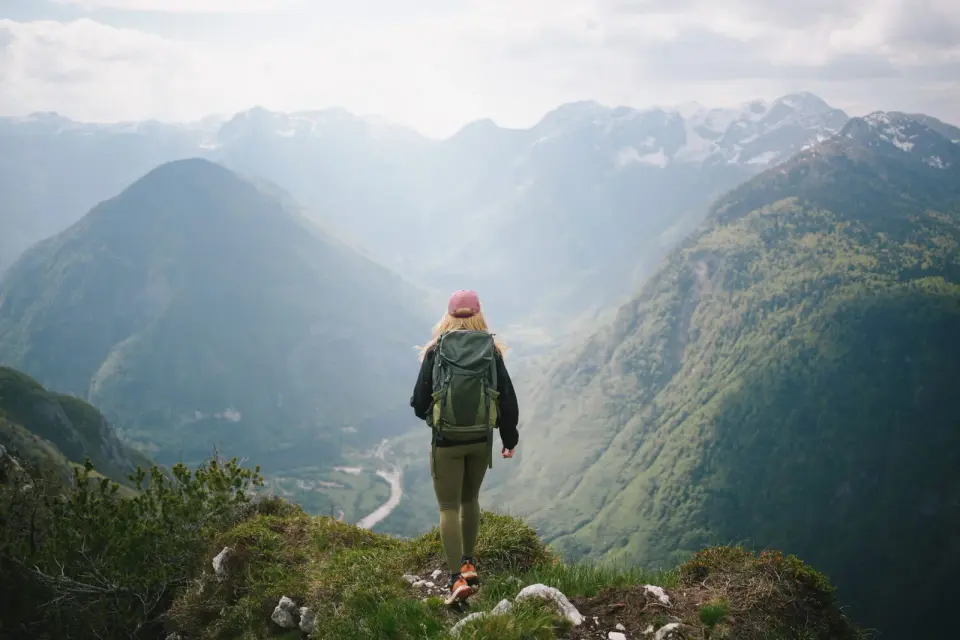
A recent study in Scientific Reports shows that 120-minute forest hikes twice weekly for three months significantly reduce body fat, increase muscle mass, and lower inflammation markers in older adults. Experts explain that hiking boosts oxygen delivery, strengthens the heart, and enhances brain function through exposure to new stimuli.
Key points
- A study involving 34 sedentary adults aged 66 to 78 found that hiking in a forest for 120 minutes twice a week for three months led to reduced body fat, increased muscle mass, and higher aerobic capacity.
- Participants showed a reduction in inflammation markers and an increase in interleukin-12, a protein that activates natural killer cells which destroy infected or abnormal cells.
- Physical therapist Milica McDowell noted that outdoor exercise impacts mood and stress levels, creating a stacked effect where physical activity is combined with mental health benefits.
- Exercise physiologist Chris Anderson explained that hiking increases capillary density in muscles, allowing for more efficient oxygen transport and improved VO2 max over time.
- Regular aerobic training leads to 'athlete’s heart' adaptations, where heart chambers enlarge and blood volume increases, allowing the heart to pump more blood per beat.
- Hiking improves cognitive health by increasing blood circulation to the brain and engaging neuroplasticity through exposure to new environmental stimuli like unusual sounds or sights.
Background
This report follows recent discussions on the importance of early detection and management of chronic conditions, such as the Parkinson's diagnosis revealed by Marshall Faulk, and the rising costs of healthcare, with family premiums reaching $28,303 in 2026. Hiking offers a low-cost, accessible method to improve overall health and potentially reduce the need for medical interventions.
Why it matters
As healthcare costs rise and chronic conditions become more prevalent, accessible outdoor activities like hiking offer a practical, low-cost strategy to improve physical and mental health, reduce inflammation, and support immune function in older adults.
What to watch
Researchers will continue to study the long-term impacts of hiking on immune function, while experts encourage individuals to incorporate hiking into their routines by adjusting difficulty through weight, incline, and elevation to reach overload thresholds for muscle growth.
Want the full story? Read the original reporting
Read on Outside Magazine