
Fucose-Modified Stem Cells Show Promise in Rebuilding Brittle Bones
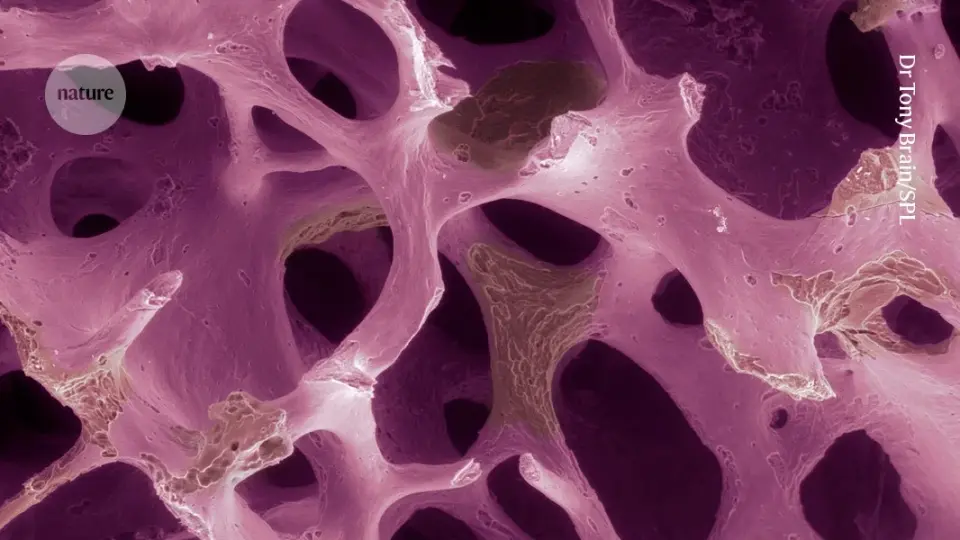
A small clinical trial suggests that modifying bone-marrow cells with the sugar fucose can help them reach bone tissue and significantly reduce fracture rates in women with severe osteoporosis. While the results are promising, the study lacked a control group and direct tracking of the cells, leaving key questions about efficacy and mechanism unanswered.
Key points
- Ten women aged 51 to 72 with advanced osteoporosis received a single infusion of their own bone-marrow cells modified with fucose.
- The trial, reported in Cell, showed a dramatic reduction in fractures, from every one to two years to approximately once per decade.
- The therapy aims to solve a trafficking problem: unmodified mesenchymal stromal cells (MSCs) typically fail to reach bone tissue after injection.
- Adding fucose to MSCs was found in 2008 to help them interact with blood-vessel walls, slowing them down enough to enter bone marrow.
- The trial began in 2015 in Spain, led by José Moraleda at the University of Murcia, after years of preclinical testing and manufacturing refinement.
Background
Osteoporosis affects approximately 200 million women worldwide, particularly after menopause, leading to thin, porous bones prone to fracture. Recent research has explored various avenues for bone health, including the activation of the GPR133 receptor to strengthen bones and muscles, and lifestyle interventions such as impact training and dietary adjustments regarding coffee and tea consumption. These studies highlight the ongoing search for effective treatments to prevent bone loss and fractures in aging populations.
Why it matters
If validated in larger trials, this one-time cell therapy could offer a regenerative approach to treating osteoporosis, potentially rebuilding bone strength rather than just slowing its loss. This could significantly improve quality of life for millions of women who currently suffer from frequent, painful fractures due to brittle bones.
What to watch
Researchers need to conduct larger, controlled trials to confirm the efficacy of the therapy. Crucially, future studies must directly track the therapeutic cells in recipients to verify that sufficient numbers reach the bone tissue to produce the observed benefits.
Want the full story? Read the original reporting
Read on Nature