
USGS Confirms Yellowstone Remains Active but Supereruption Risk Stays Low
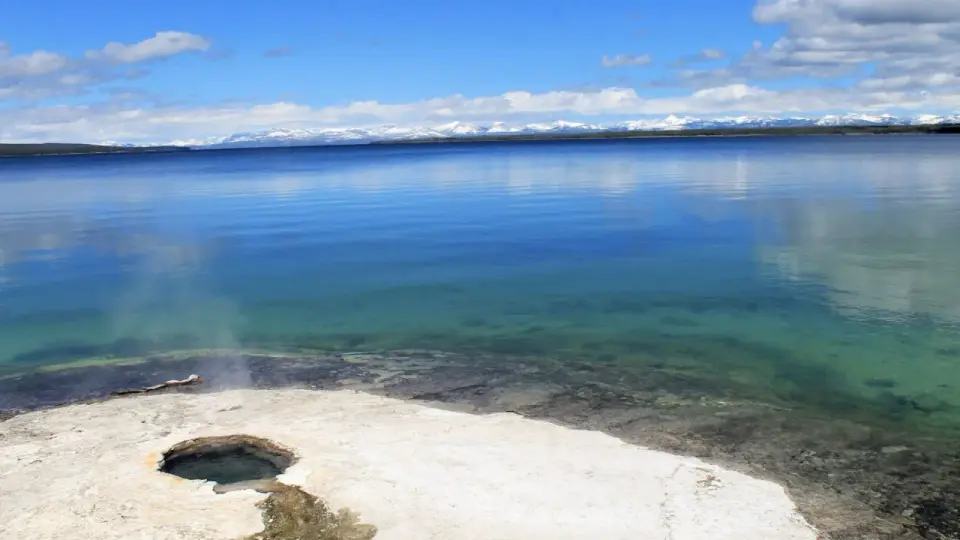
Yellowstone is an active volcano, but a catastrophic supereruption is highly unlikely. The USGS reports normal alert levels and no evidence of sufficient magma accumulation for a major event, with the most probable future activity being localized lava flows or hydrothermal explosions.
Key points
- The USGS maintains Yellowstone’s alert level at 'Normal' as of August 2026, with seismic activity and ground deformation at background levels.
- The volcano has three major caldera-forming eruptions in its 2.1-million-year history, the most recent occurring approximately 631,000 years ago.
- Scientists state that the next eruption is more likely to be a smaller lava flow or a localized hydrothermal explosion rather than a continent-spanning supereruption.
- A hypothetical supereruption could expel over 1,000 cubic kilometers of material, causing severe infrastructure damage, agricultural disruption, and potential long-term climate cooling.
- Monitoring systems, including seismometers and GPS stations, are currently tracking 68 earthquakes in July, with the largest measuring magnitude 3.3.
Background
Recent volcanic activity globally, such as the eruptions of Fuego in Guatemala and Etna in Sicily in early 2026, has highlighted the importance of monitoring active volcanoes. While these events involved evacuations and temporary infrastructure closures, they serve as reminders of the dynamic nature of Earth's crust. Yellowstone, however, remains distinct due to its massive scale and the potential for a supereruption, although current data indicates no immediate threat of such an event.
Why it matters
Understanding the realistic risks of Yellowstone helps mitigate public panic and ensures that emergency preparedness focuses on probable scenarios, such as localized hydrothermal explosions, rather than extreme, low-probability events. Accurate scientific communication is crucial for maintaining public safety and trust in geological monitoring systems.
What to watch
The USGS will continue to monitor seismic activity, ground deformation, and gas emissions at Yellowstone. Any significant changes in these parameters could trigger an increase in the alert level, prompting further investigation and potential public advisories.
Want the full story? Read the original reporting
Read on Interesting Engineering