
Ten Species Defy Time: From 150-Year-Old Sharks to Immortal Jellyfish
A comprehensive review identifies ten animal species capable of living centuries, ranging from the 193-year-old tortoise Jonathan to potentially immortal hydras. While the Seychelles giant tortoise holds the record for the oldest known land animal, marine species like the Greenland shark and ocean quahog clam surpass terrestrial lifespans, with some individuals reaching 500 years or more.
Key points
- Jonathan, a Seychelles giant tortoise on Saint Helena, is 193 years old in 2026, making him the oldest known living land animal, though unconfirmed records suggest an Aldabra tortoise named Adwaita lived to 255 years.
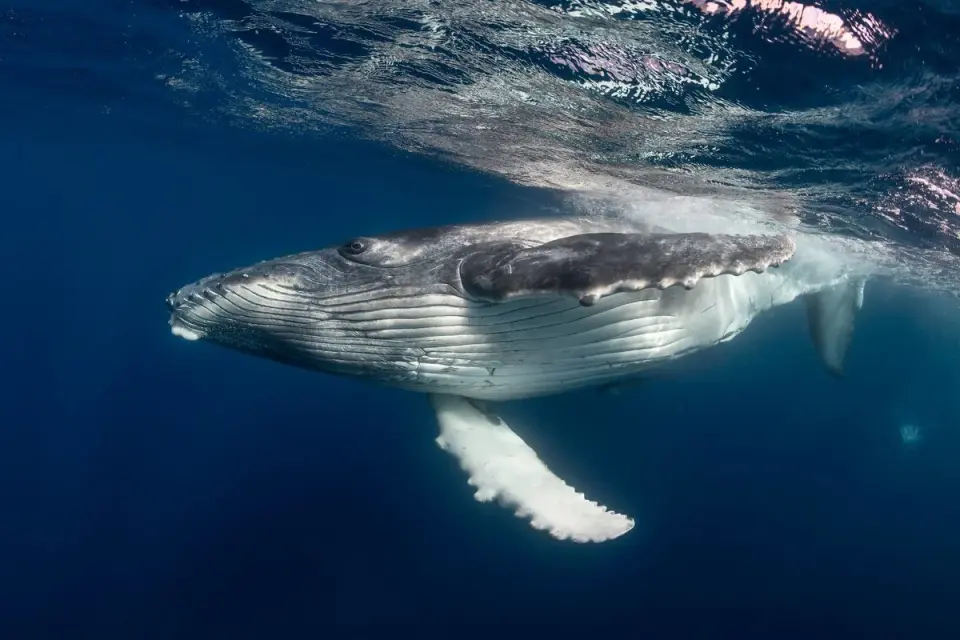
- The red sea urchin and bowhead whale are estimated to live over 200 years; the latter’s longevity is attributed to harsh Arctic conditions and effective DNA repair mechanisms.
- Greenland sharks are the longest-living vertebrates, with ages estimated between 400 and 500 years, featuring a gestation period of 8 to 18 years and sexual maturity at 150 years.
- The ocean quahog clam, native to the North Atlantic, can exceed 500 years, with a specimen dredged in 2006 calculated to be 507 years old based on shell growth lines.
- Black coral colonies have been found at depths of 3,000 meters with ages exceeding 4,000 years, while glass sponges may live up to 15,000 years.
- Immortal jellyfish and hydras are considered biologically immortal because they can revert to earlier life stages or renew cells indefinitely, avoiding biological death.
Background
Previous coverage in June 2026 confirmed Jonathan’s status as a Guinness World Records Icon and clarified that he remained alive despite earlier rumors of his death. The current report expands on this by comparing his lifespan to other extreme longevity cases in marine and invertebrate species.
Why it matters
Understanding extreme longevity provides critical insights into biological aging, DNA repair mechanisms, and the impact of environmental factors on lifespan. These findings contribute to broader research in gerontology and conservation, highlighting how specific physiological traits, such as indeterminate growth or metabolic stability, can mitigate the effects of aging in various species.
What to watch
Researchers will continue to investigate the specific genetic and physiological pathways that enable these species to avoid aging-related mortality. Conservation efforts for species like the Seychelles giant tortoise will likely focus on maintaining stable populations, while further studies may refine age estimates for deep-sea organisms like black coral and glass sponges.
Want the full story? Read the original reporting
Read on BBC Wildlife Magazine