
New Zealand’s Public Funding of Unproven Indigenous Claims Draws Scientific Criticism
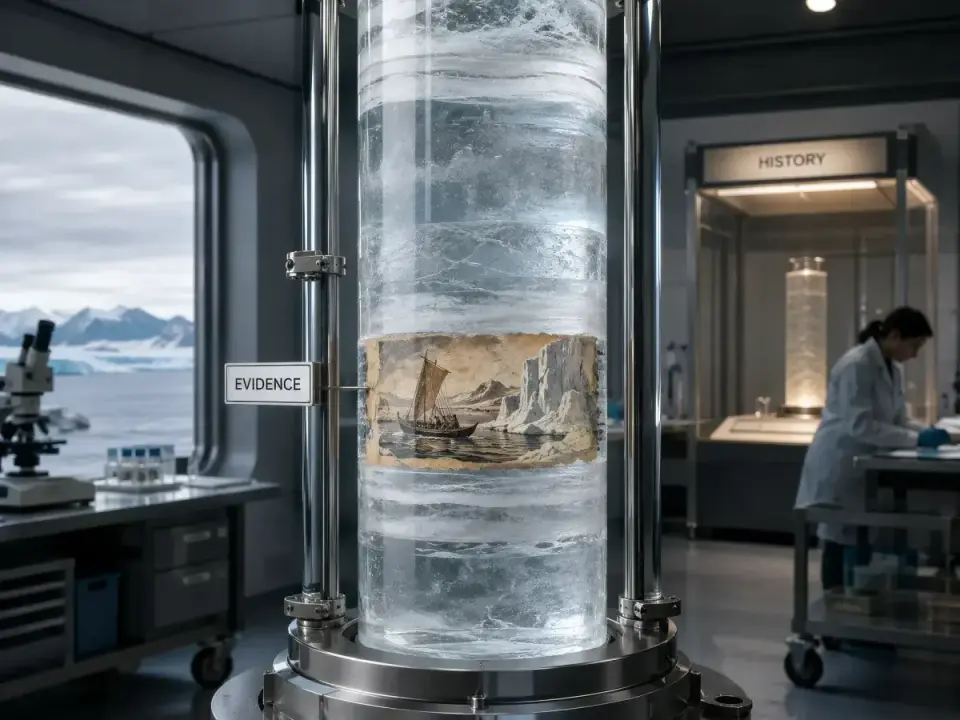
New Zealand’s government has allocated millions of dollars to research projects based on Māori oral traditions and folklore that lack empirical support or plausible biological mechanisms. Critics argue that cultural deference is lowering scientific standards, leading to the funding of studies such as playing whale songs to diseased trees and promoting the unproven claim that Polynesians discovered Antarctica in the 7th century.
Key points
- The New Zealand government spent NZ$1.2 million on a study of lunar phases and health, and NZ$400,000 on lunar influences on birthing outcomes, despite a lack of controlled evidence.
- A NZ$521,000 project attempted to heal kauri trees by playing whale songs and reciting prayers, based on the myth that whales and trees are ancestral siblings; critics note trees lack physiological mechanisms to respond to sound waves.
- A NZ$1.1 million study using a balm with pulverized whale bones failed to show measurable success, with researchers pivoting to subjective anecdotes and omitting ingredient lists, hindering replication.
- A government-funded documentary promoted the claim that Māori ancestors reached Antarctica in the 7th century, a theory debunked by scholars due to navigational impossibilities and lack of archaeological evidence.
- The Ministry of Education continues to include the Antarctica narrative in school curricula, despite scholarly rebuttals, while the original 2021 paper supporting the claim received over 21,000 views compared to fewer than 1,400 for the rebuttal.
Background
This controversy follows earlier debates over the integration of indigenous knowledge into scientific and educational frameworks. While previous discussions focused on the value of traditional ecological knowledge, this case highlights tensions when folklore is presented as historical or scientific fact without empirical validation. The broader issue of public funding for projects with questionable scientific merit has been noted in other contexts, but here it is specifically tied to cultural sensitivity and the reluctance of media and politicians to challenge claims for fear of being labeled racist.
Why it matters
The case raises concerns about the erosion of scientific standards when cultural or political considerations override evidence-based assessment. It highlights the risk of public trust in science and educational institutions being undermined by the promotion of unverified claims, and the potential misuse of public funds for projects that lack rigorous methodology or plausible mechanisms.
What to watch
The debate is likely to continue as the Ministry of Education maintains the Antarctica narrative in curricula, and further public funding for similar projects may be scrutinized. Critics may push for stricter peer review and transparency in government-funded research, while supporters of indigenous knowledge may argue for the inclusion of traditional perspectives in scientific discourse, albeit with clearer distinctions between myth and empirical fact.
Want the full story? Read the original reporting
Read on Skeptic