
UK and Iberian Spectators React to Rare Solar Eclipse Amid Safety Warnings
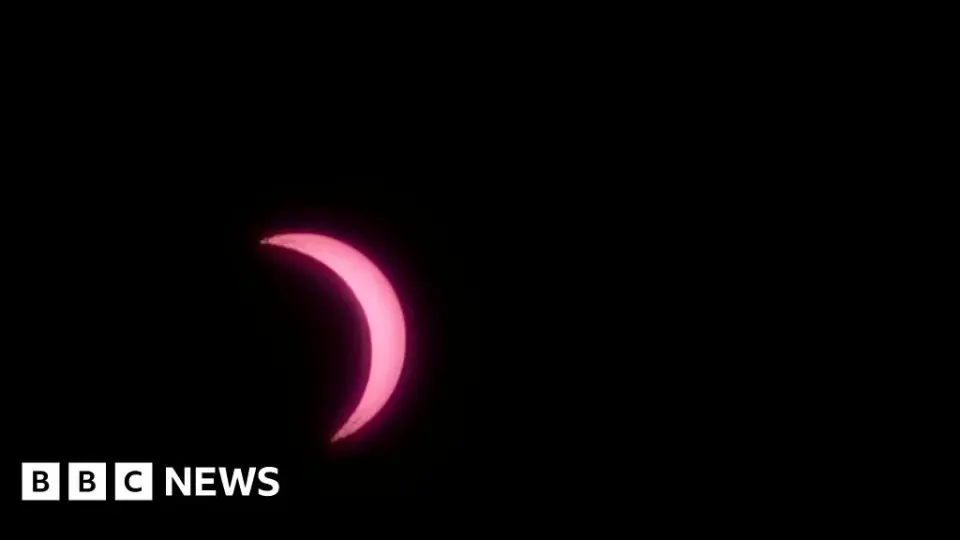
A rare solar eclipse swept across Europe on August 12, 2026, marking the first total event visible from the continent since 1999. While Spain and Iceland experienced totality, the UK witnessed a partial eclipse, drawing crowds to coastal spots in Cornwall and Yorkshire. Medical experts warned of potential eye injuries from improper viewing, noting that symptoms like central vision spots may appear days later. The event boosted tourism and local business, though some areas faced challenges from wildfire smoke.
Key points
- The August 12, 2026, solar eclipse was the first total event visible from Europe since 1999, with totality observed in Greenland, Iceland, and northern Spain.
- In the UK, the event was a partial eclipse, but Cornwall and Yorkshire saw significant turnout, with residents using makeshift devices like colanders and pinhole cameras.
- Ophthalmologist Dr. Laura Sararols warned that solar retinopathy symptoms, such as blurred vision or dark spots, may not appear for one to two days after exposure.
- Spain drew approximately 450,000 visitors for the event, boosting tourism and hospitality, while some UK locations faced interference from wildfire smoke near Land’s End.
- Experts emphasized that looking at the sun through binoculars or unfiltered cameras is highly dangerous, while filming via a phone screen without direct eye exposure is generally safe.
Background
This event follows a series of astronomical highlights in 2026, including the Perseid meteor shower peak on August 12. Previous coverage noted that the eclipse path included a rare horizon-totality in Mallorca and a double-header with meteor showers. The 1999 eclipse was the last total event seen in Europe, making this 2026 occurrence a significant milestone for astronomers and tourists alike.
How outlets are covering it
BBC highlighted the visual spectacle in Yorkshire and Cornwall, noting community gatherings and the use of improvised viewing tools. The Guardian focused on the communal and emotional aspects, describing the 'magical eeriness' felt by spectators in Cornwall and the logistical efforts of local groups. Euronews provided a medical perspective, detailing the risks of solar retinopathy and the delayed onset of symptoms, contrasting with the celebratory tone of the other outlets. All sources agreed on the rarity of the event, but differed in emphasis: BBC and The Guardian focused on the human experience, while Euronews focused on health risks.
Why it matters
The eclipse served as a major cultural and scientific event, demonstrating the public's interest in astronomical phenomena and the importance of safety protocols. It also highlighted the economic impact on tourism in affected regions and the potential for long-term health consequences if proper viewing methods are not followed. The event reinforced the need for public education on eye safety during such rare occurrences.
What to watch
Medical professionals will monitor for reports of solar retinopathy in the coming days. Tourism boards in Spain and the UK may analyze the economic impact of the event. Future astronomical events will likely see increased demand for certified eclipse glasses and stricter safety guidelines for public viewing.
- Photos show rare solar eclipse in Yorkshire BBC
- Crowds in awe at solar eclipse in South's skies BBC
- How and When You Can Watch August's Stunning Partial Solar Eclipse From the U.K. and Ireland Time Magazine
- ‘A magical eeriness’: Cornwall comes together for communal moment during solar eclipse The Guardian
- How to tell if the eclipse damaged your eyes: key warning symptoms Euronews.com
Want the full story? Read the original reporting
Read on BBC