
Artemis 2 Crew Survives Historic Moon Flyby as Orion Heat Shield Flaws Are Resolved
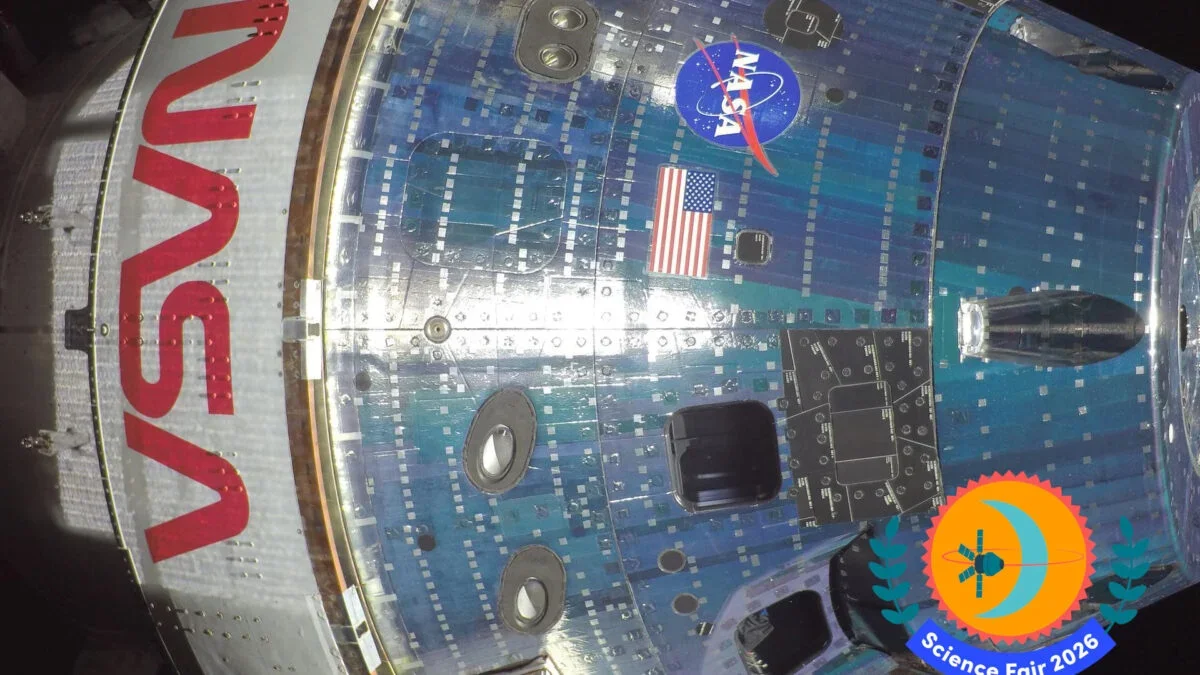
NASA’s Artemis 2 mission successfully validated the Orion spacecraft’s life support and reentry systems, marking the first crewed lunar flyby since the Apollo era. The four-person crew completed a 10-day journey around the Moon, demonstrating that the vehicle can safely return astronauts to Earth. A redesigned reentry profile prevented the severe heat shield damage seen in the uncrewed Artemis 1 test, ensuring the capsule remained structurally sound. This success clears a critical hurdle for future lunar landings, with Artemis 3 now scheduled to test commercial landers in 2027.
Key points
- Artemis 2 launched on April 1, 2026, carrying astronauts Reid Wiseman, Victor Glover, Christina Koch, and Jeremy Hansen on a 10-day journey around the Moon.
- The mission validated Orion’s life support systems and manual proximity operations, with only minor issues like toilet malfunctions reported by flight director Judd Frieling.
- Orion’s heat shield performed flawfully during reentry, showing only about nine char sites compared to over 100 in the previous Artemis 1 flight.
- NASA engineers altered the reentry profile to a steeper angle to avoid the 'skip' trajectory that caused gas buildup and cracking in the Avcoat material during Artemis 1.
- The success of Artemis 2 is a prerequisite for Artemis 3, which will test SpaceX and Blue Origin landers in low Earth orbit before a planned lunar landing in Artemis 4.
Background
This mission follows the uncrewed Artemis 1 flight, which revealed significant heat shield damage due to a specific atmospheric entry profile. Recent archive coverage notes that the Artemis 2 crew received the Congressional Space Medal of Honor in August 2026, and that NASA has been expanding its Deep Space Network to support these high-priority missions. The current success confirms that the agency has resolved the engineering challenges identified in earlier tests, moving the program closer to its goal of establishing a permanent presence near the lunar south pole.
Why it matters
The success of Artemis 2 is critical because it validates the safety of the Orion spacecraft for human spaceflight beyond low Earth orbit. By proving that the heat shield and life support systems can withstand the extreme conditions of a lunar journey, NASA has removed a major technical barrier to its goal of returning humans to the Moon. This achievement also positions the United States to compete with China for strategic advantages in lunar exploration and resource utilization, while paving the way for the commercial partnerships required for future landings.
What to watch
NASA is now preparing for Artemis 3, currently slated for launch in 2027. This mission will involve four astronauts aboard Orion rendezvousing with test versions of the SpaceX Starship Human Landing System and the Blue Origin crew lander in low Earth orbit. Following the success of Artemis 3, the agency plans to attempt the first crewed lunar landing with Artemis 4, aiming to establish a permanent human presence on the Moon.
Want the full story? Read the original reporting
Read on Gizmodo