
Colossal Biosciences Sparks Debate Over 'De-Extinction' Claims and Mammoth Timelines
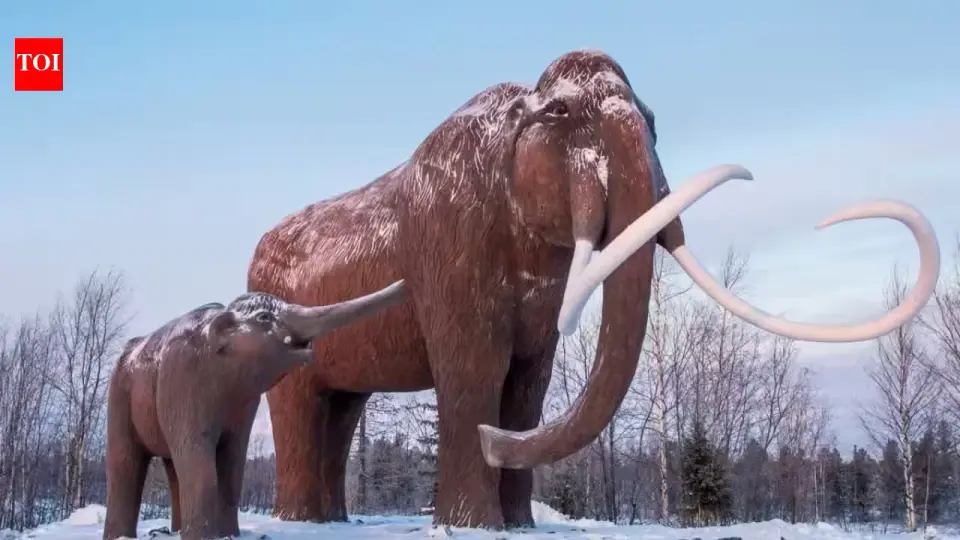
Colossal Biosciences has generated significant controversy regarding its 'de-extinction' efforts. While the company claims to have revived the dire wolf using AI and gene editing, critics argue the resulting pups are merely modified gray wolves. The firm is now targeting the woolly mammoth for the 2030s, citing ecological benefits, though skeptics question the scientific validity and ethical implications of the project.
Key points
- Colossal Biosciences produced three pups, named Romulus, Remus, and Khaleesi, in October 2024, claiming they are the first revived dire wolves.
- The process involved using AI to reconstruct the dire wolf genome from fossilized DNA and editing the cells of modern gray wolves, which were then carried by surrogate dogs.
- The company is now focusing on reviving the woolly mammoth by inserting cold-weather traits into Asian elephants, with a target birth date in the 2030s.
- Critics argue that the dire wolf pups are genetically modified gray wolves, as the edits represent only 0.0002% of the genome difference between the two species.
- Colossal CEO Ben Lamm defends the project by arguing that the animals serve the ecological functions of the extinct species, regardless of genetic purity.
Background
This development follows previous delays in the woolly mammoth project, which was originally targeted for 2028 but pushed to the 2030s due to the complexity of editing over 150 genes. The project is part of a broader trend in synthetic biology, with other initiatives like the Lazarus Project in Australia also pursuing de-extinction through genetic engineering. The current debate occurs against a backdrop of global biodiversity crises, with scientists warning that half of all species could be lost in the next 25 years.
How outlets are covering it
The Times of India and CNBC present Colossal Biosciences' efforts as a significant scientific achievement, highlighting the use of AI and CRISPR to revive extinct species. Ben Lamm, the company's CEO, emphasizes the ecological benefits, such as preserving Arctic permafrost and converting forests to grasslands. However, Esquire Singapore and Why Evolution Is True offer critical perspectives. The latter argues that the dire wolf pups are not true dire wolves but rather gray wolves with minor morphological changes, criticizing Colossal for redefining 'species' to fit their narrative. Esquire Singapore notes the ethical and financial implications, questioning whether the technology is better suited for conserving endangered species rather than reviving extinct ones. The debate also touches on the broader ethical concerns of genetic manipulation and the potential for 'playing God.'
Why it matters
The controversy surrounding Colossal Biosciences highlights the intersection of advanced genetic technology and ethical debates in conservation. The success or failure of de-extinction projects could influence public perception and policy regarding genetic engineering, potentially impacting future conservation efforts and the development of new biotechnologies. The project also raises questions about the role of AI in scientific research and the potential for commercializing genetic manipulation.
What to watch
Colossal Biosciences is expected to continue its work on the woolly mammoth project, with a target birth date in the 2030s. The company may also expand its efforts to other extinct species, such as the dodo bird and the Tasmanian tiger. The ongoing debate over the validity of de-extinction claims could lead to increased scrutiny of the company's methods and potentially influence regulatory frameworks for genetic engineering. Additionally, the project may attract further investment and public attention, potentially accelerating the development of new biotechnologies.
- Using AI models, scientists are trying to do a Jurassic Park; bring back to Earth extinct Grey Wolf pups The Times of India
- How de-extincting dire wolves and woolly mammoths may extend human life CNBC
- Noah's Ark 2.0: Ben Lamm on Building Colossal's De-Extinction Machine Dealroom
- Colossal Genetics Esquire Singapore
- Colossal Biosciences continues to tout its faux “dire wolves” Why Evolution Is True
Want the full story? Read the original reporting
Read on The Times of India