
ISS Crews Face Biological Crisis from 16 Daily Sunrises, Prompting NASA to Engineer Artificial Light Cycles
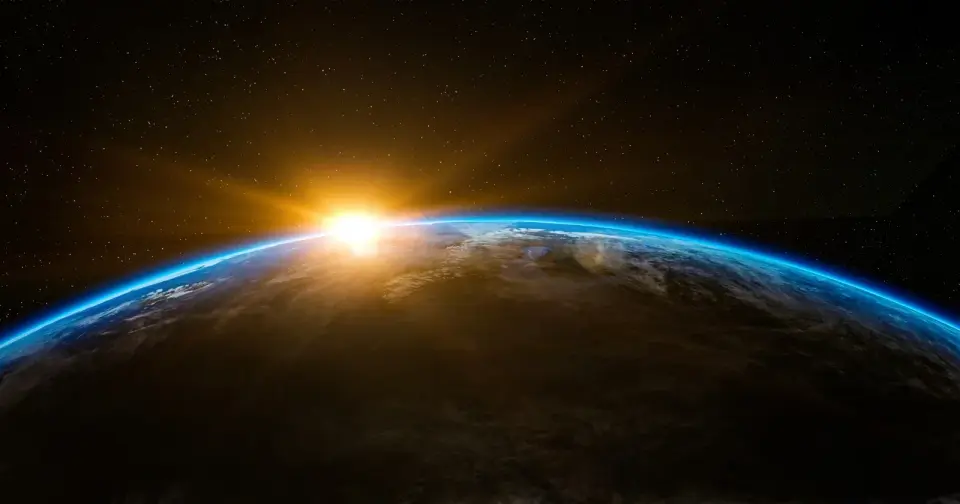
Astronauts on the International Space Station experience sixteen sunrises and sunsets daily, disrupting their natural circadian rhythms. A 2016 study found this leads to poor sleep and cognitive decline. NASA responded by installing smart LED lighting systems to artificially regulate hormone release and sleep cycles, though full biological synchronization remains elusive.
Key points
- The ISS orbits Earth every 92 minutes, exposing crew to sixteen day-night cycles per 24-hour period.
- A 2016 study in Nature’s npj Microgravity tracked 21 astronauts, finding they slept an average of 6 hours and 5 minutes in space versus 7 hours on Earth.
- Circadian misalignment in space is linked to reduced cognitive performance during critical operational hours.
- NASA replaced fluorescent lights with LED panels that shift color temperature to mimic Earth’s daily light cycle, suppressing melatonin in the morning and promoting it at night.
- Station windows are covered during scheduled sleep times to prevent natural orbital light from interfering with the artificial circadian schedule.
Background
Previous coverage in July 2026 highlighted the visual experience of sixteen sunrises from the ISS, emphasizing the 'overview effect' and the thin blue line of Earth's atmosphere. This current briefing shifts focus from the aesthetic perspective to the physiological impact of that orbital rhythm on human biology.
Why it matters
This highlights a fundamental limitation of human biology in spaceflight: our circadian systems, evolved over billions of years for a single 24-hour rotation, cannot naturally adapt to the rapid orbital cycles of low Earth orbit. The reliance on engineered lighting and pharmaceuticals to maintain basic sleep and cognitive function underscores the significant physiological strain astronauts endure, raising questions about the feasibility of long-duration missions to Mars or the Moon without advanced biological countermeasures.
What to watch
NASA continues to refine the Solid-State Lighting Assembly and monitor its effectiveness in mitigating circadian drift. Future research will likely focus on whether these artificial light cues can fully restore cognitive performance and sleep quality to Earth-like levels, or if additional interventions are needed for missions beyond low Earth orbit.
Want the full story? Read the original reporting
Read on Space Daily