
Lead Detection and AI Breakthroughs Unlock Herculaneum's Buried Library
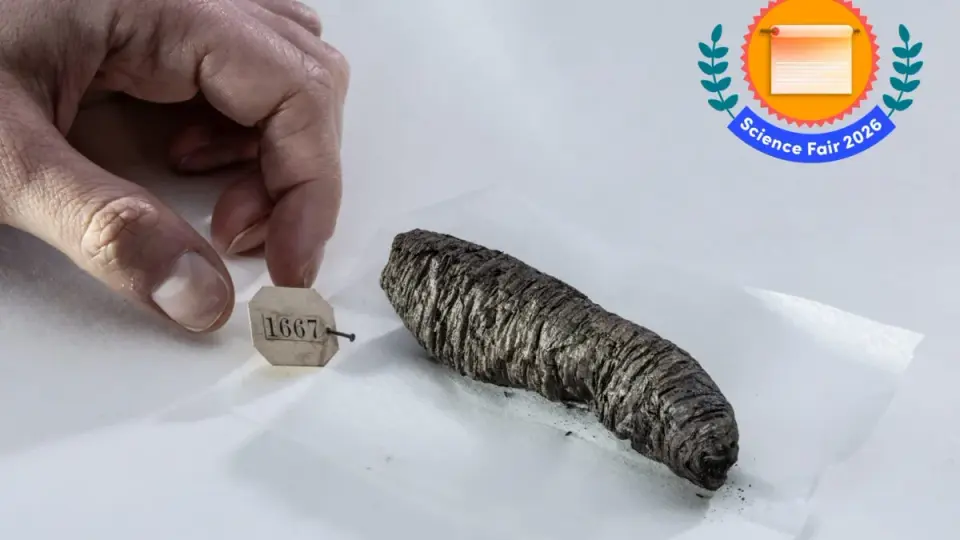
Scientists have successfully deciphered a full 2,000-year-old papyrus scroll from Herculaneum without physically unrolling it, using X-ray tomography and AI. A new study proposes using lead detection in ink to improve readability of the remaining brittle scrolls.
Key points
- In June 2026, the Vesuvius Challenge team virtually unwrapped and deciphered scroll PHerc. 1667, a Stoic philosophical treatise on ethics and human nature, marking the first full scroll read without physical unrolling.
- The breakthrough relied on X-ray microtomography and computer vision to digitally flatten the carbonized papyrus layers, overcoming the fragility that prevents physical opening.
- A September 2026 study in PLoS ONE suggests detecting lead in ancient ink, rather than carbon, could help distinguish writing from papyrus in the remaining unreadable scrolls.
- Researchers created carbonized papyrus replicas with varying lead concentrations to test this method, successfully recovering text using X-ray fluorescence and custom software.
- The Villa of the Papyri in Herculaneum is the only surviving complete library from antiquity, containing over 1,000 scrolls buried by the 79 CE eruption of Mount Vesuvius.
Background
The Herculaneum scrolls were discovered in the 18th century but remained largely unreadable due to their brittle, carbonized state. Brent Seales began digitizing ancient manuscripts in the 1990s and pioneered virtual unrolling techniques in 2015. The Vesuvius Challenge launched in 2023 as a public competition to decipher these texts, with key milestones including the first word and paragraph readings before the full scroll achievement in 2026.
How outlets are covering it
Gizmodo emphasizes the collaborative nature of the Vesuvius Challenge, highlighting how open data and community participation led to the full decipherment of PHerc. 1667. Nature and SciTechDaily focus on the technical innovation of using lead detection to overcome the carbon-based limitations of standard X-ray tomography. CNN's source was largely inaccessible due to technical errors, but the other outlets agree that while progress is significant, many scrolls remain too damaged for current methods, and further innovation is needed to read the entire collection.
Why it matters
This breakthrough demonstrates that advanced imaging and AI can recover lost knowledge from fragile historical artifacts without causing physical damage. It opens the possibility of reading thousands of unreadable scrolls, potentially revealing new works by ancient philosophers and rewriting our understanding of classical history.
What to watch
Researchers will continue testing lead-detection methods on the remaining Herculaneum scrolls and improve AI algorithms using replica scrolls as training data. The Vesuvius Challenge will likely expand its efforts to decipher more of the 1,000+ scrolls, with hopes that new techniques will make even the most damaged texts readable.
- A Volcano Toasted This Scroll 2,000 Years Ago. Here's How Scientists Read It Without Ever Opening It gizmodo.com
- How lead-based ink may reveal hidden text on scorched Herculaneum scrolls CNN
- Scientists burn their own scrolls to help read 2,000-year-old Herculaneum papyri Archaeology News Online Magazine
- Mount Vesuvius Buried These Scrolls for 2,000 Years – Now Scientists May Read Them SciTechDaily
- Watch scientists decipher burnt scrolls without unrolling them Nature
Want the full story? Read the original reporting
Read on gizmodo.com