Tag

Pleistocene

All articles tagged with #pleistocene

Ancient Skeleton Found at Mexico Airport Dated to Late Ice Age
science1 day ago

Ancient Skeleton Found at Mexico Airport Dated to Late Ice Age

A nearly complete human skeleton discovered during the construction of Mexico’s Felipe Ángeles International Airport has been dated to between 11,700 and 13,087 years ago. Known as 'Yotzin,' the remains of an adult male represent some of the oldest human evidence found in the Valley of Mexico, offering critical insights into early human migration and lifestyle during the transition from the Pleistocene to the Holocene.
DNA Analysis Reclassifies Extinct 'American Cheetah' as Puma Relative
science2 months ago

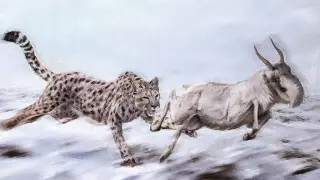
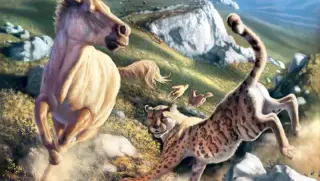
DNA Analysis Reclassifies Extinct 'American Cheetah' as Puma Relative

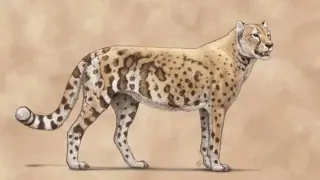
A new study in Current Biology confirms that Miracinonyx trumani, historically known as the 'American cheetah,' is genetically closer to the modern puma than the African cheetah. The research, led by UC Santa Cruz, utilized DNA and isotopic analysis from fossils in Wyoming and the Yukon. Findings reveal the species had a massive range, adapting to fish-based diets in the Arctic and herbivore hunting in the south, before declining due to climate shifts.

science-and-archaeology3 months ago

Taiwan Strait Fossils Suggest Some Denisovans Were Tall, Meat-Eating Hunters

Two leg bones dredged from the seafloor off Taiwan, identified as Denisovan, suggest that some members of this ancient human relative were significantly taller and heavier than previously assumed. The fossils, dated to approximately 45,000 years ago, indicate a diet rich in terrestrial meat and a lifestyle involving high mobility. While these findings offer the first clear glimpse of Denisovan body size, experts caution that the lack of archaeological context and the small sample size limit the ability to generalize these traits to the entire species.

Antarctic Ice Core Extends Earth's Climate Record to 1.2 Million Years
science6 months ago

Antarctic Ice Core Extends Earth's Climate Record to 1.2 Million Years

Europe-wide researchers drilled a 2.8-km Antarctic ice core to produce the longest continuous climate record, about 1.2 million years, showing atmospheric CO2 closely tracking global temperatures across repeated cycles and offering new clues to why ice ages intensified during the Mid-Pleistocene transition. The Beyond EPICA findings—presented at the European Geosciences Union meeting—are early results, not yet peer‑reviewed, with more data to come from the ancient air bubbles trapped in the ice.

Ancient 115,000-Year-Old Human Footprints Discovered in Unexpected Location
archaeology10 months ago

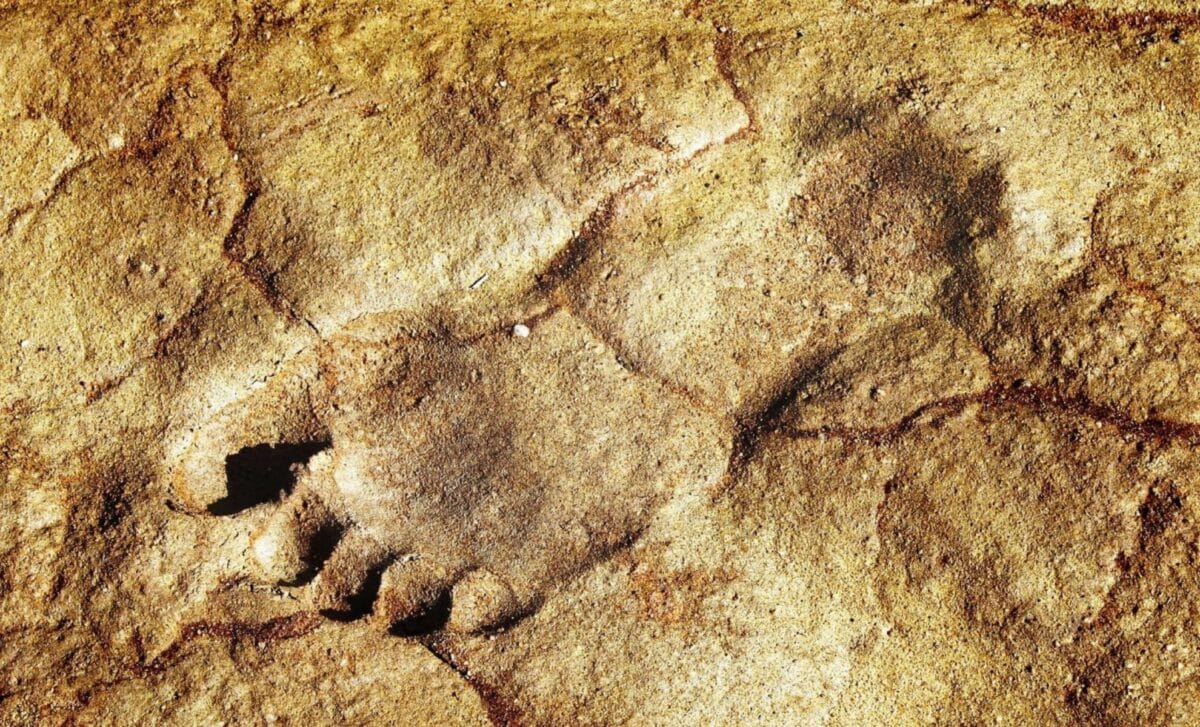
Ancient 115,000-Year-Old Human Footprints Discovered in Unexpected Location

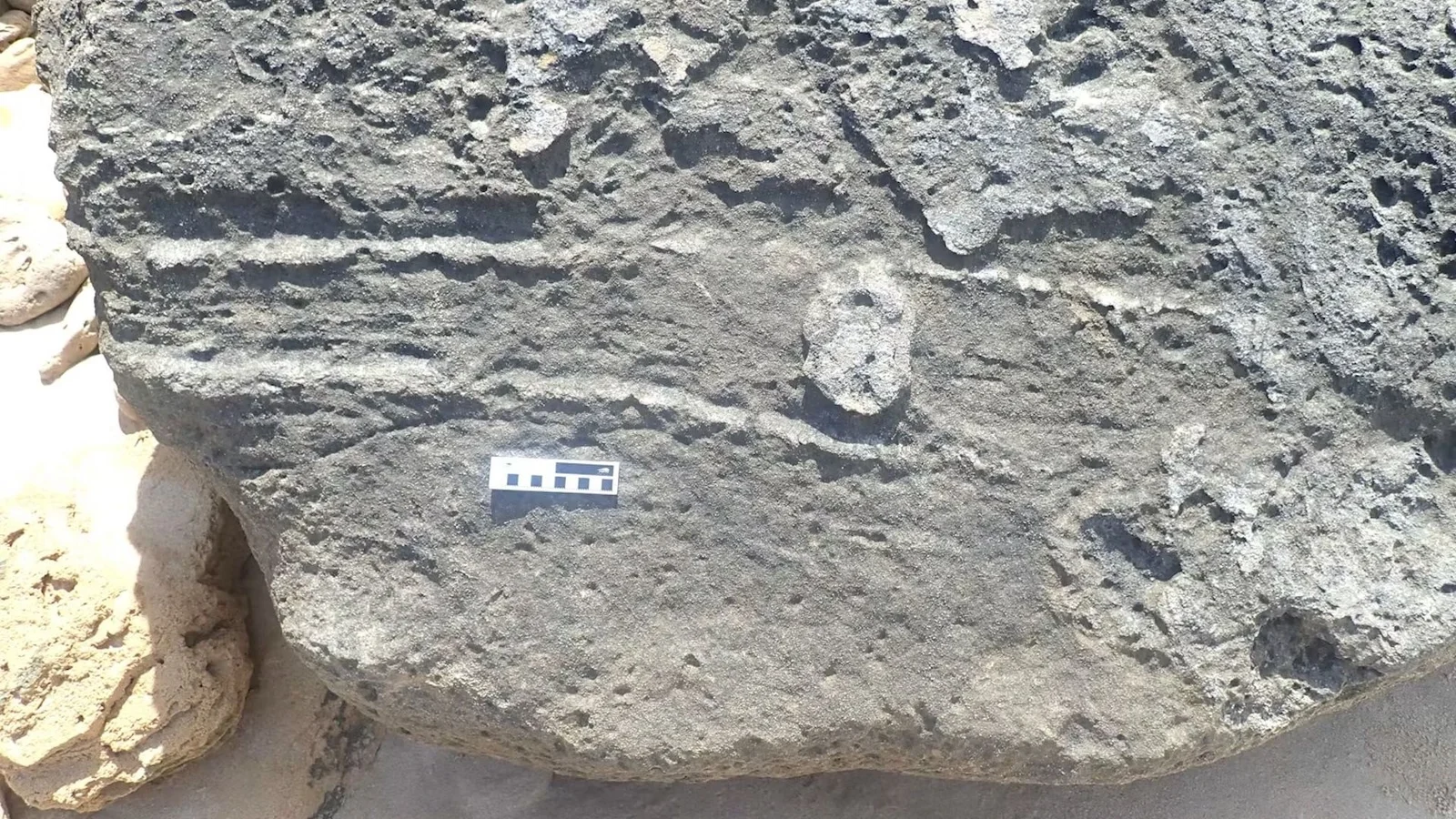
Fossilized human footprints dating back 115,000 years were discovered in Saudi Arabia's Nefud Desert, providing the earliest direct evidence of Homo sapiens in the region, likely made during a brief period when the area supported a freshwater lake and diverse wildlife, indicating early human movement and behavior in a now-arid landscape.

Neanderthal Footprints Discovered on Portugal’s Coast Challenge Human Origins
science1 year ago

Neanderthal Footprints Discovered on Portugal’s Coast Challenge Human Origins

New discoveries along Portugal's Algarve coast have revealed the first fossilized Neanderthal footprints in the region, dating back around 78,000 to 82,000 years. These footprints provide direct evidence of Neanderthal behavior, movement, and social structure, indicating they explored coastal environments and had a diverse diet including deer, horses, and marine resources. This challenges previous ideas about Neanderthal ecology and highlights their adaptability to coastal habitats.

Ancient DNA Discovered in Unexpected Location
science1 year ago

Ancient DNA Discovered in Unexpected Location

Scientists have recovered 200,000-year-old DNA from horse remains at the open-air Schöningen site in Germany, challenging previous assumptions that such genetic material could only survive in cold or sheltered environments. The DNA belongs to an extinct horse species, Equus mosbachensis, and provides new insights into ancient horse lineages and early human hunting practices. This discovery suggests that ancient DNA can be preserved in less protected environments, opening new avenues for archaeological genetic research.