
ISS-evolved phages gain edge against Earth bacteria
TL;DR
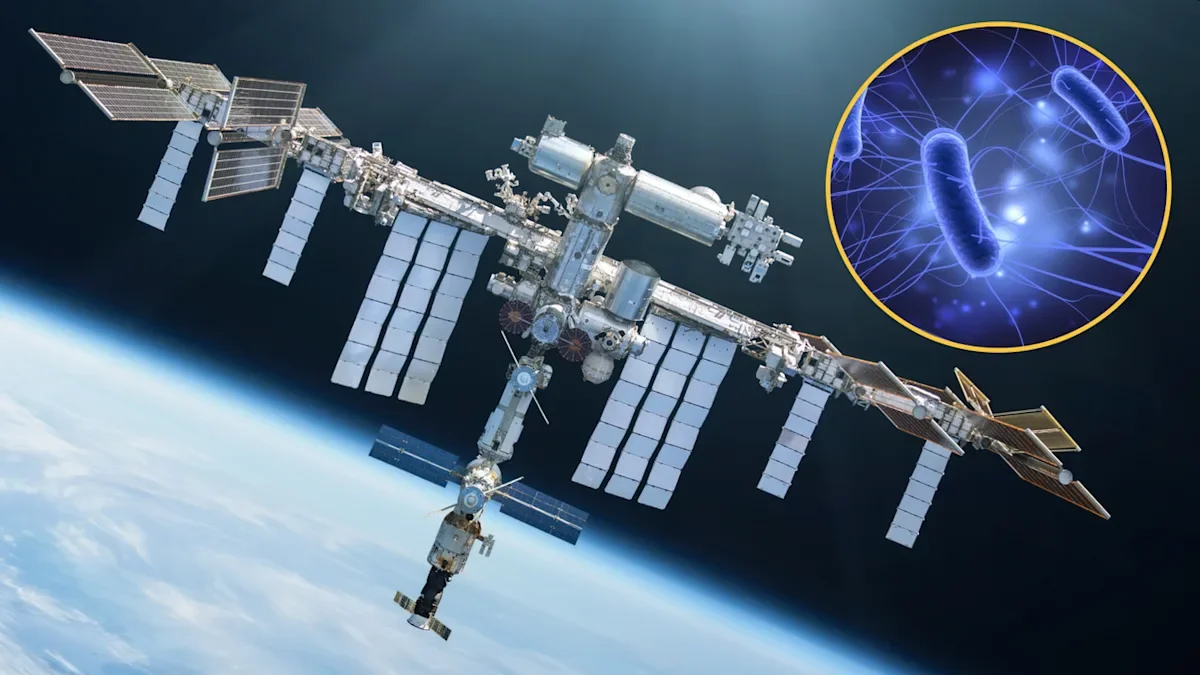
Researchers comparing E. coli infected with the T7 phage aboard the International Space Station to Earth controls found microgravity altered infection dynamics and drove space-exposed bacteria and phages to accumulate distinct mutations. The ISS-evolved phages developed changes in receptor-binding proteins that improved their ability to infect bacteria, and when tested back on Earth they showed increased activity against common urinary tract infection–causing E. coli strains, suggesting space conditions could inform future phage therapies despite practical costs.
- Viruses that evolved on the space station and were sent back to Earth were more effective at killing bacteria Yahoo
- Scientists sent viruses to space and they evolved in surprising ways ScienceDaily
- Scientists Watched Viruses Attack Bacteria in Space. Things Got Weird Gizmodo
- Space experiments reveal new way to fight drug-resistant superbugs, scientists say Fox News
- Bacteria-Killing Viruses Appear to Get Stronger in Space VICE
Want the full story? Read the original reporting
Read on Yahoo