
Geochemist Challenges Deep-Sea Vent Theory for Life's Origin
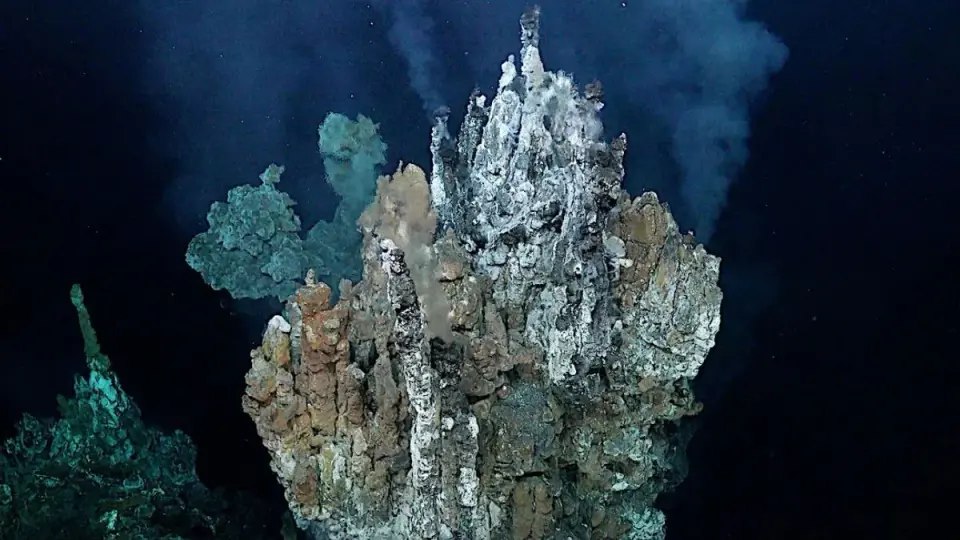
A new study argues that hydrothermal vents are an unlikely birthplace for life, favoring surface lakes instead.
Key points
- Benjamin Tutolo of the University of Calgary argues that the alkaline hydrothermal vent hypothesis for the origin of life is inconsistent with current chemical evidence.
- The paper, published in PNAS, states that ancient oceans and vent fluids lacked the necessary sulfur and proton gradients required for primordial metabolism.
- Tutolo suggests that evaporative lakes or ponds are a more plausible setting for the emergence of RNA, proteins, and lipids.
- The author notes that the persistence of the vent theory may stem from early 20th-century discoveries and a lack of critical re-evaluation as new data emerged.
Background
This debate follows decades of scientific interest in deep-sea environments, particularly after the discovery of the Lost City Hydrothermal Field in 2000, which initially supported the alkaline vent hypothesis. Previous archive items are unrelated to this specific scientific discussion.
Why it matters
Revisiting the origin of life impacts astrobiology, suggesting that searching for life on other planets should prioritize surface lakes over deep-sea vents, potentially shifting focus in planetary exploration.
What to watch
The scientific community will likely debate the validity of Tutolo’s chemical arguments, potentially leading to new research into surface-based abiogenesis models.
Want the full story? Read the original reporting
Read on ScienceAlert