
Space Pollution: The Dark Side of Exploration
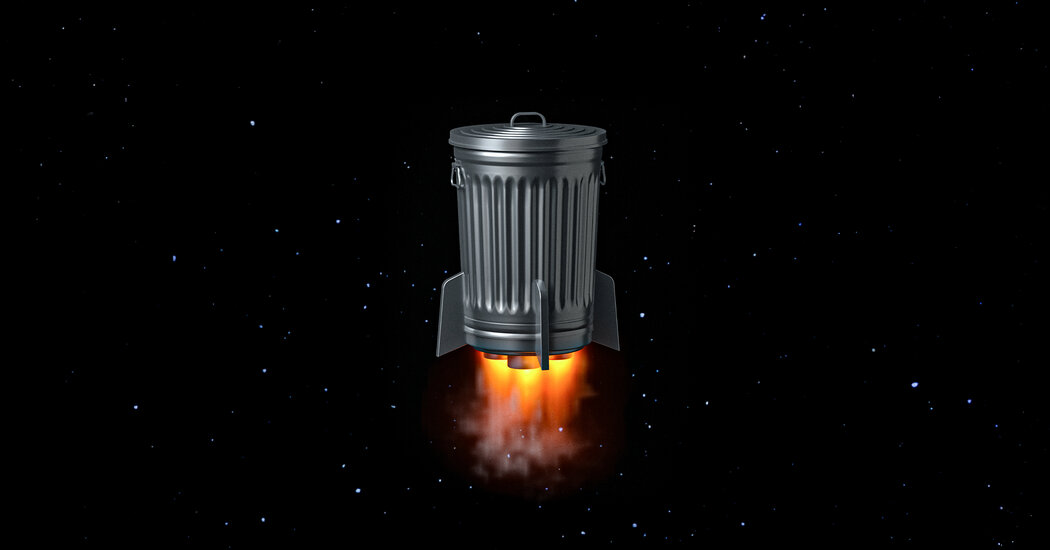
As the International Space Station (I.S.S.) approaches retirement in 2030, the orbital environment it leaves behind is vastly different from when it was built. The number of satellites in orbit has multiplied, and the space is now crowded with human-made space debris. The commercialization of low Earth orbit (LEO) is booming, with projections of a $312-billion-a-year economy by 2035. However, this rapid expansion poses risks, including the threat of collisions and interference with astronomy research. Unfettered profit-seeking and the lack of coordination among national authorities are contributing to the problem. As humanity ventures further into space, it must consider the environmental impact and avoid repeating the mistakes made on Earth.
Want the full story? Read the original reporting
Read on The New York Times