
70 Nations Join Artemis Accords to Fill Enforcement Gaps in 1967 Moon Treaty
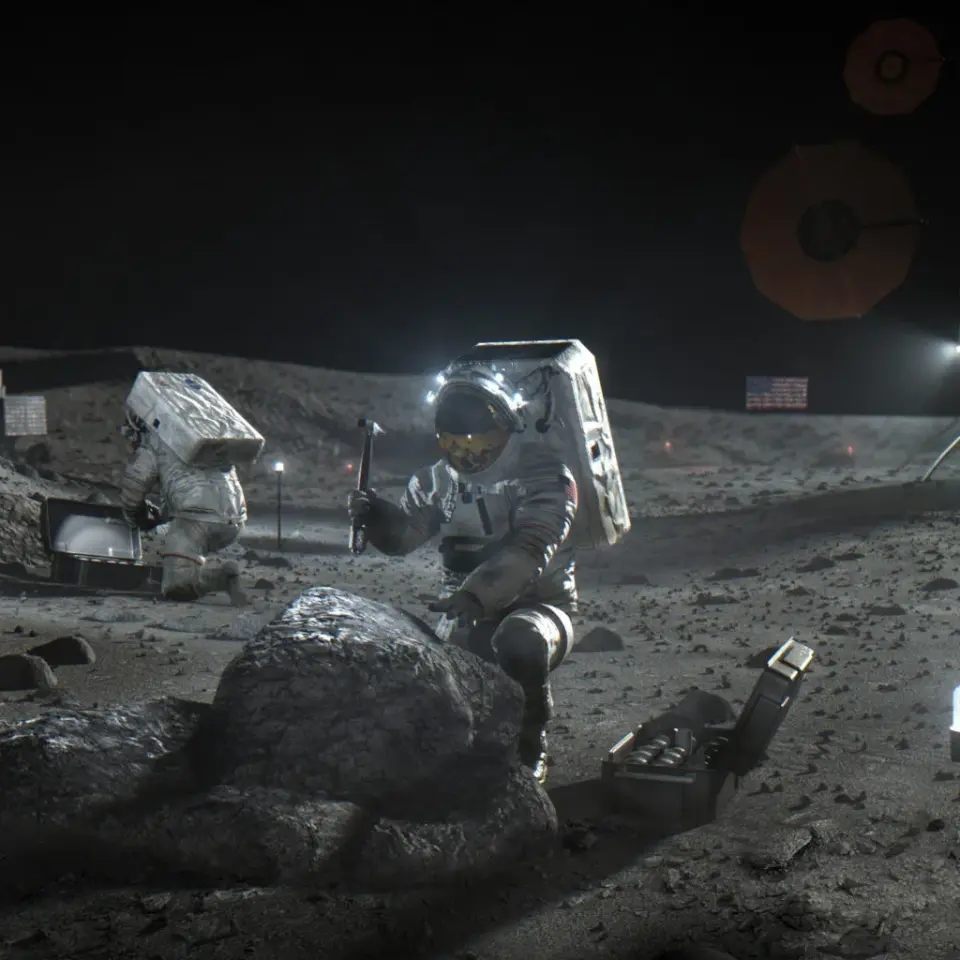
Mauritius became the 70th signatory of the Artemis Accords on July 17, 2026, expanding a non-binding coalition that interprets the 1967 Outer Space Treaty. While the treaty bans national appropriation of the Moon, it lacks enforcement mechanisms. The Accords aim to create practical norms for lunar operations, such as safety zones and resource extraction, without amending existing law or creating a new court.
Key points
- Mauritius joined the Artemis Accords on July 17, 2026, becoming the 70th signatory in a coalition that began in 2020 with the United States and seven partners.
- The 1967 Outer Space Treaty prohibits national sovereignty over celestial bodies but provides no enforcement body, court, or police force to resolve disputes.
- The Artemis Accords are not binding international law; they are political commitments to interpret existing obligations consistently through workshops and diplomatic exchanges.
- Key operational issues include defining temporary safety zones to prevent harmful interference and clarifying rights to extract lunar resources without claiming territorial sovereignty.
- China and Russia are not signatories, limiting the universal applicability of these emerging norms, while a separate UN process develops voluntary principles for space resource activities.
Background
In July 2026, NASA awarded $590 million in contracts to three private firms for lunar landers, accelerating the timeline for human return to the Moon by 2028. This commercial expansion increases the urgency for clear operational rules to manage crowded landing sites and resource extraction, which the 1967 treaty does not address in technical detail.
Why it matters
As lunar activity intensifies, the lack of a dedicated enforcement mechanism for the 1967 treaty creates risks of conflict over resources and landing sites. The Artemis Accords attempt to mitigate this by establishing shared habits and expectations among 70 nations, but their effectiveness depends on voluntary compliance and the ability to distinguish between prudent safety measures and de facto territorial control.
What to watch
The practical rules for lunar operations will likely emerge through consistent behavior, such as standardized notification formats and coordination of safety zones, rather than new binding legislation. A 2026 workshop in Lima focused on implementation, and future success will depend on whether signatories maintain narrow, temporary safety zones or use them to secure exclusive control over valuable terrain.
Want the full story? Read the original reporting
Read on Space Daily