Tag

Artemis Accords

All articles tagged with #artemis accords

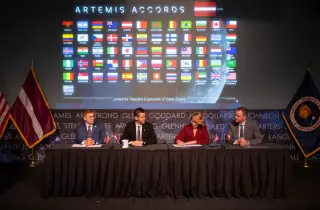
Moon rules in progress: Artemis Accords gain 70 signatories, governing without enforcement teeth
space-policy5 days ago

Moon rules in progress: Artemis Accords gain 70 signatories, governing without enforcement teeth

Seventy countries have joined the Artemis Accords to turn broad space-law principles into practical rules for lunar missions. The accords are non-binding and do not amend the 1967 Outer Space Treaty or create an enforcement body; instead, they rely on notification, coordination, and temporary safety zones, with enforcement through state responsibility and diplomacy. Resource rights remain debated, and the 70-signatory milestone signals momentum toward shared norms, though universal rules will depend on how signatories act when overlaps or conflicts occur.
The Cold War Plan to Detonate a Nuclear Show on the Moon That Wasn’t: Lessons for Moon Ownership
science13 days ago

The Cold War Plan to Detonate a Nuclear Show on the Moon That Wasn’t: Lessons for Moon Ownership

In 1958 the US Air Force quietly studied detonating a nuclear device on the Moon to send a visible message to the USSR (Project A119); the plan was shelved due to fears over lunar contamination and harming future science. The episode helped spur space-law frameworks—culminating in the Outer Space Treaty and later Artemis-era norms—that treat the Moon as a shared domain and regulate lunar resources rather than endorsing nation-by-nation ownership.

Jordan Signs Artemis Accords, Becomes 63rd Signatory for International Moon Exploration
space4 months ago

Jordan Signs Artemis Accords, Becomes 63rd Signatory for International Moon Exploration

Jordan joined NASA's Artemis Accords as the 63rd signatory, reinforcing a shared commitment to peaceful, transparent space exploration and data sharing; the ceremony highlighted Jordan’s growing space ambitions, including its JY1 CubeSat and the PETRA1/2 missions to advance human spaceflight and planetary research.

Latvia Joins Artemis Accords, Broadening Global Moon Exploration
world4 months ago

Latvia Joins Artemis Accords, Broadening Global Moon Exploration

Latvia signed NASA’s Artemis Accords at NASA Headquarters, becoming the 62nd signatory and reinforcing a growing international commitment to peaceful, transparent, and cooperative space exploration as NASA progresses toward a sustained lunar presence; the ceremony drew participants from more than 40 signatories and underscored Latvia’s contributions to the global space ecosystem.

Senegal Joins NASA's Artemis Accords, Marking a Historic Space Partnership
world1 year ago

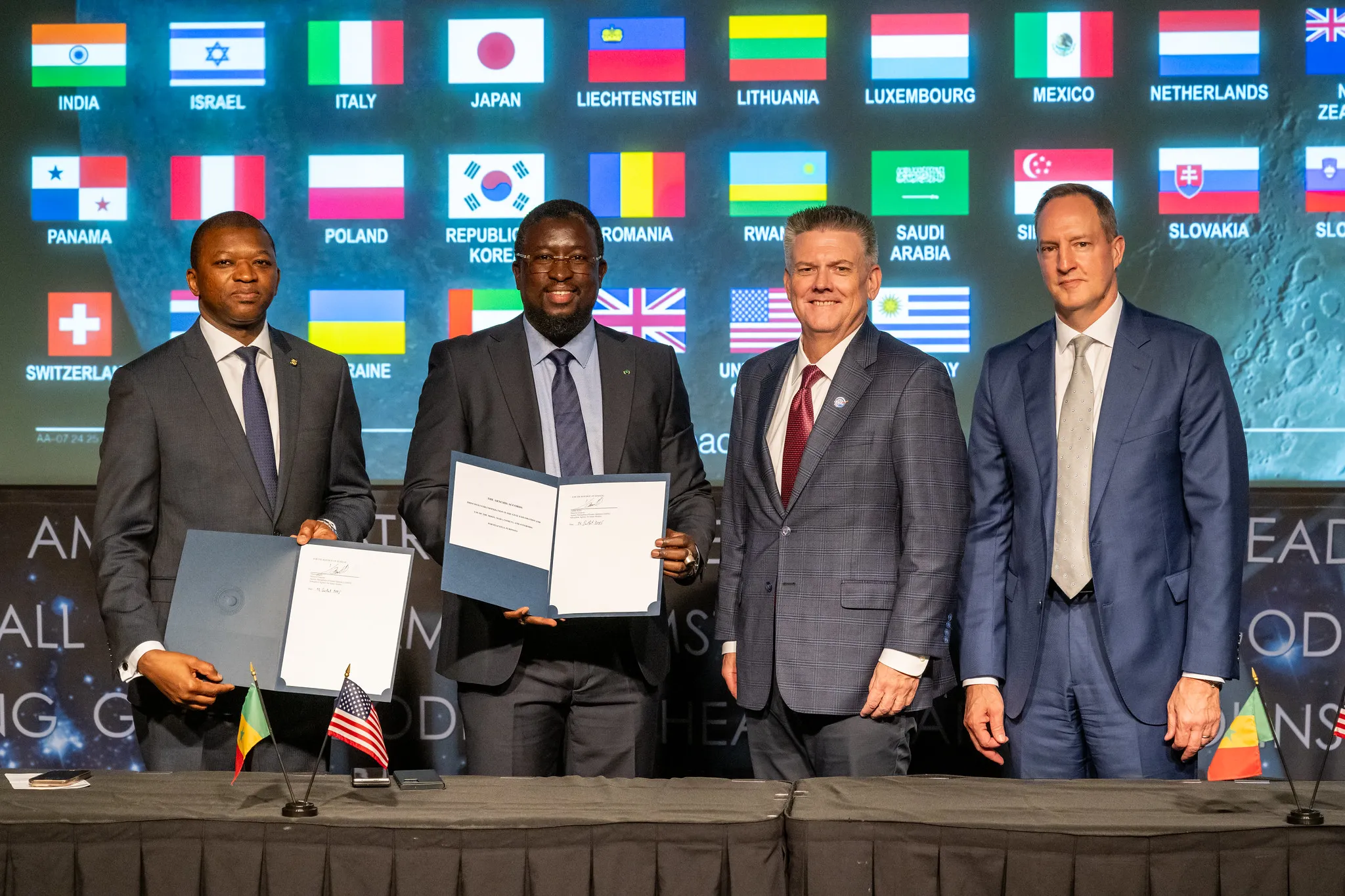
Senegal Joins NASA's Artemis Accords, Marking a Historic Space Partnership

Senegal has joined the NASA-led Artemis Accords, becoming the 56th member, marking a significant step in its space diplomacy and development, and aligning with international standards for peaceful space exploration. This move highlights Africa's increasing engagement in global space governance and Senegal's ambition to build its own space capabilities.

Artemis Accords Hit 50 Signatories with Panama and Austria Joining
space-exploration1 year ago

Artemis Accords Hit 50 Signatories with Panama and Austria Joining

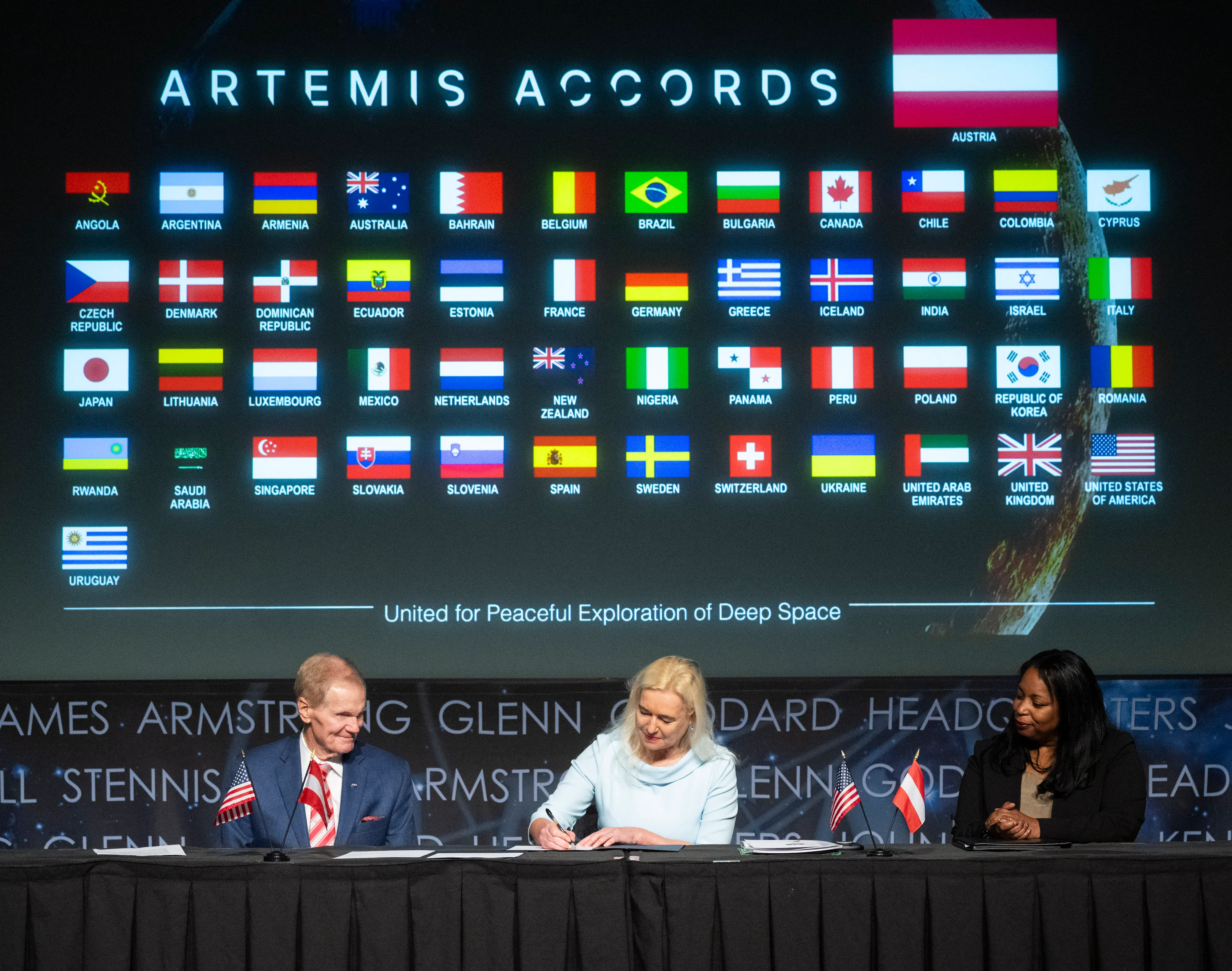
Panama and Austria have become the 49th and 50th signatories of the Artemis Accords, joining a global initiative led by NASA to promote responsible and sustainable space exploration. The accords, which began with eight countries in 2020, now include 50 nations committed to principles such as non-interference, interoperability, and the release of scientific data. This expansion highlights the growing international collaboration in space exploration, with a focus on peaceful and cooperative use of space resources.

"Sweden and Switzerland Join NASA's Artemis Accords for Moon Exploration"
space-exploration2 years ago

"Sweden and Switzerland Join NASA's Artemis Accords for Moon Exploration"

Sweden becomes the 38th country to sign NASA's Artemis Accords for peaceful and responsible moon exploration, strengthening its strategic space partnership with the U.S. and joining a global coalition committed to exploring space openly, transparently, responsibly, and in peace. The Accords, established in 2020, mirror principles set out in the 1967 Outer Space Treaty and will guide NASA's Artemis program, which aims to send astronauts back to the moon for the first time since 1972. NASA plans to return to the moon with its Artemis 2 mission in 2025 and aims to put a crew of four on the lunar surface with Artemis 3 in 2026.

"Switzerland Joins NASA in Artemis Accords for Moon Exploration"
space-exploration2 years ago

"Switzerland Joins NASA in Artemis Accords for Moon Exploration"

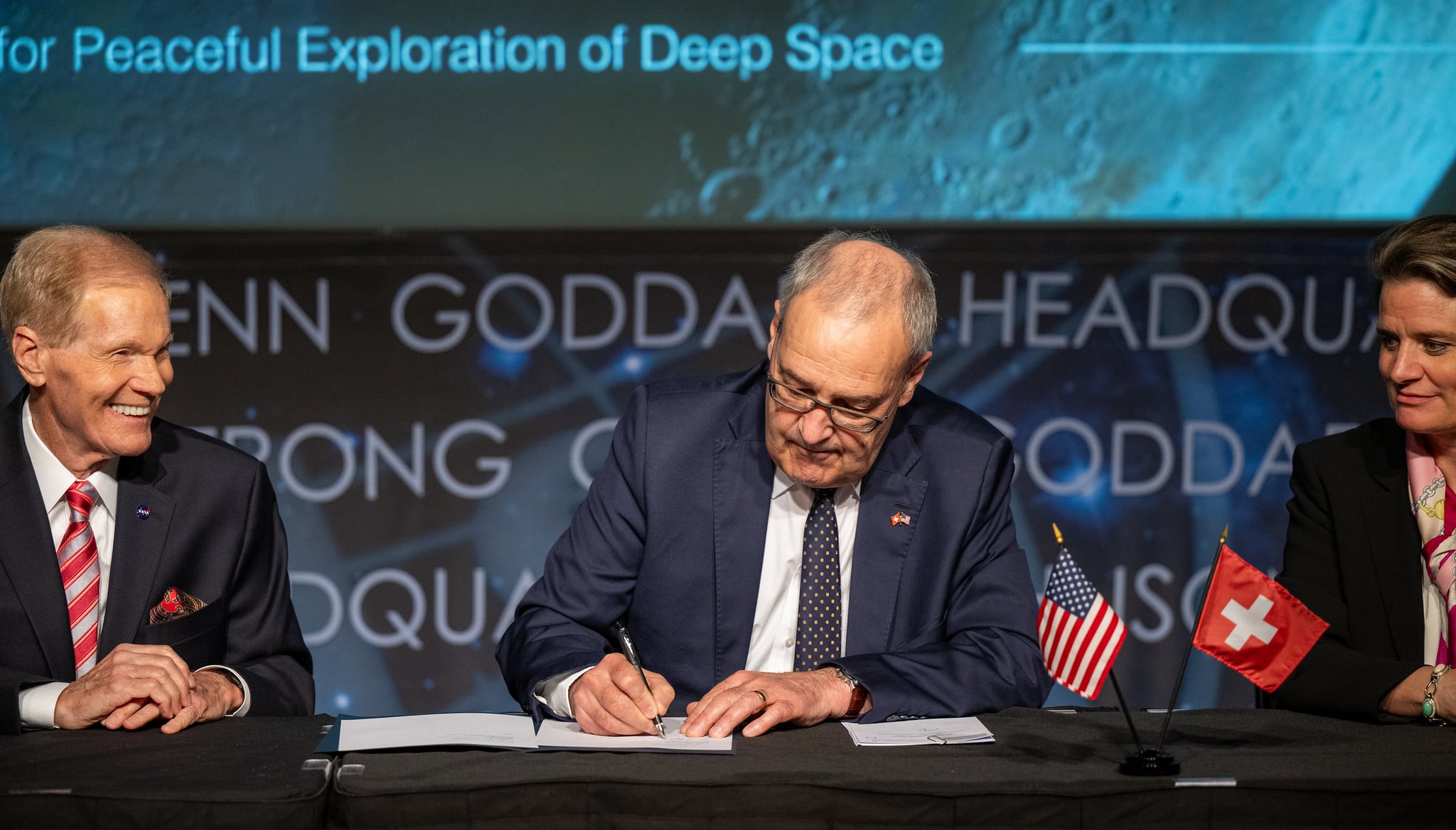
Switzerland has formally signed the Artemis Accords, joining an agreement about sustainable space exploration in a ceremony at NASA Headquarters. Swiss Federal Councillor Guy Parmelin signed the accords alongside NASA Administrator Bill Nelson, emphasizing Switzerland's commitment to space cooperation and its belief in creating an improved framework for the space community. Switzerland's famed neutrality makes its signing significant, and the country's interest in the accords aligns with its new space policy and work on its first national space act.

"Belgium Joins Artemis Accords"
space-exploration2 years ago

"Belgium Joins Artemis Accords"

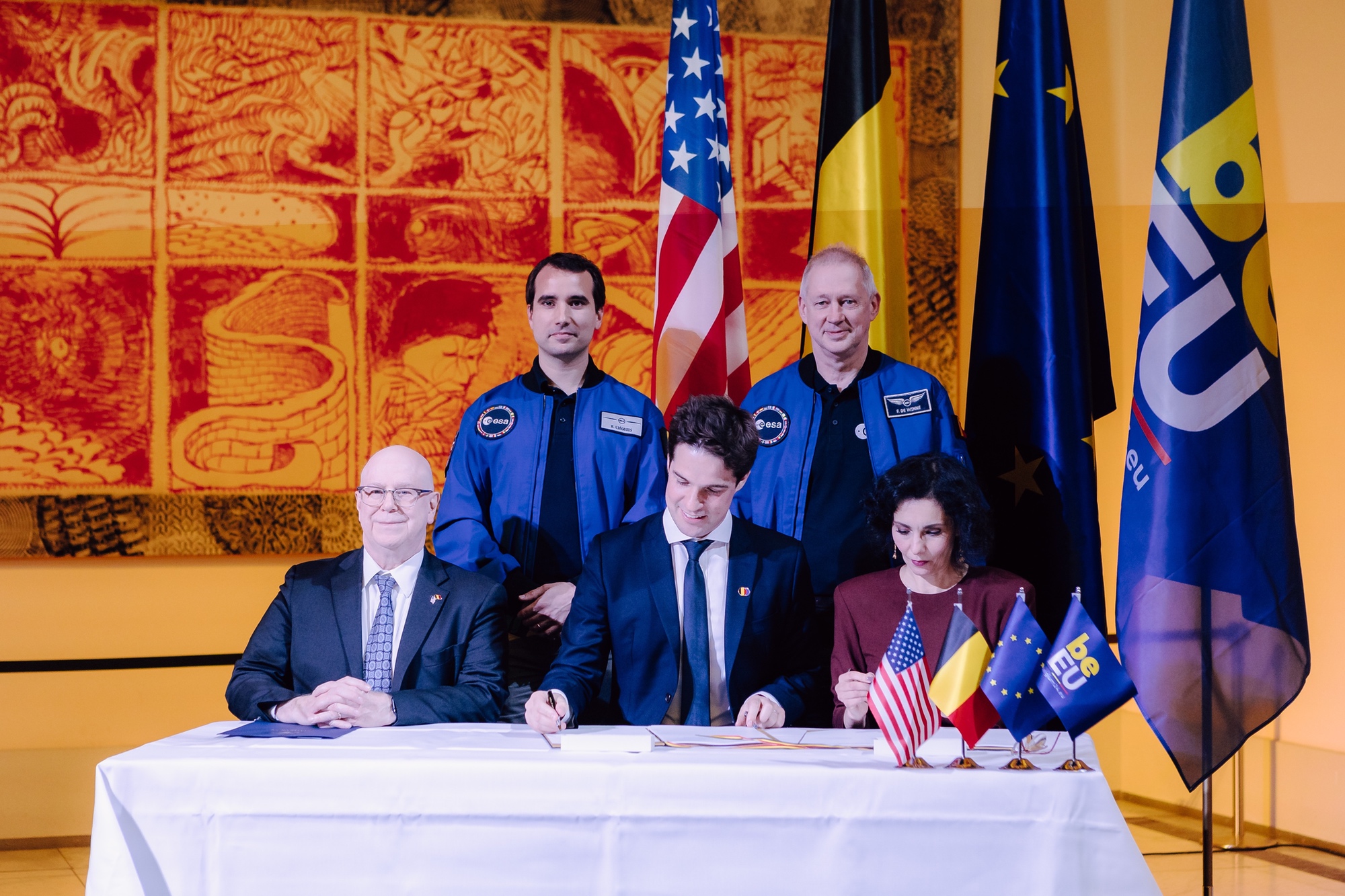
Belgium has become the 34th country and the first in 2024 to sign the Artemis Accords, a non-binding agreement outlining best practices for responsible behavior in space exploration. The signing reflects Belgium's commitment to sustainable and responsible space activities and will potentially allow a Belgian astronaut to participate in the Artemis program for human lunar exploration. This move strengthens Belgium's ties with international partners and opens up new economic opportunities for its space sector.

VP Harris Announces International Astronaut to Join Future NASA Moon Landing
space-exploration2 years ago

VP Harris Announces International Astronaut to Join Future NASA Moon Landing

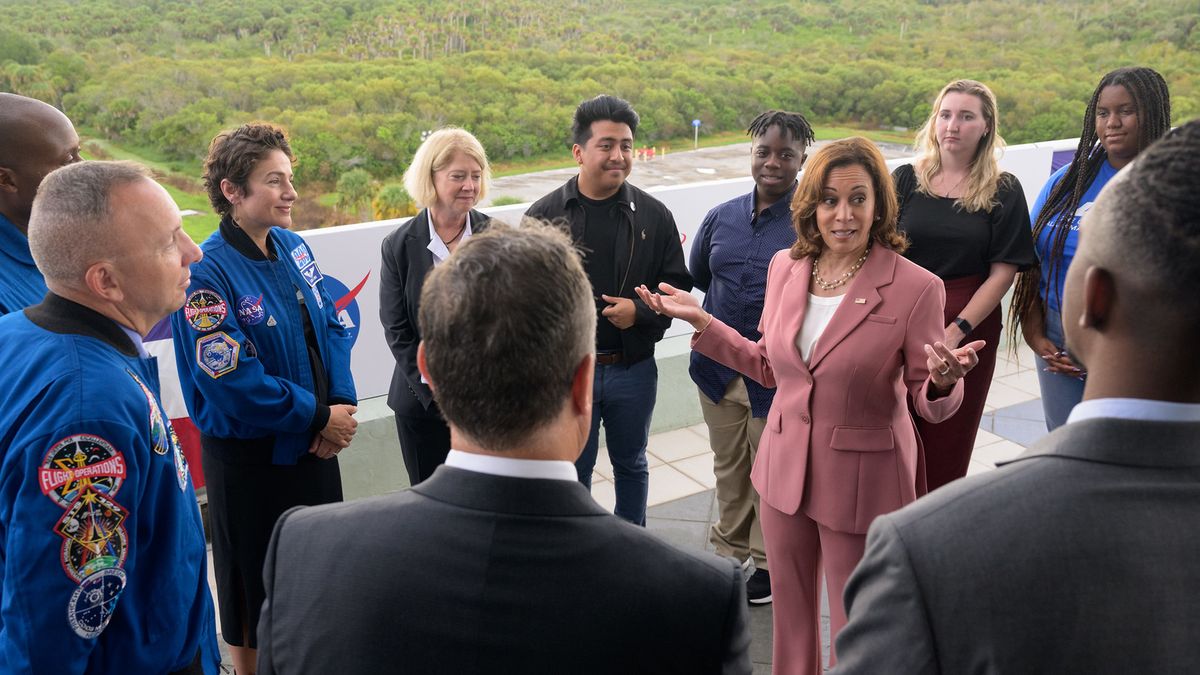
NASA and the White House have announced that an international astronaut will join U.S. astronauts on a future moon landing by the end of the decade. The specific country or astronaut has not been disclosed yet, but crews will be assigned closer to the missions. This move aligns with NASA's long-standing emphasis on global cooperation in space, as demonstrated by the Artemis Accords. The announcement was made during a meeting of the National Space Council, where Vice President Kamala Harris also addressed new policies to ensure the safe use of space.

"VP Harris Leads National Space Council Meeting, Announces International Collaboration for Future Moon Landing"
space2 years ago

"VP Harris Leads National Space Council Meeting, Announces International Collaboration for Future Moon Landing"

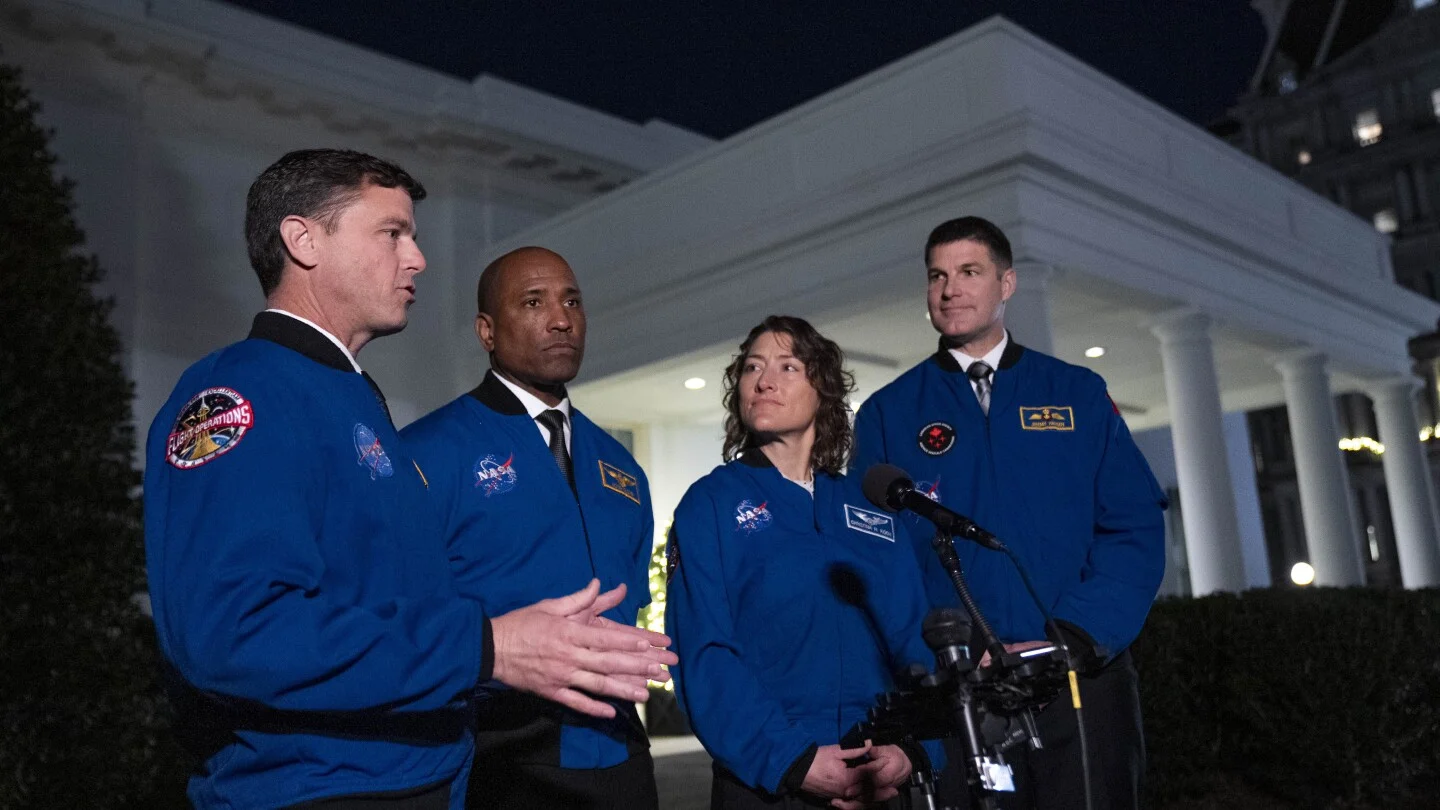
Vice President Kamala Harris will lead her third National Space Council (NSC) meeting, focusing on international partnerships. The meeting will include representatives from NASA and other federal government agencies. The Canadian Space Agency (CSA), a member of the NASA-led Artemis Accords, will be represented by CSA astronaut Jeremy Hansen. The NSC helps shape American space policy and is composed of high-ranking government officials. Harris previously highlighted space priorities such as studying climate change and addressing space debris.

"U.S.-India Collaboration: Sending an Indian to Space"
space-exploration2 years ago

"U.S.-India Collaboration: Sending an Indian to Space"

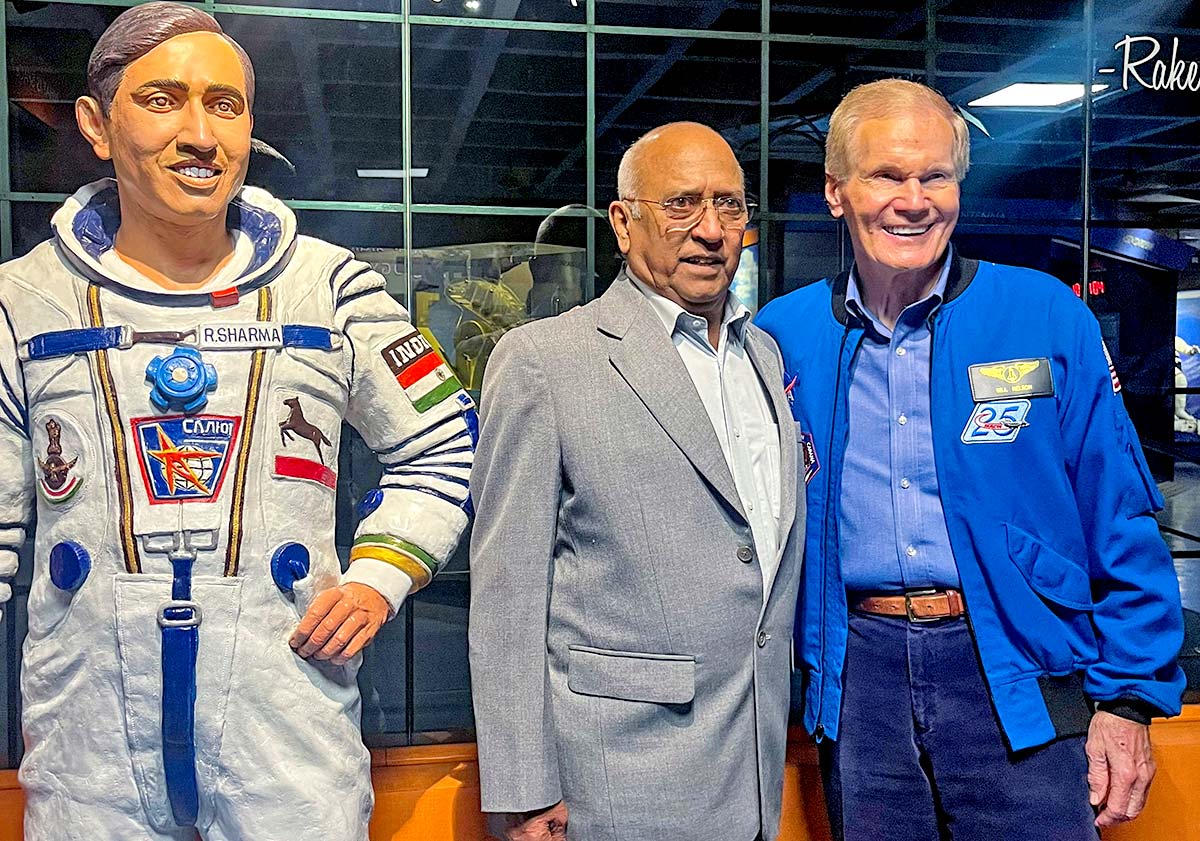
Mike Gold, the chief growth officer at Redwire and former associate administrator for space policy and partnership at NASA, praises India's progress in space and its leadership in policy, particularly in signing the Artemis Accords. He believes that India's capabilities and systems will bring significant advancements to the commercial space environment, benefiting humanity. Gold emphasizes the importance of establishing a permanent presence on the moon and developing the necessary technology to enable future missions to Mars. He also highlights the potential of space-based innovations, such as printing tissues and developing new drugs, to improve lives on Earth.