Tag

Space Law

All articles tagged with #space law

Moon rules in progress: Artemis Accords gain 70 signatories, governing without enforcement teeth
space-policy9 days ago

Moon rules in progress: Artemis Accords gain 70 signatories, governing without enforcement teeth

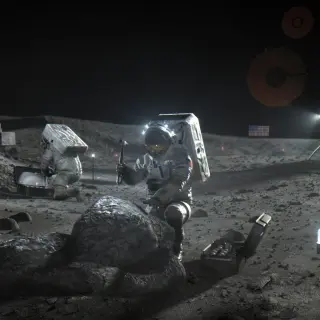
Seventy countries have joined the Artemis Accords to turn broad space-law principles into practical rules for lunar missions. The accords are non-binding and do not amend the 1967 Outer Space Treaty or create an enforcement body; instead, they rely on notification, coordination, and temporary safety zones, with enforcement through state responsibility and diplomacy. Resource rights remain debated, and the 70-signatory milestone signals momentum toward shared norms, though universal rules will depend on how signatories act when overlaps or conflicts occur.

Moon Impact Spurs Call for Global Lunar Governance
science1 month ago

Moon Impact Spurs Call for Global Lunar Governance

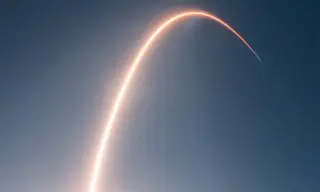
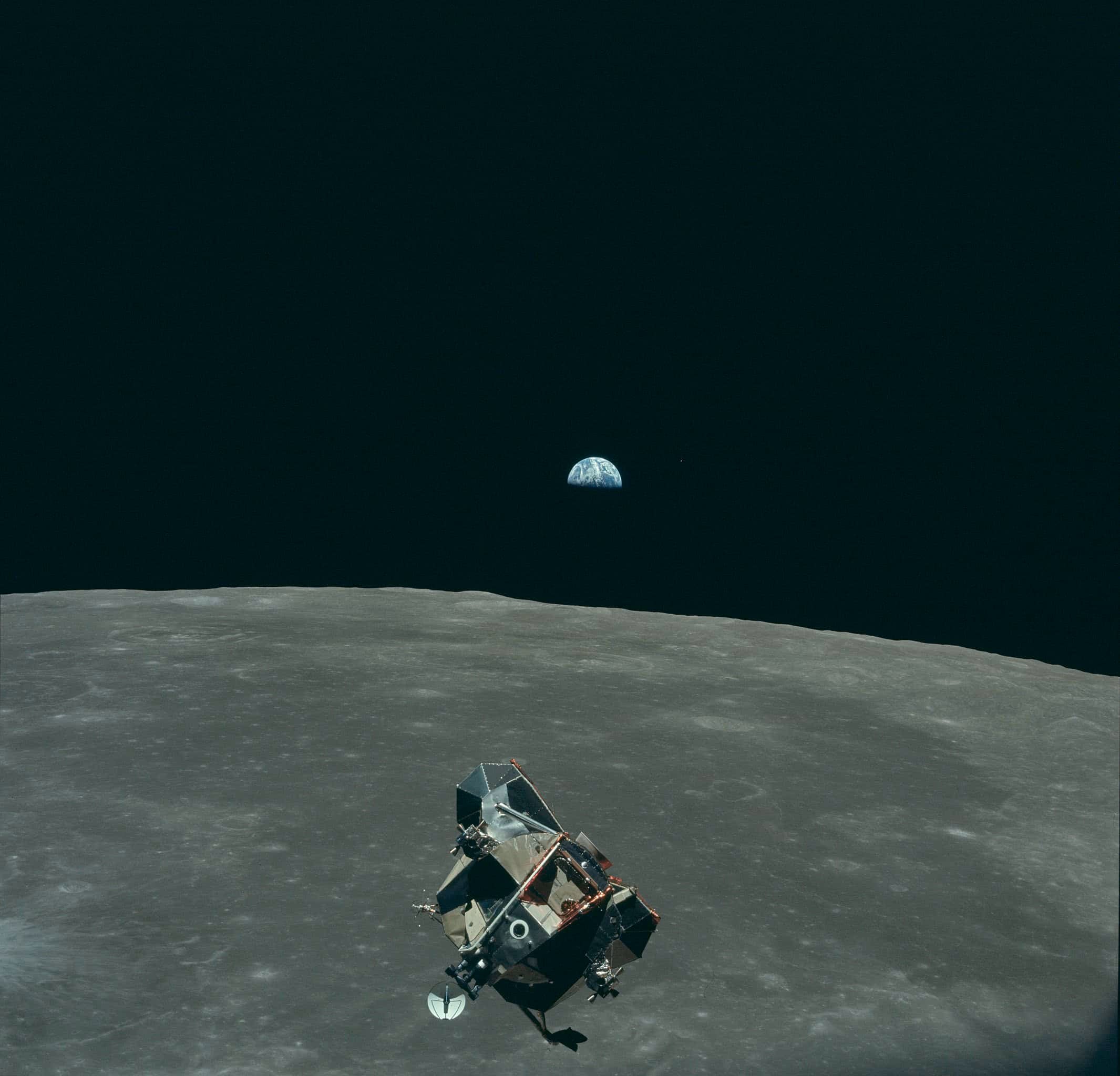
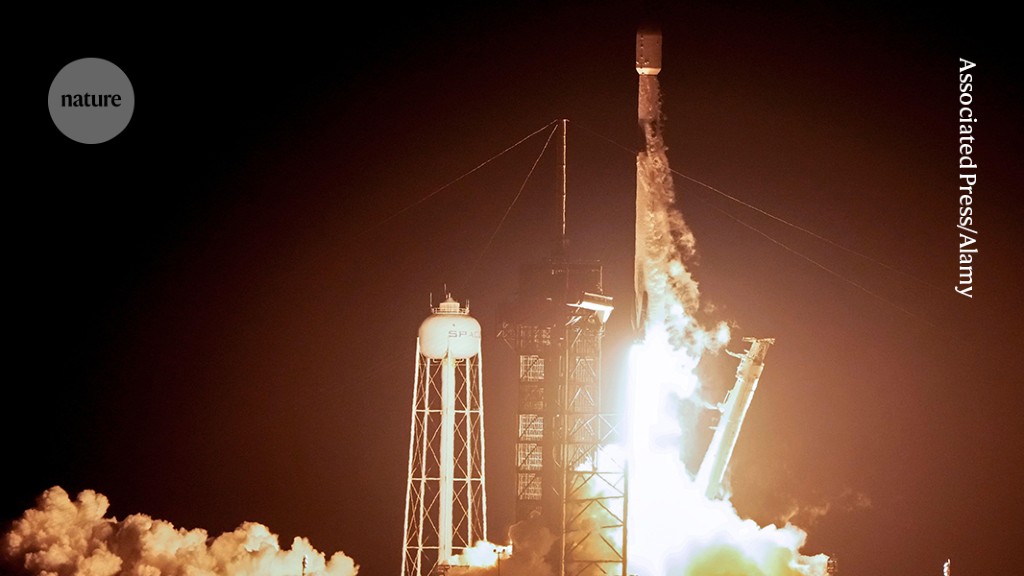
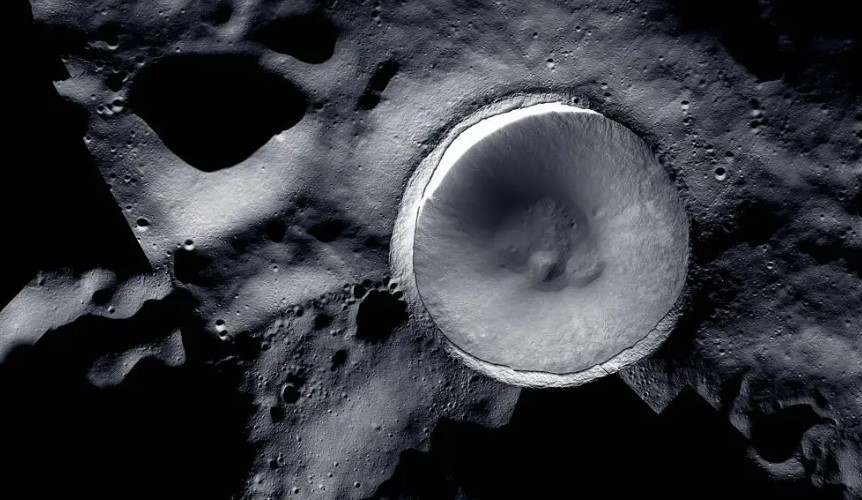
An abandoned SpaceX rocket is on a collision course with the Moon, likely hitting near Einstein Crater at about 8,700 km/h and creating a 20–30 meter crater plus a dust cloud high above the surface. While the impact poses no danger, it highlights the lack of practical governance for the lunar environment as governments, companies, and scientists race to establish a sustained presence. The event offers a rare scientific opportunity to study impact cratering and lunar dust, but raises questions about liability, cultural heritage, and how to coordinate activities. Proposals include a voluntary lunar registry, Notices to Lunar Operators, and a push for a fourth UN Conference on Outer Space to translate treaty rules into practice.

Moon collision exposes gaps in space governance as lunar activity surges
science1 month ago

Moon collision exposes gaps in space governance as lunar activity surges

An abandoned SpaceX rocket is set to crash into the Moon, presenting a rare opportunity for scientists to study crater formation and lunar dust, while simultaneously underscoring a regulatory gap as human activity on the Moon grows. The incident highlights that the 1967 Outer Space Treaty bans sovereignty but provides little guidance on governance, liability, or protecting heritage in a increasingly crowded lunar environment. UNOOSA and the UN Committee on the Peaceful Uses of Outer Space are weighing solutions—such as a voluntary lunar registry and Notices to Lunar Operators—but real progress will depend on diplomacy and stronger international coordination with industry. The key takeaway is that the Moon’s governance needs to move from principles to practical rules before future missions permanently alter its landscape.

Moon Deeds: Four Decades of Unenforceable Property Claims
space2 months ago

Moon Deeds: Four Decades of Unenforceable Property Claims

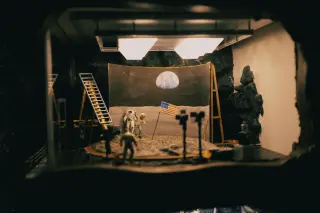
Dennis Hope began selling Lunar Embassy deeds in 1980, claiming ownership of the Moon and other celestial bodies for about $20–$30 per acre and reporting over 2.5 million parcels sold to a celebrity-filled clientele. However, international law, notably the 1967 Outer Space Treaty, bans national appropriation and, by consensus, private ownership of celestial bodies, rendering these deeds unenforceable. The 1979 Moon Agreement is not widely ratified and adds little to the legal picture. Buyers receive novelty certificates, drawn by psychology of ownership and storytelling rather than enforceable title. Hope’s business persists as a curiosity while real space rights trend toward resource extraction frameworks under national laws, not ownership of the bodies themselves.

SpaceX's Starlink Satellites at Risk from Solar Activity and Deorbit Challenges
science-and-technology1 year ago

SpaceX's Starlink Satellites at Risk from Solar Activity and Deorbit Challenges

The increasing number of satellites, especially Starlink's planned 42,000, raises concerns about space debris, environmental pollution from satellite reentry, and the risks of falling debris causing damage or casualties, highlighting the urgent need for better regulation and sustainable practices in space operations.

EU's New Space Commissioner Sets Strategic Priorities
space-policy1 year ago

EU's New Space Commissioner Sets Strategic Priorities

Andrius Kubilius, the new EU Commissioner for Defence and Space, aims to enhance European competitiveness and security in space by focusing on initiatives like passing a new space law, improving access to space, and supporting the space industry's global competitiveness. He emphasized the need for increased funding and European autonomous access to space, addressing challenges like the "launcher crisis." Kubilius also highlighted the importance of collaboration with ESA and the development of a unified EU space law to address regulatory fragmentation and promote sustainability.

"NASA Confirms Space Station Debris Hit Florida Home"
spacescience2 years ago

"NASA Confirms Space Station Debris Hit Florida Home"

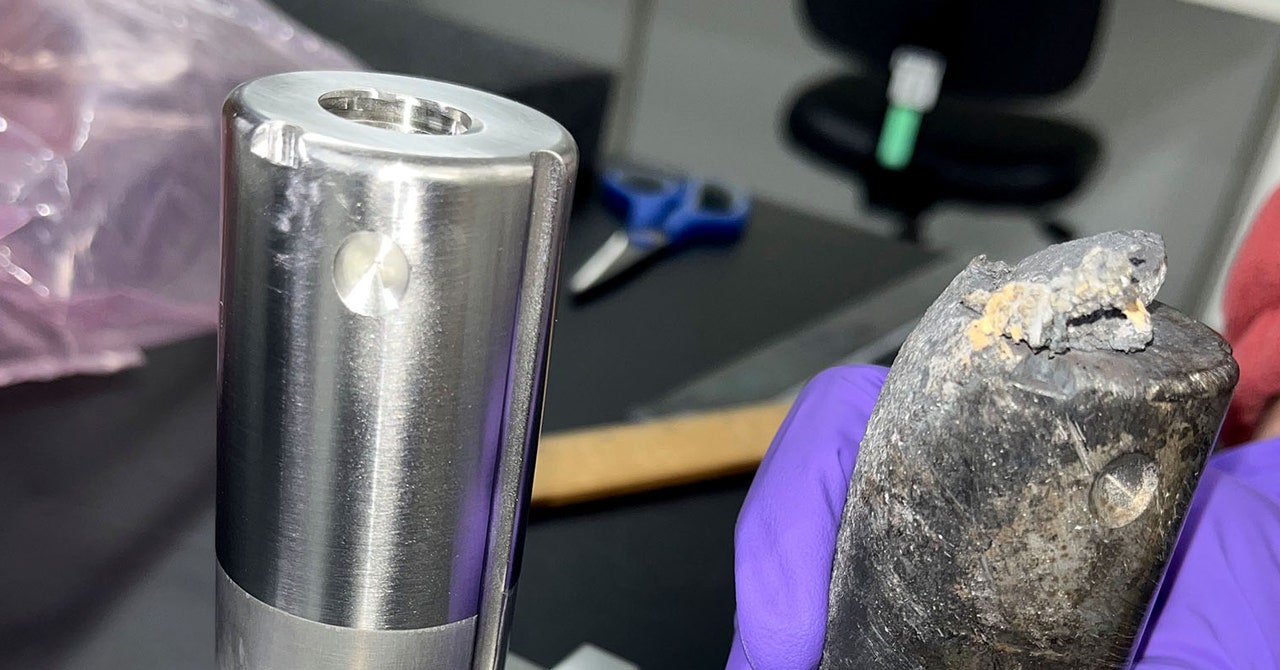
NASA has confirmed that the object that fell into a Florida home last month was part of a battery pack released from the International Space Station, sparking legal discussions about who should pay for the damages. The cylindrical piece of metal tore through the homeowner's roof, but luckily, no one was hurt. The homeowner, Alejandro Otero, had suspected the object came from space even before NASA's confirmation. NASA retrieved the object and confirmed its origin, and now legal codes and intergovernmental agreements are being navigated to address the situation.

"Securing Lunar Resources: Preventing an Ethical Nightmare in Outer Space"
space-exploration2 years ago

"Securing Lunar Resources: Preventing an Ethical Nightmare in Outer Space"

Philosopher A. C. Grayling's book "Who Owns the Moon?" warns of a potential lunar 'gold rush' driven by human greed and national rivalries as space exploration and commercialization intensify, calling for urgent re-examination of space laws and governance. With private firms like SpaceX exerting substantial influence, the existing international agreements are deemed inadequate, leading to fragmented space law and potential conflicts. Grayling emphasizes the need for a global dialogue and a comprehensive governance structure to ensure inclusivity, justice, and the common interest in outer space, as the space industry is projected to grow to over one trillion dollars in the next two decades.

"China's Stance on Space Resource Utilization"
space-law2 years ago

"China's Stance on Space Resource Utilization"

China has submitted a document to the United Nations expressing its support for the use of space resources in accordance with the Outer Space Treaty of 1967. The submission emphasizes the need for adherence to existing international space law frameworks and the promotion of cooperation, sustainability, and scientific investigations. This development is seen as a positive step in shaping the legal governance of space resources and comes ahead of important meetings on the matter.

"Legal and Ethical Implications of Sending Human Ashes and Drink Container to the Moon"
space-exploration2 years ago

"Legal and Ethical Implications of Sending Human Ashes and Drink Container to the Moon"

Plans to use the moon for unconventional purposes, such as storing human ashes and advertising, have raised legal and ethical concerns as private companies and emerging space powers gear up to explore the lunar surface. With no U.S. laws or standards outlining what is acceptable on the moon, the absence of regulations could lead to international disputes and conflicts with the 1967 Outer Space Treaty. As NASA leans on private companies to cut costs for moon missions, the lack of guidelines for moon activities has sparked debates over appropriate use and potential land appropriation.

"Legal and Ethical Debate: Sending Human Ashes and Drink Containers to the Moon"
space-exploration2 years ago

"Legal and Ethical Debate: Sending Human Ashes and Drink Containers to the Moon"

Plans to use the moon for unconventional purposes, such as sending human ashes and sports-drink containers, have raised legal and ethical concerns as private companies and emerging space powers gear up to explore the lunar surface. With no clear regulations in place, the absence of oversight could lead to international disputes and conflicts with the 1967 Outer Space Treaty. As NASA increasingly relies on private companies for lunar missions, the need for guidelines on acceptable activities on the moon becomes more pressing, with experts calling for international discussions on moon behavior.

"Legal Battle Erupts Over Human Ashes and Sports Drink Containers Found on Moon"
space-exploration2 years ago

"Legal Battle Erupts Over Human Ashes and Sports Drink Containers Found on Moon"

As NASA aims to make the moon more accessible, a surge in unconventional plans to exploit it has sparked a legal debate over its proper use, with concerns about potential gaps in US oversight and the absence of regulations for lunar activities. Private initiatives include sending human ashes and sports drink containers to the moon, raising questions about contamination and litter. The lack of guidelines has led to discussions about potential conflicts with international law and the widely ratified 1967 Outer Space Treaty, prompting calls for urgent international discussions on moon behavior.