
SpaceX Crosses 11,000 Active Starlink Satellites with Latest Launch
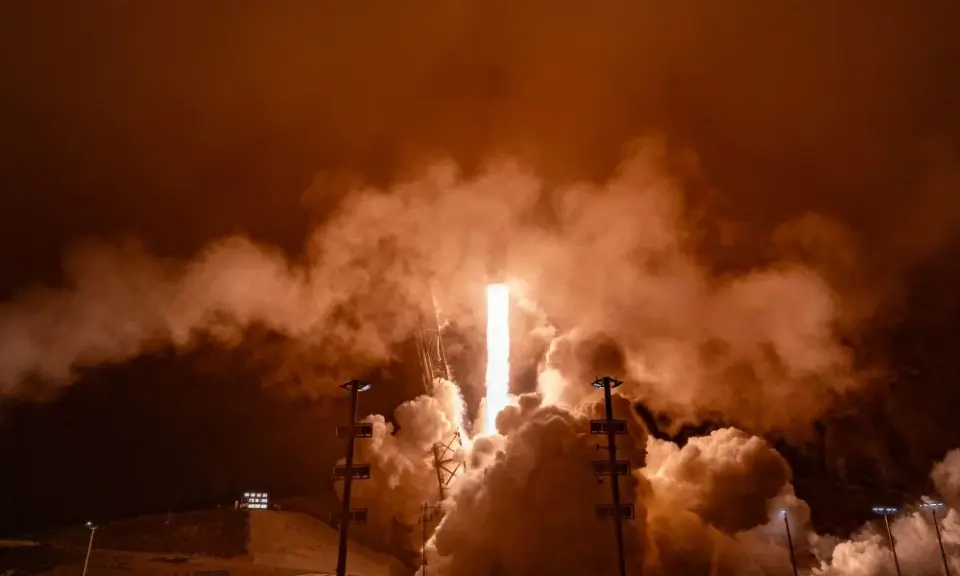
SpaceX has reached a significant operational milestone by deploying its 11,000th active Starlink satellite into low Earth orbit. This achievement occurred during the Starlink Group 17-50 mission, which launched on August 19, 2026, from Vandenberg Space Force Base in California. The Falcon 9 rocket carried 24 V2 Mini satellites, successfully deploying them approximately one hour after liftoff. The first stage booster, B1097, completed its 12th flight and landed on the droneship Of Course I Still Love You. This launch brings the total number of active satellites in orbit to just over 11,000, marking a key point in the constellation's expansion since its inception in 2018. The network now serves millions of users across more than 160 countries, supporting residential, maritime, and emergency services. SpaceX continues to expand the constellation to improve global broadband coverage, with future plans focusing on next-generation V3 satellites that require the Starship vehicle for deployment.
Key points
- SpaceX launched its 11,000th active Starlink satellite on August 19, 2026, from Vandenberg Space Force Base.
- The Falcon 9 rocket deployed 24 V2 Mini satellites into low Earth orbit during the Starlink Group 17-50 mission.
- Booster B1097 completed its 12th flight and landed on the droneship Of Course I Still Love You in the Pacific Ocean.
- The Starlink constellation now has just over 11,000 active satellites in orbit, serving users in over 160 countries.
- SpaceX plans to expand the network with next-generation V3 satellites, which require the Starship vehicle for launch.
Background
The Starlink program began with test satellites in February 2018 and its first operational batch in May 2019. By mid-2026, SpaceX had launched over 12,000 total satellites across all versions, with continuous replacements for units that deorbit as designed to manage space debris. In July 2026, SpaceX submitted an application to the FCC for a Gen3 constellation of up to 100,000 satellites, aiming to deliver multi-gigabit broadband to consumers, enterprises, and AI-powered devices. This expansion reflects SpaceX's commitment to providing ubiquitous high-speed connectivity from space.
How outlets are covering it
Teslarati and Spaceflight Now both confirm the launch of 24 Starlink satellites on August 19, 2026, from Vandenberg Space Force Base, bringing the total active satellites to just over 11,000. Teslarati emphasizes the milestone as part of a broader expansion since 2018, while Spaceflight Now provides technical details on the booster's 12th flight and landing. Yahoo and Space.com do not provide specific details on the launch but cover related SpaceX activities, such as Starlink Mobile and Cybercab rides. The sources agree on the launch date and satellite count but differ in emphasis, with Teslarati focusing on the milestone's significance and Spaceflight Now on technical specifics.
Why it matters
The 11,000th active Starlink satellite marks a critical step in SpaceX's goal to provide global broadband coverage. The expansion of the constellation enhances capacity and speed, supporting millions of users across 160 countries. Future plans for V3 satellites and the Gen3 constellation indicate a shift toward higher throughput and broader applications, including AI-powered devices. This milestone underscores SpaceX's role in shaping the future of satellite-based internet services and its potential to handle a majority of global internet traffic.
What to watch
SpaceX will continue to expand the Starlink constellation, focusing on next-generation V3 satellites that require the Starship vehicle for deployment. The company has submitted an application to the FCC for a Gen3 constellation of up to 100,000 satellites, aiming to deliver multi-gigabit broadband to consumers, enterprises, and AI-powered devices. Approval and deployment will depend on regulatory review and the operational readiness of Starship for high-volume launches. SpaceX also plans to integrate Starlink Mobile services and expand its Robotaxi fleet, with Cybercab rides launching in August 2026.
- SpaceX achieves incredible milestone with Starlink program Teslarati
- SpaceX exceeds 11,000 satellites in low Earth orbit Spaceflight Now
- SpaceX rocket launch today from Cape Canaveral: Everything to know Yahoo
- SpaceX launches its 100th mission of the year, sends Starlink satellites to orbit (video) Space
- SpaceX targets launch of Starlink satellites from Florida WKMG
Want the full story? Read the original reporting
Read on Teslarati